- Thank you!
- Nice to meet you.
- Hello
- I love you! (version)
- GOOD-MORNING (compound-version)
- Happy (one-handed version)
- Help you
- Yes
- My name is Bill. What's your name?
- See you later
- 2:19 am
- 8:30 am
- 2:37 pm
- 100%
- $6.97
- $10.00
- 30
- 31
- 32
- 33
- 33
- 34
- 35
- 36
- 37
- 38
- 39
- 40
- 44
- 50
- 55
- 60
- 66
- 67
- 68
- 69
- 76
- 78
- 79
- 86
- 87
- 89
- 96
- 97
- 98
- 100
- $119.02
- 1,700
- 1995
- 1996
- 1997
- 1998
- 1999
- 2001
- 2002
- 2003
- 2004
- 2005
- 2006
- 2007
- 2008
- 2009
- 2010
- 2011
- 2012
- 2013
- 2014
- 2015
- 2016
- 2017
- 2018
- 2019
- 2020
- 2340
- 2,804
- 3,611
- 3,611
- 4,912
- 4,912
- 10,000
- 19,722
- 9-1-1
- 192743
- 7,568,625
- 8,679,723
- 9,786,921
- 9,876,541.21
- 9,876,543.21
- "Honey, I shrunk the audience."-[version]
- "Honey, I shrunk the audience."-[version-3]
- #BACK, WE-TWO LIVE HIS/HER PARENTS BASEMENT, TEMPORARY.
- #BACK-[fingerspelled-version]
- #BURN-[lexicalized-fingerspelling]
- #FEB
- #MARCH
- #MAY
- #WHAT?!?-[lexicalized-fingerspelling]
- #what-DO?/DO-DO-[lexicalized-fingerspelling]
- #what-DO?/DO-DO-[lexicalized-fingerspelling]-[side-view]
- #WOW!-[lexicalized-fingerspelling]
- $120 minus 98 cents equal how much
- $120 MINUS 98 CENTS EQUAL HOW-MUCH? *[$119.02]
- (2h)ACROSS-FROM-[index-version]-THERE-[index]
- (435)-901-2034
- (916)-555-4357
- (patrol) Car follow car / DCL: (2h)-3-[vehicle-follow-vehicle]
- [CH]-[mouth-morpheme/nmm]-[facial-expression]
- [DOUBLE-BRAIN]-scholar-genius
- [hear something unexpectedly/transition sign]
- [list of three, third in the list]
- [MIND-CORRUPTED/mind-bent]
- [MM]-[mouth-morpheme/nmm]-[facial-expression]
- [OO]-[mouth-morpheme/nmm]-[facial-expression]
- [read-the-whole-book] (versions)
- [sweep]-INDEX, YOU LIKE WHICH?
- [The] HE-(point off to your side) BOY LIKE[s] HOT-DOG[s].
- [The] SHE-(point) GIRL WANT[s] [to] FOOD [eat].
- [The] THOSE-2 BOY [and] GIRL FUTURE [will] MARRIAGE [get married].
- [to put in a container, i.e., box]
- [TRAIN]-GONE-SORRY-[advanced version]-[idiomatic]
- [very]-INTERESTING
- "NO" MEAN WHAT?
- 0202 run takeoff mp4
- 0205 off version mp4
- 0212 point versionw mp4
- 0240 right mp4
- 0241 study mp4
- 0242 book mp4
- 0246 business mp4
- 0246 through mp4
- 0247 business version 1 mp4
- ¼ (one-fourth)
- ½ (one-half)
- 1 cent
- 1/4 tsp salt divide by 2 equal what
- 1/4 TSP SALT DIVIDE-by TWO EQUAL WHAT?
- 1/8th tsp salt
- 10 cents
- 10 dollars
- 10 dollars / 10 dollars
- 10 MONTHS
- 100 Basic Signs American Sign Language
- 100 PERCENT
- 100 PERCENT JAPANESE
- 106-degrees
- 11 days
- 11. CL: flat-O-[to put on a shelf starting down and moving up]
- 11-MONTH-OLD (11-months-old)
- 12 cents
- 12 days
- 13 months
- 14 hours
- 14 seconds
- 15 cents /15-cents
- 15th century
- 16 inches
- 1-6-[one-through-six]-dash
- 16-17-18-19-[version-1] numbers / teens
- 16-17-18-19-[version-2] numbers / teens
- 16-17-18-19-[version-3] numbers / teens
- 18 cents /18-cents
- 1864-[the-year]
- 187 pounds
- 1920's
- 1930's
- 1970's
- 1985-year
- 1999 (The-year-1999)
- 1999-[palm-down-version]
- 1-DAY
- 1-o'clock-[slight-wiggle-version]
- 1st
- 1st, 2nd, 3rd, …
- 1st, 2nd, 3rd, 4th, 5th,6th, 7th, 8th, 9th
- 1-WEEK HAVE how-MANY DAY? (one week has how many days)
- 2 be I there mp4
- 2 days ago
- 2 week future saturday you busy
- 2 week future saturday you busy
- 2 weeks from now
- 20 cents / 20-cents
- 20 cents / 20-cents-[version]
- 2010-[version-2]
- 2011 year
- 2011-[version-2]
- 2013-[version-2]
- 2018-[20-18-version]
- 2019-[20-19-version]
- 2020-[20-20-version]
- 2020-[v0v0-version]
- 2020-[VoVo-version]
- 2021-[20-21-version]
- 2021-[Vo-21-version]
- 2021-[Vo-V1-version]
- 2164 04 MAINSTREAMED 15 version
- 2170: 10. coalition-[ALLY-circle-of]
- 21st century
- 24th
- 25 cents
- 25 cents / 25-cents
- 25 cents / 25-cents-[version]
- 25 cents subtract 13 cents equal what?
- 25-[version]
- 258-[very-interesting]-[pun]
- 258-[very-interesting]-[pun]-[version-2]
- 27 feet high
- 27 lbs
- 2nd
- 2-o'clock
- 2-o'clock-[slight-wiggle-version]
- 2-POINTS
- 2-times-[wrist-version]
- 2-WEEK-FUTURE SATURDAY YOU BUSY-(lexicalized)?
- 2-YEARS
- 2-YEARS-[numerical-incorporation]
- 3 days ago
- 3 dollars / 3-dollars
- 3 dollars / 3-dollars-[version]
- 3 hours
- 3 -months- past
- 3 o clock
- 3 o clock version
- 3 times wrist version
- 3 weeks palm back thumb up version
- 3 X 1/2 pound banana equal how many
- 3 years ago
- 300 miles
- 3500 calaries equals how many pounds of fat?
- 37 dollars
- 3am
- 3D
- 3D
- 3D-PRINT-[3D printer]
- 3-months-[incorporated]
- 3-months-ago
- 3-points
- 3rd
- 3rd week of the month
- 3-WEEKS-AGO
- 4 days
- 401K-matching-funds-[C-handshapes-version]
- 4-MONTH OLD (4 months old)
- 4th
- 4TH
- 4th of July
- 4th-GRADE
- 4-times-[wrist-version]
- 5 cents
- 5 dollars
- 5 foot 7 inches
- 5 Stars / 5-STAR
- 50th --year-anniversary-[50th-YEAR-CELEBRATION]
- 5-DOLLAR YOU-MIND you-LOAN-me?
- 5-DOLLAR-[version-1]
- 5-DOLLAR-[version-2]
- 5th
- 6 hours
- 6 weeks
- 63 cents
- 6th
- 7 cents
- 7 minutes
- 7 to need to mp4
- 7 toforgot to mp4
- 7 years old
- 7/8 (seven-eighths)
- 7-11 SMALL STORE OPEN LATE-NIGHT / Seven-Eleven convenience store
- 7-HOUR
- 7-months from-now
- 7-months-[incorporated]
- 7th
- 7-YEAR PAST I GRADUATE HS.
- 8 cents subtract 7 cents equal how many
- 8 have mp4
- 86 feet high
- 8-months
- 8th
- 9 to mp4
- 9 weeks
- 9th
- a
- A baseball bat costs how much? / BASEBALL BAT COST HOW-MUCH-[1h-version]
- a glancing blow / whacked
- a line of people
- a lot
- a POLE
- a row of people [standing facing me]
- a row of people [standing]
- a very-long line of people
- a very-long line of people snaking off into the distance
- A-[shaken] / arthritis / athlete / ace
- AA-[alcohol abuse / African American / American Airlines / …]
- A-A-A CAR INSURANCE / Triple-A Car Insurance
- ABANDON/leave-behind/left
- abbreviate
- A-B-C ALCOHOL STORE
- ABC's
- ability can
- abortion [ABORTION]
- About (connected-to)
- ABOUT-[flat-O-version]
- ABOUT-[H-hand-version]
- ABOUT-[index-fingers-version]
- ABOUT-[index-fingers-version]
- above more than
- above superior
- ABOVE-[preposition]
- absolutely / TRUE BUSINESS-TRUE WORK [idiomatic] / indeed / authentic / genuine
- absolutely-sure
- a-building-[version]
- abuse beat up
- abuse take advantage of
- AC BLOWS-from-vents COLD!
- academic/school
- ACCENT
- ACCENT-[manual-language-version]
- ACCEPT
- ACCESS-[enter+]
- access-[ENTER-ENTER] / accessible
- access-enter enter
- access-enter go into
- accessible-[ENTER-CAN]
- accident crash
- accident crash you?
- accident, wrong (version), oops
- accident, wrong happen
- accident/crash
- accident/wrong happen
- accident/wrong/oops
- ACCIDENT-[crash] DIE-[one-handed]
- accommodation / accommodations [MATCH-to version]
- according
- accordingly / correspond to / analogous to / liken to / analogy
- ACCOUNT
- ACCRETION/the building of/to grow/additional layers or matter/to rise up
- accuse / BLAME / its his/her/their fault / charge with / indict
- ACCUSTOMED-to-[used-to/habit/traditionally/ingrained]
- accustomed-to-[version-of-HABIT/used-to/acclimate]
- A-C-E H-A-R-D-W-A-R-E / ACE Hardware store
- Ace Hardware fs A C E + H W
- ace spell it a wiggle mp4
- achieve-accomplish
- achievement [ACHIEVE/accomplish]
- acquire [GET/obtain]
- acquisition / acquire / PICK-UP-[2-hand-forward-version]
- across
- ACROSS [perpendicular hand]/over/after
- ACROSS-FROM
- ACROSS-FROM
- ACROSS-FROM-here / directly across from this place
- act DRAMA
- act/drama/play
- action
- action version
- ACTIVE-[do-version]
- ACTIVE-[do-version]
- ACTIVIST
- activity
- ACTOR
- A-C-T-O-R-(fs) what-SIGN?
- actor/actress
- ad flyer square
- ADA accommodations
- A-D-A-M'S FUNERAL / Adam's funeral parlor
- addition-[ADD-to]
- additional-financial-amount-rise-higher-via-many-incremental-increases
- ADDRESS
- ADD-to / additional
- adjust-[micro-CHANGES]
- ADJUSTMENTS / adjust
- ADMIN
- administration-[ADM-version]
- ADMIT-[confess]
- ADOBE/STUCCO [TOOTH, CEMENT, GLASS] + CL: A -- smear stucco to wall
- ADOPT-[take-up/evaporate]
- ADOPT-the-persona-[C-and-index-finger]
- adult a hand initialized version
- adult tall
- ADULT/tall
- ADULT-[initialized-version]-[not-recommended]
- ADULTERY / cheat on spouse / commit adultery
- ADULTS-[two-hand-alternating-version-plural-meaning]
- ADULTS-CLUSTER-[adults-in-general]
- ADVANCED
- ADVANCED-[promoted/raised-higher]
- advertise advertisement ad flyer publicize
- advice/double movement
- advise
- ADVISE-[affect, influence]
- ADVISE-me
- a-few-days-later-[transition] (a few days later)
- affair
- AFFAIR-[version]
- affect feel
- affect impact
- affect impact
- AFFILIATE [C / X version]
- affordable-healthcare-[CAN-AFFORD-HEALTH-C-A-R-E]
- AFRAID/ SCARY
- AFRICA
- Africa
- AFRICA [replaced older face based sign]
- AFRICA [replaced older face-based sign]
- AFRICA [replaced-older-face-based-sign]
- AFRICA-[old-version]-[not-recommended]
- African American [initialized version]
- AFRICAN-[initialized-version/not-recommended]-AMERICAN
- AFRICAN-AMERICAN [version]
- after
- after finish
- AFTER-[from-then-on]-post-afterwards
- afternoon
- AFTERNOON, WORK YOU?
- AFTERNOON, YOU WORK YOU?
- AFTERNOON-all-[all-AFTERNOON]
- AFTERNOON-every-[every-AFTERNOON]
- again
- AGAIN, NAME YOU?
- AGAIN, YOU what-NAME?
- AGAIN/repeat
- AGAIN-[repeat/return]
- AGAINST-[opposed/anti/con]
- AGE-[pun-version-uses-middle-finger-instead-of-G]-[do-not-use-in-formal-settings]
- AGENDA-[initialized-version]
- agenda-[SECRET-GOAL]-[underlying-intentions-or-motives]
- agenda-LIST
- AGENT-CARTER
- AGGRESSIVE
- AGITATED / emotionally disturbed / ornery / bad-tempered / disturbed
- A-GRADE-[academic]
- AGREE
- AGREE / agreement / concur / think same / reach a deal (an agreement)
- Agree repeatedly
- AGREE-[THINK-SAME]
- AHEAD
- AH-OH-I-SEE-[ah/uh-huh]
- ah-pshaw-I/ME-just-kidding
- aid bandage/bandage strip
- aid-[HELP]
- aid-[HELP]
- aide / assistant
- aide-[ASSISTANT]
- aids [A-I-D-S]
- aids [a-l hands]
- air conditioner / ac / fs-AC / (ASL)
- air-[A-I-R-fingerspelled]
- AIR-CONDITIONING (A-C)
- air-freshener / aerosol spray / CL: X-[spray] SMELL
- AIR-FRESHENER-spray
- airline-[AIRPLANE-CO-BRAND-label]
- AIRLINE-[modified-FLY-AROUND-version]
- AIRPLANE BEFORE YOU?
- AIRPORT, HOW FAR?
- airport/airplane
- airport/airplane
- ALABAMA-[ALA]
- ALABAMA-[joke-version]-[not-recommended]
- ALARM-[loud-RINGING]
- ALASKA
- ALASKA-[advanced/casual version]
- album-[PHONOGRAPH/record]
- album-[PICTURE+BOOK]
- Alchol Drink shot version
- alcohol
- alcohol has how many calories per gram?
- alert-[ALARM/bell-ringing]
- alert-[look-out-for/be-alert/keep-your-eyes-open]
- A-L-E-X PREFER GIRL HAIR BLACK, hair-LONG, NOT SHORT.
- Alexandria Ocasio-Cortez [AOC]
- ALGEBRA
- ALGEBRA, CAN YOU EXPLAIN ME?
- A-L-I-C-E AND HER FRIEND RIDE SUBWAY 1 HOUR SCHOOL.
- alien-[being_from_another_world]
- alien-[FOREIGN]
- alignment-[WHEEL-ALIGNMENT]
- alike-[SAME]
- alike-[SAME-index-fingers-version]
- ALL
- ALL [lexicalized-palm-forward-version]
- ALL [lexicalized-two-handed-version]
- A-L-L HOW SIGN?
- A-L-L how-SIGN?
- ALL MY STUDENTS ANGRY, WHY?
- all total
- ALL TRUCK MUST STOP IT WEIGH (All trucks must stop at the scales.)
- ALL-[lexicalized]
- ALL-[whole]-[entire]
- all-AFTERNOON
- ALL-AFTERNOON
- ALL-AROUND-[pointing-version] / all-over-[index-version]
- ALL-DAY
- allegation-[BLAME-me]
- ALLERGIC
- allergic any you?
- alleviate-[CALM-DOWN+NMM]
- alleviate-[LESS+NMM]
- all-gone-[DEPLETED/ran-out/run-out-of/used-up]
- ALLIANCE / ally
- alliance-[ALLY-relationship/allied/in-partnership-with]
- ALLIGATOR
- ALL-MORNING
- all-MORNING-[with-mouth-morpheme]
- all-MORNING-I/ME-FRUSTRATE!
- ALL-NIGHT
- ALLOCATE
- ALLOCATE-[version-1]
- ALLOCATE-[version-2]
- ALLOCATE-[version-3]
- ALLOCATE-[version-4]
- all-of-us
- all-of-you-GO-AWAY
- ALL-OVER STUDENTS TAKE-up ASL, 90% GIRL, 10% BOY. WHY?
- ALL-OVER-[throughout-the-land]
- ALLOW / permit / permission / let
- ALLOW-[permit]
- ALL-WEEK [exaggerated movement]
- ALLY-[alliance-person]
- ALMOST
- almost
- ALONG
- ALRIGHT (alright/rights) (double movement)
- ALRIGHT (alright/rights) (single movement)
- ALSO
- ALSO / as / as well / too
- alternative [OTHER-CHOOSE]
- ALTOGETHER, HOW-MANY SIGN YOU KNOW?
- ALUMNI
- ALUMNI-[alumnus-alumna]
- ALWAYS
- ALWAYS
- always on the go / DO-DO++
- ALWAYS-[version]
- Alzheimer's
- Alzheimer's disease-[A-Z version]
- Amateurish-[beginner-snot-run]
- AMAZED-[nd-1-hand/dh-S-version] / head knocked back / knocked me for a loop
- amazing-[eyes-widen-version]
- amazing-[WOW]
- AMAZON-[fs-AZ]
- ambassador-[SHOW-person]
- ambiguous-[VAGUE] / unclear / obscure
- AMBULANCE
- AMBULANCE
- AMBULANCE BEFORE YOU?
- AMBULANCE, PAST-[before] YOU?
- ameliorate-[PULL-up-BETTER]
- ameliorate-[PULL-up-BETTER-IMPROVE]
- amen crucify version
- amen, crucify version
- AMERICA
- AMERICA
- American (an American)
- American Food
- American Sign Language ASL Lesson 01
- AMERICANS with DISABILITIES ACT
- among
- amount
- amount pile
- Ampersand
- Amputate
- Amputate-[version]
- AMSTERDAM
- Amsterdam, Netherlands
- AMUSEMENT-PARK (bent double X carnival version)
- analysis
- analysis
- analyst/analyze person
- AND
- AND
- And your point is?/Are you going somewhere with this? [gesture version]
- ANDROID
- ANDROID-[palm-up-version]
- ANGEL
- angry
- angry
- ANGRY-[boiling-version]-[boiling-mad]
- ANGST
- ANIMAL
- animation / DRAW / art
- an-interpretation-of
- annihilate / DESTROY / destruction / wipe out
- announce
- announce announcement proclaim
- annoyed / tired-of-it / sick-of-something-or-someone-[slang]
- ANNUAL COMPANY RETREAT
- annual/yearly/every year
- ANNUALLY-[version]-[every-year]
- ANOINT-[pour-on-wrist-version]
- ANOINT-[tap-head-version]
- anonymous-[NAME-PRIVATE]
- anonymous-[NONE+NAME+don't-KNOW+WHO]
- anonymous-[not-TELLING+NAME]
- another-[ADD-to+ONE]
- another-[ONE-MORE]
- another-[OTHER+ONE]
- answer
- answer
- answer reply order respond
- answer/respond/order
- ANSWER/respond/response
- ANSWER-[order, report, respond]
- ANTHROPOLOGY
- ANTHROPOLOGY-[ANT-THROW-APOLOGY]-[ASL-PUN]-[joke-sign]
- ANTHROPOLOGY-[study-person-version]
- ANTHROPOLOGY-[version]
- Antichrist-[AGAINST-CHRIST-version]
- antifreeze-[PREVENT FREEZE]
- ANTIGRAVITY-[attraction-force-pull-apart]
- ANTIGUA-[A/flathand-version]
- antipathetic-[ strong aversion to / strongly AGAINST]
- ANTI-SEMETIC
- antisocial-[don't-LIKE-SOCIALIZING]
- antonym-[MEANING-OPPOSITE]
- ANTSY
- anxious-[sitting-restlessly/SIT-RESTLESS]
- ANY
- any
- any
- any
- any
- ANY YOUR FAMILY DEAF?
- anyone
- ANYTHING
- anyway
- ANYWAY / regardless / whatever-[flat/bent-hand-version]
- anyway / WHATEVER / however / regardless / doesn't matter / it isn't important to me
- apart [put-that-ASIDE]
- apartment cheap but area around safe plus my work not far
- Apartment cheap but safe plus my work not far
- APARTMENT CLEAN-up DEPOSIT, NORMAL HOW-MUCH-[1h]?
- APARTMENT RENT YOU PAY FINISH, MONEY YOU LEFT-[remaining] how-MUCH?
- APARTMENT-[A-P-T]
- APE
- aperture-[photographic] / constriction-then-opening-of-a-round-hole-or-tube]
- apiece / EACH-[back-of-thumb-version]
- APOSTASY
- apostrophe
- Apostrophe-S
- appeal-[COMPLAIN+put-document-on-raised-table+ASK-to]-[legal]
- appearance (face version)
- appearance, face (version)
- appearance/appear/pop up/show up
- appetite-[WANT-EAT]
- APPLE
- APPLE
- APPLE
- APPLE EAT
- APPLE, GREEN, YOU LIKE EAT?
- APPLE, RED, YOU LIKE EAT YOU?
- application (apply to paper)
- application/apply
- apply/paint/to apply a coat of paint
- apply/volunteer/candidate
- APPLY-for
- APPLY-to
- APPOINTMENT YOU SLIPPED-MIND EASY?
- appraisal-[WORTH+FIGURE-OUT]
- apprehensive-[FEEL+somewhat-AFRAID]
- APPROACH / appear before / confront / face to face with
- APPROACH-[face-to-face/confront]
- approach-face-confront
- appropriate
- appropriation-[cultural]-[V-hands-grab-from+TWIST]
- approve-[ACCEPT]
- approve-[A-P-to-palm-version]
- approve-[O-K-to-palm-version]
- APPROXIMATELY-[around, about]
- APRIL
- april
- APT CHEAP
- APT CHEAP BUT-fs AREA-around SAFE PLUS MY APT NOT-FAR.
- APT CHEAP BUT-fs AREA-around SAFE PLUS MY WORK NOT-FAR.
- APT-[fingerspell]
- AQUA-MAN-[broadcast-from-mind]
- Arab-[ Saudi-Arabia-PERSON]
- ARBITRATION-[version]-[give-and-take/back-and-forth]
- archaeology-[BRUSH-off-artifact-version]
- archaeology-[DIG-STUDY-version]
- architect-[ENGINEER-DESIGNER-version]
- ARCHITECT-[F-hand-PERSON-version]
- ARCHITECT-[F-hand-version]
- architect-[HOUSE-DESIGNER-version]
- ARCHITECT-[initialized-version]
- ARCHITECT-AGENT-[initialized-version]
- arduous-[SUFFER-THROUGH-version]
- Are there people in the house?
- are you alright? / you-ALRIGHT?
- Are you cold? (YOU COLD YOU?)
- Are you crying? (YOU CRY?)
- Are you finished in the bath? (BATH FINISH YOU?)
- Are you finished? (YOU ALL-DONE?)
- Are you hungry? Do you want to eat? (HUNGRY? WANT EAT?)
- Are you hurt? (YOU HURT?)
- Are you tired? (YOU TIRED?)
- area
- Area look like what?
- AREA LOOK-LIKE WHAT?
- Area Most
- AREA VARIOUS DIVERSE DIFFERENT++ triple movement
- AREA-[A-handshape-version]
- AREA-[place]
- ARGENTINA
- ARGENTINA-[two-handed-version]
- Argh!-[Oh crap!]
- ARGUE [index handshape]
- ARGUE-[quarrel]
- ARIZONA
- ARIZONA
- ark-[fs-ARK]
- Arkansas-[fs-ARK]
- ARMADILLO
- ARMADILLO
- ARMADILLO-[screaming-hairy-armadillo]-[protologism]
- ARMY
- army military
- ARMY-[military]-[soldier]
- around the world version 1
- around the world version 2
- around the world version 3
- around version 1
- around version 2
- around-the-world-[version-1]
- around-the-world-[version-2]
- around-the-world-[version-3]
- arrange-[MOVE-around/organize-things
- arrange-[SET=UP++]
- arranged marriage [2h-GRAB-these-two-put-near+MARRY]
- arrest / GRAB-person / nab / arrested / nabbed /apprehended / CAUGHT-person
- arrest-[SEIZE-onto]-capture
- ARRESTED be handcuffed
- ARRESTED / be handcuffed
- ARRIVE
- ARRIVE
- arrive
- ARRIVE CAMP
- ARRIVE-(get-to)
- ARROGANT
- ARROGANT-[big-headed/ego/egotistical]
- arson-[strike-MATCH+BURN-it / version]
- ART fs-STUDIO / an art studio
- arteries move blood away from heart veins carry blood toward the heart
- artery vein different what?
- article
- article version
- articulate-[TALK-FLUENT]
- articulate-signing / fluent signing / fluent ASL / skilled signer [1h-version]
- articulate-signing / fluent signing / fluent ASL / skilled signer [2h-version]
- artificial-[CHEEK-version]
- artist
- artist-[DRAW-PERSON]
- ART-SHOW+ / design example / prototype
- ascension / ascend to heaven / person float upward
- ashamed-[FEEL+SHAME]
- ASIA/ Asian/ [oriental*]
- ask me
- ask me r h e t question
- ask to me
- ask to me
- ASK-him STUDENT WHERE HE-index LIVE.
- ASK-me R-H-E-T QUESTION.
- ASK-to
- A-S-K--T-O HOW YOU SIGN? (HOW DO YOU SIGN ASK-TO?)
- ASK-to-[flick-finger-version]
- ASK-to-[index-X-index-version]-[version-1]
- ASK-to-[index-X-index-version]-[version-2]
- ASK-to-[left to right]
- ASK-to-[that-person] NAME
- ASK-to-[that-person] NAME. (Ask him/her/that-person his/her/their name.)
- ASK-to-me what-FOR?! (Why do you ask?!)
- ASK-to-you-[flick-finger-version]
- ASL
- asl
- ASL 03 Final Exam (V.2)
- ASL 1 Final Exam
- ASL 1 Unit 02 Test 100 Questions - Vocabulary
- ASL 2 Final Exam (Version P)
- ASL 4 Final Exam Level 4 Final exam Covers Lessons 46 60 LP
- ASL 4 Final Exam Vocabulary (Level-04) (50Q)(Test)
- ASL BOOK YOU FIND did-YOU?
- asl class party you mind paying for
- asl class party you mind treat
- ASL CLASS PARTY you-MIND TREAT-[pay-for-ALL]
- A-S-L CLASS, YOU PAST TAKE?
- asl club fundraiser should what do
- ASL CLUB FUND-RAISER SHOULD what-DO?
- ASL Level 02 (Lifeprint) test on lessons 16 thru 30 using 2 vocabulary items from each lesson.
- ASL STUDENT, one-OUT-OF-eight F-grade. WHY?
- ASL TEACHER TELL STUDENT SHUT-UP, WHY?
- asl teacher you plan bribe for a grade
- asl teacher you plan bribe for a grade you
- ASL TEACHER YOU?
- ASL TEACHER, HE-index NICE.
- ASL TEACHER, YOU PLAN BRIBE FOR A-grade YOU?
- ASL YOU? (Do you know/use ASL?)
- ASL: "spread legs" / "porn"
- ASL: 9,876,543
- ASL: Do you have a gun or knife?
- ASL-2 Final Exam (ASLU Level 02) Lessons 16-30 (version k)
- aspect-part-some
- asphyxiate-[impeded-inhalation-BREATHING-STOP]
- aspire-[WISH-GOAL]
- aspirin fs
- aspirin take pill
- aspirin-[fingerspelled]
- asprin spelled version
- assault / abuse / beat up
- assembly-line / streaming / flow-of
- assert / ANNOUNCE / pronounce / declare
- assert / DISCUSS-forcefully / argue-for / discuss passionately
- assert / state-forcefully / COMMENT-intensely / [version of "story"]
- assert / SUPPORT / advocate / uphold / attest / affirm
- ASSERTIVE
- assessed-(ANALYZE-DECIDE)
- ASSESSMENT
- asset [BENEFIT-THING]
- asset [GOOD-THING]
- asset-[IT-HAVE-value[IMPORTANT]
- asset-[PLUS]-positive
- assign / ASSIGNMENT
- assign / RESPONSIBILITY GIVE
- assign / responsibility-shift-from-my-shoulder-to-other-shoulder [idiomatic]
- ASSIGNMENT
- assimilate / blend into / mainstream-[version] / hybrid
- assistance [HELP]
- ASSISTANT
- ASSISTANT / aide
- assistant [helper/deputy]
- associate dean [ASSISTANT D-E-A-N]
- associate, socialize, each other, one another, hang out
- associate-dean-[ASSISTANT-DEAN]
- association [ASSOCIATE / interact-with others / each other / one another / hang out with / mingle]
- association [GROUP-initialized-with-an-"A"/an-agency]
- association [RELATED-to/connected-with]
- assume / guess / miss
- assume / guess / miss-[version]
- ASSURE / don't-worry-about-it-[gesture] have-FAITH/trust/confidence-in
- assure / RELIEF / relived
- ASTEROID BELT[ROUND-object-with-SPRINKLES-around-it]
- ASTONISHED / amazed / orange-EYES-[idiomatic] / astounded
- ASTONISHED / oh-WOW IMPRESSED-me
- astounded / astonish / brain-FREEZE / mentally-shocked
- ASTOUNDED-[HEAD-flip-back]
- ASTRONAUT-[version]
- ASTRONAUT-[version]
- ASTRONAUT-[version]
- ASTRONOMY / study-sky
- ASTRONOMY-[stars-study]
- AT @
- At a loss for words
- AT-[at symbol / email-version]
- AT-[Signed-English-version]
- AT-[symbol] / @
- ATHEIST-[initialized-version]
- ATHENS-[Greece] / IRAN
- athlete-[COMPETE-PERSON]
- ATHLETE-[shaken-A-version] / arthritis
- ATM
- atmosphere-[AMBIANCE/context/surroundings]
- atmosphere-[ATMOSPHERIC/wind-blowing-above-surface]
- atmosphere-[SKY]
- A-T-T PHONE STORE / AT&T / ATT
- attach-[ATTACHMENT]
- attack
- ATTACK!-[spelled-version]
- ATTACK-[fingerspell version]
- Attend
- ATTEND
- attention/focus work
- ATTENTION-NARROW-FOCUS
- ATTENTION-SEEKING
- attic / fs-ATTIC (ASL)
- ATTITUDE
- attorney / LAWYER-[single-contact-version]
- attorney/LAWYER-[two-contact-version]
- attract attraction FASCINATED
- attract pull in 2h version draw in
- AUCTION / bidding-for / hands-going-up / raising-hands
- audacious / BOLD / tough-minded
- AUDIENCE-[stadium-version]
- AUDIO RECORDING
- audio-[SOUND/ear/hearing]
- AUDIOLOGIST
- AUDIOLOGY
- AUDISM ear oppression version
- AUDISM-[ear-box-version]
- audition ACT VIEW 2h SELECTIONS
- audition VOLUNTEER
- audition-[APPLY-for]
- AUG
- august
- August
- AUNT
- AUNT YOU, HOW-MANY?
- auralcentric-[EAR-NARROW-focus-attention]
- aurora borealis / NORTH LIGHT spread-around-in-air-vertically
- AUSGESPIELT/finished / doomed/done-for/ last-rights
- AUSLAN / Australian-Sign-Language
- AUSTRALIA
- AUSTRALIA
- AUSTRIA
- authentic / TRUE / real / sure / indeed
- authenticate / INVESTIGATE PROOF
- authenticate / WITNESS / see-with-own-eye PROOF
- author / WRITE-PERSON
- author / WRITE-PERSON [single movement version]
- AUTHORITY [initialized version]
- AUTISM-[within-self-version]
- auto insurance / CAR INSURANCE
- AUTOBODY
- AUTOMATIC-[vehicle]
- AUTOMATICALLY-[version]
- AUTOMATICALLY-[version]
- AUTOMATICALLY-[version]
- autopsy-[SURGERY-SURGERY-cut-open-body-INVESTIGATE]
- autopsy-[version]
- AUTUMN, WIND-[light], COOL, YOU LIKE CL:1-"go for a stroll"?
- AVAIL / grab-opportunity / avail oneself of / take-advantage-of-[positive]
- AVAILABLE-[version]
- avaricious / GRAB++[alt-hands]
- Average Expensive
- average/median
- avocado-[initialized-scoop-out-version]
- avocado-[scoop-out-version]
- avocado-[twist-off-version]
- AVOID
- avoid
- avoid
- AVOID (repeat)
- awaiting-with-eager-anticipation-[2h-palm-forward-curved-4-hand-version]
- AWARD / statue / trophy
- aware know/know familiar
- awareness
- AWAY
- AWAY
- away
- away not here
- away out
- away version 1
- awe / awed / CHIN-DROP / astonished / amazed / awestruck
- awe / awed / open-mouthed / astonished / dumb-founded / awestruck
- AWFUL/terrible/intense
- AWFUL-[terrible]
- AWFUL-[terrible]-[two-handed-version]
- A-WHOLE-MONTH
- AWKWARD
- axe / CHOP+
- ayahuasca
- A-Z Halloween Themed Fingerspelling Words
- babble / BLATHER on
- babble / mouth-open-closing [negative]
- babble : mouth open closing positive
- BABY
- BABY CRY
- BABY CRY WHY?
- baby signs
- babyish-[neg] / BABY YOU-are!
- babysitter-[BABY-KEEP-version]
- babysitter-[BABY-SIT-version]
- BACHELOR / bachelorette
- bachelor degree / BA DIPLOMA
- back
- back / fs-BACK-to-here-[lexicalized/directional] / BACK-to-me-[lexicalized/directional]
- back off from / back away / disinvolve oneself / have nothing to do with
- back to here/me
- back up / a back up or extra / behind / reserve-[version]
- back where we started / going around in circles
- BACK-and-FORTH (teasing, give each other a hard time)
- Backbiting/Comment Negative/Back Stab
- Background (Backdrop version)
- BACKGROUND-[BG-version]
- BACKGROUND-[depictive-version]
- Backlash (Version 2)
- Backlash-Many Attack Me
- Backlight / LIGHT-from-behind-person
- Backlog / PILE-[stack-of-papers] fall-BEHIND
- BACKPACK, YOU HAVE?
- BACKPACK-[A-hand version]
- BACKPACK-[C-hand version]
- BACKPACK-[modified-C-hand version]
- BACKPACK-[small-C-hand version]
- BACKPACK-[straps version]
- backpacking-[TRAVEL+BACKPACK-version]
- backpay-[explanation] WORK EARN MONEY BOSS NOT-YET PAY-me
- backpay-[fs-BACK PAY]
- backpedaling-[idiomatic] / backtrack / backtracking
- backpedaling-[literal] / pedal backwards
- backspace
- back-stab-[BACKSTAB] stab in the back
- backstab-[version-1/S-hands]
- backstab-[version-2/flat/S]
- backstab-[version-3] / STAB / stick-a-knife-into / knifed
- backstroke
- BACK-to-here
- back-up / go-back / go-backward / go back to previous topic or situation
- BACK-WHEN 2017 SUMMER WIFE we-2 COME-ON DAUGHTER AND BOYFRIEND GROUP-go-to RESTAURANT...
- BACKYARD
- BACON
- bacteria-[BAC]
- bacteria-[GERMS-floating-around]
- BAD
- bad
- bad breath
- bad/extremely bad
- BAD-[fingerspell]
- BAD-BREATH
- BAG-[fs-bag]
- BAKE
- BAKE
- balance
- balance
- BALD [bent-middle-finger-version-circles-head]
- BALD [bent-middle-finger-version-S-hand]
- BALD [S-hand-version]
- BALD-[cueball-version]
- BALL
- ball
- BALL (round object)
- ball DANCE
- BALL-(solid, massive)
- BALL, YOU CAN THROW, HOW FAR?
- BALL/SOFTBALL
- BALLET-[high-context-version / twirl]
- BALLET-[low-context-version-DANCE-TWIRL]
- BALLOON
- BALLSY
- BANANA
- BANANA
- BANANA PIE YOU LIKE?
- band / MUSIC [BAND/group] guitar
- band / MUSIC fs-[BAND] guitar
- band / RUBBER-BAND / elastic band
- band / STRUM-GUITAR GROUP-[non-initialized-version]
- bandage
- bandage [tape-bandage]
- Bangladesh
- banish / BOUNDARY-[1h-version] / draw-line-in-SAND
- banish / KICK=OUT
- banish / REJECT-[version]
- bankrupt / bankruptcy / BROKE-financially
- banquet / feast / picnic-[version] / lots of eating going on
- baptism-[shower-version]
- baptism-by-immersion / Baptist / baptize / dunk into water
- baptism-by-sprinkling-[infant]
- BAR
- Bar (fs)
- BAR / saloon / drinking-establishment
- Barbados-[circled-B-version]
- Barcelona
- barely [ALMOST NOT HAPPEN]
- barely [by-a-HAIR]
- barely [LUCKY]
- barely [very-small-amount/INFINITESIMAL]
- bargain for / bargain with / haggle / HAGGLE AGREE
- BARK [i.e. dog barking]
- bark, barking (of a dog), woof
- BARK-[Y-hands-version]
- BARTENDER-[A-hand-version]
- BARTENDER-[Y-hand-version]
- BARTENDER-[Y-hand-version]
- barter / discuss-back-and-forth
- barter / SWAP-[flat-O-version]
- base fingerspelled
- base square plate
- base version
- base version 2
- base/basic
- base/minimum
- BASEBALL
- BASEBALL HAT COST HOW MUCH? (How much does a baseball hat cost?)
- BASEBALL, YOU LIKE WATCH?
- based on / ESTABLISH / set up / founded on / configure (set up)
- BASEMENT
- BASEMENT
- basement-[stay-home]-[hang-out-at-home]-[bum-around-the-house]-[idiomatic]
- BASIC initialized upright B version
- bask / bask in / ENJOYING / appreciated
- bask / basking / SUNNING-prolonged
- BASKET-[version]
- BASKET-[version]
- BASKET-[version]
- BASKETBALL
- BASKETBALL, YOU LIKE PLAY?
- BASKETBALL-[overhand-version]
- basket-BOWL
- basket-CANISTER
- BASKET-with-handle
- bastard
- bat-[animal]
- bat-[baseball] / club
- BATH
- bath
- BATH + T-U-B
- BATH, SHOWER, YOU PREFER WHICH?
- BATH-[wash-my-body]
- BATHROOM
- bathroom
- BATHROOM EMPTY? (Is the bathroom available?)
- BATHROOM WHERE?
- BATHROOM-[toilet]
- BATHTUB
- BATMAN
- BAT-MAN double flick version
- BATMAN-[fingerspelled-version]
- BATMAN-[version-2]
- BATTERY
- BATTERY, ELECTRIC
- BATTERY-[depictive-BOX-shape+ELECTRIC+jump-automotive-battery]
- BATTERY-[ELECTRIC-and-jump-car-battery-version]
- BATTERY-[S-and-bent-V-version]
- BAWL OUT ME
- BBQ
- be a FAN of / Oh wow! / crazy for / crazy about
- be continue
- be true
- be yourself
- BEACH
- beach-[B-E-A-C-H]-[fingerspelled-version]
- bean-[BEAN-CL-G] "a bean"
- BEANIE-hat
- BEANS
- BEANS
- BEANS
- bear
- BEAR-[animal]
- BEARD
- BEARD
- BEAST-[version-1] (compare with ANIMAL)
- beast-[version-1] / BOAR
- beast-[version-2] / MONSTER
- beat around the bush / avoid getting to the point
- beat around the bush / be VAGUE / obscure /
- beat up [condition] / WORN-OUT
- beat you 2h version
- BEAT-[defeat-the-competition]
- BEAT-[defeat-the-competition]-[version]
- BEAT-[overcome]
- beats me / shrug-shoulders don't-KNOW!
- beautiful beauty
- beautiful, beauty
- BEAUTIFUL-[pretty]
- BEAUTIFUL-[pretty]-[sideways-view]
- BEAVER-[animal]
- be-buried-[CL-V]
- because version
- because version 2
- become
- become popular
- become popular
- become version
- become-Deaf-[HEARING-DETERIORATE]
- BED
- BED
- bed
- bed fingerspelled version
- bed fs
- bed one handed version
- bed room
- bed two handed version
- BED-[FS-version]
- BEDROOM
- BEDROOM
- bedspread-[BED-FLAT-top-SIDES] (01) / blanket (See other sign for BLANKET)
- bedspread-[BED-FLAT-top-SIDES] (02) / blanket (See other sign for BLANKET)
- bee
- bee sting you allergic you
- BEE STING YOU ALLERGIC YOU?
- BEE STING YOU ALLERGIC?
- be-employed-[WORK]
- BEER
- BEER-[double-movement-version]
- BEER-[single-movement-version]
- beet-[fs-BEET+depiction]
- BEFORE MARRY, YOU THINK LONG ENGAGEMENT IMPORTANT Question-wiggle?
- before prior to
- BEFORE SCHOOL, I WALK HER DOG.
- before test you study all night you?
- before test you worry?
- BEFORE YOU MOVIE YOU NEED CLEAN YOUR BEDROOM PLUS YOUR BED make-BED.
- BEFORE-(prior to) CLASS, YOU WHERE?
- BEFORE, prior to, preceding
- BEFORE-[past]
- BEFORE-[previous-version]
- BEFORE-[previous-version]
- BEFORE-[prior to] YOU MARRY YOU NEED-[should] MEET MARRIAGE ADVICE PERSON-[counselor]
- BEFORE-[prior_to] OLD-16, YOU KISS SOMEONE?
- BEFORE-[prior-to] CLASS YOU WHERE?
- BEFORE-[prior-to] MEET NEW PERSON YOU LIKE BRUSH-TEETH?
- BEFORE-[prior-to] REGISTER CLASS, YOU MEET COUNSEL-AGENT?
- BEFORE-[prior-to] SATURDAY, MARY MUST FINISH HER HOMEWORK.
- BEFORE-[prior-to] TEST YOU FEEL NERVOUS YOU?
- BEFORE-[prior-to] TEST YOU FEEL NERVOUS YOU?
- BEFORE-[prior-to] TEST YOU FEEL NERVOUS YOU?-[version]
- BEFORE-[prior-to] TEST, YOU STUDY ALL-NIGHT?
- BEFORE-[prior-to] TEST, YOU STUDY ALL-NIGHT?-[version]
- BEFORE-[version] /prior-to / beforehand /
- BEFORE-prior-to HIM/HER I MET-many-individuals DATE, DATE, IMPRESSED-not!
- BEG-[2h-version]
- BEG-[version]
- beggar
- BEHAVIOR
- BEHAVIOR-[palm-forward-version]
- behead / chop head off
- behind
- BEHIND
- behind
- behind version
- BEHIND/in-back-of
- behind-[fall-behind]
- behind-[in-the-BACK]
- behind-[stand-behind-classifier-1-hand-shapes]
- beige-[LIGHT-BROWN]
- being, continue
- being/continue
- Belarus
- BELIEVE
- BELIEVE
- BELLOW / "a deep loud yell" / SCREAM-[inflected-version / reverberating]
- be-located-AT
- belong/connect
- belongs-to-that-person
- below
- below
- below/basic/beneath
- BELOW/LESS-THAN
- below/opposite of superior
- BELT
- BELT
- belt-tie-on/pockets
- BEND-[a-bend-in-the-road]
- BEND-[to-bend]
- Bend-over
- bent handshape / bent hand
- bent handshape / bent hand [tucked thumb version]
- BENTLEY-[car]
- BERKELEY (Berkeley, California) / BOSTON (Boston, Massachusetts)
- beside [NEXT-one-over/neighbor]
- beside [SIT-next-to]
- beside [STAND-next-to]
- beside [WITH]
- BEST
- best
- best
- best
- BEST-FRIEND-[R-hand-version]
- BET
- BETRAY-[double-horns-version]
- BETTER
- BETTER
- BETTER
- better
- better
- better
- BETTER [more-appropriate]
- BETTER E-D (Education)
- BETTER EDUCATION
- BETTER-that-that-person-or-situation-[BETTER-A-5-version]
- BETWEEN [middle/ring-finger-version]
- BETWEEN [thumb/index-finger-version]
- between-[FILE-version] / FILE / intermission / break between
- BETWEEN-[in-the-range-of] / range / a spread of / varies-from-[x-to-y]
- BETWEEN-me-and-that-person
- BETWEEN-me-and-you
- BETWEEN-that-person-and-me
- beyond ahead of
- B-GRADE-[academic]
- BI / prefix-meaning-two / bisexual-[in-context]
- bi-annual / every-two-YEAR
- bias / biased --[LEAN-off-center]
- bias-[AGAINST]
- bias-[MIND-SET-FINISH]
- BIASED-[version] / tilted towards
- BIBLE
- BIBLE-[upright-hands-version]
- BIBLE-[version-1]
- BIBLE-[version-2]
- bicker/bickering
- bicultural-[2-CULTURE-2h-non-initialized-version]
- bicultural-[2-CULTURE-initialized-version]
- bicultural-[BI-CULTURE-initialized-version]
- bicultural-[BI-CULTURE-non-initialized-version]
- BICYCLE FREEWAY ALRIGHT?
- BICYCLE, HAVE YOU?
- BICYCLE, HAVE YOU?
- Big Eyes
- big-BRAIN [very-knowledgeable]
- BIG-HEAD-[arrogant/ego/full-of-oneself/conceited/egomaniac]
- big-lenses-glasses
- BIKE / BICYCLE
- bike is near the house
- bikini-[depictive+context]
- bikini-[SWIM-BRA-UNDERWEAR]
- bilingual-[CAN-TWO-LANGUAGE-initialized]
- bilingual-[CAN-TWO-LANGUAGE-non-initialized]
- bilingual-[TWO-LANGUAGE-initialized]
- bilingual-[TWO-LANGUAGE-non-initialized]
- bilingual-bicultural-[fs-BIBI]
- bilingual-bicultural-[fs-BIBI]-[version]
- BILL [OWE, DEBT]
- billion-[ B-I-L-L-I-O-N]
- billion-[circled-B-version]
- bills / fs-BILLS (ASL)
- BIMONTHLY / every two months
- BINARY [0-1-0-1]
- BINARY [sideways-20-20-version]
- BINARY [TWO version]
- BINDER-[ring-binder-version]
- BINDER-[three-ring]
- BING!
- bingo!-[1-handed-PAH!]
- bingo-[fs-BINGO-GAME]
- bingo-[index-finger-version]
- bingo-[on-the-nose]
- BINKY/PACIFIER
- BINOCULARS
- BIOLOGY
- BIPOLAR
- BIPOLAR
- BIPOLAR-[side-view]
- BIRD
- bird
- BIRD LIKE EAT FISH?
- BIRD-[front-and-side-view]
- bird-chicken-poultry
- birth (middle finger version)
- BIRTH BABY (give birth)
- birth-[S-hand-version]-[born/delivery]
- BIRTHDAY
- birthday
- BIRTHDAY (birth day version)
- BIRTHDAY (version)
- BIRTHDAY-[heart on chest-ARRIVE version)
- bisexual-[pun or signplay version / idiomatic]
- BISHOP-[kiss-ring-version]
- BISHOP-[LDS-Mormon-version]
- BISON-[2-handed-version]
- bison-[BUFFALO-version]
- bit SMALL AMOUNT g hand
- bite
- BITE [clawed 'C" on B]
- BITTER/sour/severe/serious
- black
- black
- black [BLACK(person)-"B"-hand] (this version is not recommended) (See notes)
- black version 1
- BLACK-[twist-version]
- BLACKBOARD-[LMS]
- blackmail-[BLACK_M-A-I-L]
- Black-people-[version]
- Black-people-[version] (*See notes.)
- BLACK-person-[version]
- BLAME
- BLAME-me-[accuse-me] / it's my fault
- BLANKET
- BLANKET
- BLANK-mind-[blank-out]-[blank-slate]-[draw-a-blank]-[draw-a-mental-blank]-[forget]
- BLEEDING
- BLESSED / bless
- BLESS-you-[version-2]
- blind-[cheek-version]
- blinds, window blinds
- blinds-[2h-4-handshape-version]
- block
- BLOCK [of-time-eating-schedule]
- BLOCK-[basketball] to block a shot in basketball
- blocks-wood (h hands box)
- BLONDE-[version]
- blood clot cause heart attack how?
- blood clot circulating your heart prevent?
- blood clot good when?
- blood pressure below line it name?
- blood pressure have 2 numbers above line it name?
- blood sugar into cell how?
- blood vessel flow constrict maybe stuck prevent (flow)
- BLOUSE
- blow air from mouth
- BLOW-LID
- BLOWN-AWAY-[blow-them-away/blow-their-minds]
- BLOW-TOP-[blow-lid/very-angry]
- blow-top-[version]-[idiomatic] / lose temper / anger boil over
- BLOW-TOP-[volcano-explode / mentally-pop-the-mercury/very-angry]
- blow-up-in-face
- BLUE
- BLUE
- blue
- BLUE B-E-R-R-Y
- BLUE COLLAR
- BLURRY / occluded / not-clear / mystery
- BLURT
- BOAR
- BOAR
- BOARD-[of-directors]
- BOARDER-[2h-fist-version]
- BOARDING + context = skateboard / wakeboard / snowboard
- boast
- boast brag
- BOAT, BEFORE YOU?
- boat/sailboat
- boat/ship with sails
- bob sit where
- BOB SIT WHERE?
- B-O-B-[fs] WHERE?
- BODY
- BODY-[version]
- BODY-ODOR ["S" - "5" from armpits]
- BOIL
- BOLD
- bold think tough fist version
- BOLD-[hard-headed/resolute/obstinate]
- bologna-[HOTDOG] SANDWICH, YOU LIKE?
- bomb [bomb-drop-from-plane]
- bomb [EXPLODE]
- bomb [FAIL-miserably]
- bomb [missles-hitting-exploding]
- BOMB-[expand-contract-version]
- bone/poison
- boo
- BOOK
- BOOK
- book
- BOOK CLOSE
- BOOK READ
- BOOK STORE
- BOOK YOU LIKE READ, WHAT-KIND?
- book you think interesting what name?
- BOOK YOU THINK INTERESTING, what-NAME?
- BOOK YOU THINK WONDERFUL what-NAME?
- BOOK YOU THINK WONDERFUL what-NAME?
- BOOK, YOU take-book-from THERE-[index]? put-book BACK-[lexicalized] THERE-[index]!
- BOOK? HE/SHE PLACED-on-[Classifier-flattened-C-depictive-sign] TABLE.
- booted-[kick-off/kicked-out]
- BOOTS-[boot]
- boot-up-[KICK]
- boot-up-[START]
- border (one handed line)
- border (two handed)
- border line
- BORDER-[fists-version]
- bored
- BORING!-[horns version]-[very boring/so boring/don't feel like doing that]
- BORING-[single-roll-version]
- BORN
- BORN
- BORN DEAF-SCHOOL RAISED-[grow-up]-[got-older]
- BORROW [loan]
- Borrow From Him/Her
- BORROW TRUCK FINE UNDERSTAND fs-BACK GAS FULL.
- Boss fire worker why?
- BOSS FIRE WORKER, WHY?
- BOSS/head authority
- BOSS-[captain/capitol/coach/chief/person-in-charge/academic-chair]
- BOSS-SUPERIOR-[chief]
- bossy-[alternating-2h-TELL++]
- BOSTON / Berkeley
- BOTH
- BOTHER / annoy / harass / harassment
- BOTHER FINISH! (You are bothering me. Knock it off!)
- BOTHER-me [annoy-me]
- BOTTLE
- BOTTLE-JACK
- BOTTOM
- bounce
- bounce flat hands version
- bowl is on the left, banana is on the right
- BOWL-[bowling-version]
- BOWL-[bowling-version]
- BOWL-[palm-in bowl 5 claw hand version]
- BOWL-[palm-out bowl 5 claw hand version]
- BOWLING, YOU SKILL?
- BOWLING/BOWL (version 1)
- BOWLING/BOWL (version 2)
- BOWLing-[ 3 claw overhand version]
- BOWLing-[ 3 claw underhand version]
- BOX
- box
- box
- box
- BOX BRING CAR DON'T-MIND?
- BOX SCISSORS THROW-into (Throw the scissors into the box) (depiction)
- BOY
- BOY old-9, GIRL OLD-5, JOSE MARRY AGAIN
- BOY-[single-movement-version]
- BOYFRIEND
- boyfriend
- BOYFRIEND [compound-version]
- BOYFRIEND [neologism-version]
- boyfriend-[advanced-1-handed-version]
- BRA
- BRAG/boast
- BRAG-[show-off]-[open-A-hand-version]
- BRAIDS / dreadlocks-[version]
- BRAILLE
- BRAILLE-[version]
- brain-ABSORB / take-it-all-in / mind-like-a-sponge / assimilate-information
- BRAIN-FREEZE-[mind freeze/shocked]-[idiomatic]
- BRAIN-FREEZE-[shocked/mentally-floored]
- BRAIN-STORM
- BRAINSTORM-[IDEA_throw-out-there-LIST]
- BRAKE-[version-1: 2-flat-hands-left-hand-moves]
- BRAKE-[version-1: 2-flat-hands-left-hand-moves]-[version]
- BRAKE-[version-2: modified-A-hand]
- BRAKE-[version-3: 2-flat-hands-right-hand-moves]
- BRAZIL
- BREAD
- BREAD
- BREAD WITH BUTTER YOU LIKE?
- BREAD, NEW, YOU LIKE SMELL?
- break into
- break up
- BREAK-[broken/busted]
- Breakdown
- BREAK-DOWN - collapse
- break-up (ASL)
- BREAK-WITH-(disconnect)-REALITY-[fs]
- BREASTS-[breast/boobs/boob]
- BREATHE-in and EXHALE
- BREEZE-[wind]
- BRIBE
- bribe
- BRIDGE
- bridge
- BRIEF-[short-duration]
- BRIGHAM YOUNG
- bright light
- BRIGHT-[clearly/clear/obvious]
- BRING
- BRING SHARE DISH DISH UNDERSTAND! DON'T MAYO!
- BRING-[version]
- BRING-to
- BRING-to-here
- BRING-to-there BACK: "take it back to"
- BRING-to-there: carry, provide, supply, "take it there"
- B-r-o-a-d (fs)
- BROAD / wide in scope / general-[version] / flare-outward/forward
- broad-[SHOULDERED]
- broad-shouldered / beefy / brawny / large-SHOULDERS
- BROAD-SHOULDERED-[brawny/burley]
- BROAD-SHOULDERED-[large-shoulders]
- BROADWAY
- BROCCOLI-[2-clump-version]
- BROCCOLI-[clumps-on-v-hand-version]
- broke financially
- broke financially
- BROKE-[financially/2h-version]
- BROKE-[financially] no money / bankrupt / busted-[financially] / destitute
- BROKEN
- BROOM-SWEEP
- BROTHER
- BROTHER we-TWO
- BROTHER YOU how-MANY?
- BROTHER-[BOY+SAME]
- BROTHER-IN-LAW
- BROTHER-IN-LAW YOU HAVE HOW-MANY?
- BROW LINER COST how-MUCH?
- BROWN
- brown
- BROWN-[double-movement-version]
- BROWNNOSE-[brown-nose]-[pun / idiomatic]
- BROWN-RICE
- brunette-[HAIR-BROWN]
- BRUSH-TEETH
- budget verb
- buffalo depictive horns version
- BUFFALO-[depictive horns version] / bison
- BUFFALO-[palm-forward-Y-on-forehead-version-1] / bison
- BUG
- BUG-[front-and-side-view]
- build
- build building
- BUILD THING, YOU SKILL YOU?
- build version 1
- building up / percolating / rising / simmering upward / talk it up / germinate
- build-up-to-max-[top-out/max-out]
- BULL-[palm-forward-Y-on-forehead-version-1]
- BULLETS
- BULLSH-T-[one-handed-version]
- BULLY
- BULLY-me-["I was bullied"]
- BUM / derelict / vagabond / ultra-casual
- BUM AROUND
- BUMP-INTO / run into / unexpectedly meet
- bunny B hand version
- Burger-King --[BK-royal-version]
- Burger-King --[non-joke-version]
- BURGER-KING-[booger-king-version]
- burn
- burn fingerspell
- burning-inside, BOIL inside [idiomatic]
- BURN-up, go up in FLAMES
- burp
- BURRITO-[shape-version]
- bus you ride school you?
- BUS, YOU RIDE-IN SCHOOL, YOU?
- bus/bent v hand version
- BUS-[fingerspell]
- bus-[fingerspelled]
- BUS-[V-hand-version]
- BUSINESS
- BUSINESS
- business
- BUSINESS ALL-OVER downward-DEVELOPMENT-[went-down-was-bad]
- BUSINESS AREA (the business district)
- BUSINESS DEVELOPED-[trended-upward]-[went-up]
- BUSINESS DEVELOPED-rapidly-[shot-up]-[took-off]
- BUSINESS downward-DEVELOPMENT-[went-down-trended-downward-was-bad]
- BUSINESS HAVE FREE WIFI, WHICH?
- BUSINESS-[initialized version 2]
- BUSINESS-[initialized version]
- BUSINESS-[initialized-work-version]
- BUSINESS-[initialized-work-version]
- BUSINESS-[initialized-work-version]
- BUSINESS-DOWN-subdued-suppressed-[the-great-depression]
- bust / BUSTED / raid / caught doing something wrong
- BUSTED
- BUSY [business]
- BUSY-[lexicalized/#]
- BUT
- but
- but (fingerspelled version)
- but (finger-spelled version)
- but far commute long house crowded
- BUT-(lexicalized) FAR! COMMUTE-long! HOUSE CROWDED!
- but, different (version)
- BUTTER
- BUTTON SEW KNOW HOW YOU?
- BUTTON-DOWN-SHIRT
- but-UNDERSTAND!
- BUY
- buy
- buy car you save up pay large sum you
- buy car you store up pay large sum you
- BUY CAR, YOU STORE-up PAY-[C-hand/large-sum] YOU?
- BUY HOUSE, 2-YEAR TIME-PASS, SON BORN
- buy wine must how old?
- BUY WINE, YOU MUST how-OLD?
- BUY-[flat-O/5-version]
- BUY-[O-5_hand-version]
- BUZZ-[#BUZZ / lexicalized version of "buzz"]
- BUZZ-CUT BEFORE YOU?
- BY 2022 40% MILLENIALS THEMSELVES BECOME SELF EMPLOYED
- by-[THROUGH]
- BY-A-HAIR-[close one!/whew!/barely made it/almost happened]-[idiomatic]
- BY-A-HAIR-[close!]
- BYE / goodbye / WAVE-goodbye
- BYE-BYE / goodbye / good-bye
- c o/company
- C0098
- Cabbage/Lettuce
- Cable [C-A-B-L-E]
- cable-[LINE/border/boundary]
- CACTUS-[4-1-version]
- CACTUS-[4-B-edge-version]
- CACTUS-[4-B-palm-version]
- CAFETERIA WHERE?
- cafeteria where?
- CAKE YOU EAT FROM-TIME-TO-TIME?
- CAKE, YOU LIKE WHAT-KIND?
- CAKE-[back-of-hand-version]
- CAKE-[fingerspelled-version]
- CAKE-[palm-version] / cupcake / muffin
- CAKE-[signed-English-version]
- cal calorie
- CALCULATOR
- CALENDAR [CL B -- flip up page]
- CALENDAR-[depictive-version]
- CALENDAR-[initialized-version]
- calendar-[MONTH-MONTH-FLIP-CHART version]
- calendar-[SCHEDULE-version]
- call to traditional deaf version
- CALL-by-phone / called [Hearing version]
- CALL-to [via TTY]
- CALL-to-me
- CAMBER
- CAMEL depictive in context version
- CAMEL-[2-humps-version]
- camera
- CAMP-[camping-version]
- CAMP-[single-movement-version]
- CAMPING
- campus [academic-area]
- campus [C-A-M-P-U-S]
- CAMPUS-[i-hand/flat-hand-version]
- CAN
- can
- can
- can
- can borrow-credit
- Can breathe you?
- CAN COMPUTER FEEL EMOTION?
- CAN DEAF GO COLLEGE FREE?
- can deaf go college free?
- Can I have a cracker please! (CRACKER PLEASE!)
- CAN KEEP A SECRET YOU?-[version]
- CAN KEEP SECRET YOU?
- CAN KEEP SECRET YOU?
- CAN PROVE YOUR NAME HOW?
- CAN VOICE DURING CLASS?
- CAN YOU CHANGE 1 DOLLAR FOR FOUR QUARTER?
- CAN YOU DRIVE YOU?
- CAN YOU EXPLAIN FRESHMAN STUDENTS HOW REGISTER CLASS YOU?
- CAN YOU MANAGE YOUR-SELF BUSINESS?
- can you prove your name how
- CANADA
- CANADIAN PROVINCE
- CANCEL-(grade, correct, criticize)
- CANCER, HOW remove-[SUBTRACT]?
- CANCER-[arm-version] / flesh eating
- cancer-[fs-CANCER]
- CANCER-[version] / eat away at / acid / something gobbling something up
- candidate apply person
- CANDLE
- CANDY
- CANDY (treat)
- CANDY EAT
- CANDY MACHINE
- CANDY, YOU LIKE WHAT-KIND?
- CANDY-[index finger brushes down twice version]
- CANT
- cant
- cant
- CAN'T
- CAN'T
- CAN'T-[cannot]
- CANVAS-[LMS]
- cap-[put-HAT-on]
- cap-[put-LID-on]
- captain
- captain
- CAPTAIN-AMERICA
- CAPTIONED-[subtitles/sentences]
- captioned-eyewear-devices-[GOGGLES-on+CAPTIONING]
- CAPTIONING
- CAPTIONS/subtitles
- capture/seize
- CAPTURED-[catch-an-individual / nabbed]
- CAR
- car
- CAR ACCIDENT-crash HAPPEN WHY?
- car behind a tree
- car behind a tree
- car crash you how many time?
- car crash you how many times?
- CAR depiction-"open-CAR-TRUNK"-[CL-SS]
- CAR HAVE? DOORS HOW-MANY?
- CAR HONK + (honking a car horn)
- CAR MACHINE-[engine], YOU KNOW HOW F-I-X?
- CAR MOTOR, CAN #FIX YOU?
- CAR RACE, YOU LIKE WATCH?
- car Version
- car you crash how many
- CAR YOU LIKE WHAT-KIND?
- C-A-R YOU LIKE WHAT-KIND?
- CAR YOU PUSH BEFORE YOU?
- car you want buy new or second hand
- car you want buy new or used
- CAR, STREET INTERSECTION, LIGHT-[device], CL:C-[three_lights_on_a_traffic_signal], what-COLOR?
- CAR, YOU WANT BUY NEW, used-[SECOND-HAND]?
- CAR? YOU CRASH how-MANY?
- CAR-[signed-English-version / initialized-version]
- carbohydrate
- carbohydrate is stored in your muscles and liver as what mp4
- carbohydrate is stored in your muscles and liver as what?
- carbs have how many calories per gram?
- card rectangle
- care CONCERN
- care version
- CARE-[careful]
- career
- CAREFUL
- CARELESS-[one-handed-version]
- CARELESS-[two-handed-version]
- carpentry
- CARROT
- CARTOON-[fingerspelled-version]
- CARTOON-[initialized-version]-[comic]
- CARVE/etch/engrave
- cash (finger-spelled version)
- cash (rectangle) check swap
- cash fingerspelled version
- cash money
- cash rectangle check swap
- CASHIER
- cast [ACTOR-GROUP-of]
- cast [cast-on-arm]
- cast [fishing]
- cast [THROW]
- CASTER-[displacement of steering axis]
- CAT
- cat
- CAT ("F"-hand-version)
- CAT FEED
- cat i don't know
- cat i never see before
- CAT I NOT-YET SEE
- CAT LIKE DESTROY FURNITURE, WHY?
- CAT LIKE EAT BIRD?
- CAT LIKE EAT BIRD?
- CAT LIKE SLEEP?
- CAT-[8-hand-version]
- CATCH-[version]
- CATCH-a-ball
- CATCH-UP
- category/cluster/section/group
- CATER/CATERER
- CATER-[waiter]-[horns-handshape]
- CATERPILLAR-[version-2 / on palm] / "something crawling forward"
- CAT-GOT-YOUR-TONGUE
- CAT-GOT-YOUR-TONGUE-[speechless]-[idiomatic?]
- CATSUP/ketchup-[CAT-UP-"A"-hand-version]-[pun]
- CAT-WOMAN
- CAT-WOMAN-[version]
- CAUCASIAN / white person / pale
- CAUGHT-[latch-onto]
- cause
- CAUSE-[catalyst]
- ceiling
- ceiling-[version]
- ceiling-fan-[SPIN_UP-there]
- CELEBRATE
- CELEBRATE / celebration / anniversary / ceremony
- celebrate/anniversary/celebration
- celebration
- cell (box box horizontal)
- cell (mini rectangle index fingers)
- cell (sectioned group c hands)
- cell mini rectangle
- cell round (modified c index fingers thumbs)
- CELL-PHONE-[C-hand-version]
- CELL-PHONE-[mobile-device-in-hand-version]
- CELL-PHONE-RECEPTION
- celsius century
- Cement / fs-C-E-M-E-N-T
- CEMETARY-[grave]
- center (bent hand version)
- center (bent middle finger version)
- CENTER [version 1]
- center version 2
- central focus
- CENTS
- CEREAL
- CEREAL
- cereal
- CEREAL YOU LIKE what-KIND?
- CEREAL, YOU LIKE WHAT-KIND?
- CEREAL? WHO WANT? RAISE-HAND-(if-yes)?
- CEREAL-[initialized-WHEAT-version]
- cereal-killer-[pun]-[joke-sign]
- certain
- Certificate / CERTIFICATE/ CERTIFICATION/ CERTIFIED
- CERTIFIED-are-YOU?-[Are you certified?]
- C-GRADE-[academic]
- CHA!-[mouth-morpheme+LARGE]-[HUGE]
- CHAGRINNED-[esophageal-constriction]
- CHAGRINNED-[swallow-pride/felt-stupid]
- CHAGRINNED-[swallow-pride/felt-stupid]
- CHAIN-[chains/Olympics]
- chair
- chair
- chair fingerspelled
- Chair-of-a-department-[BOSS+SUPERIOR-one-handed-version]-[+context]
- chairperson-[CHAIR+PERSON-version]
- chairperson-[C-H-A-I-R+PERSON-version]
- Chairs seated around several tables / (2h)-LCL: V-(bent)-[chairs-around-several-tables]
- CHALLENGE
- challenge
- CHAMP-[the-best]-[slang]
- CHAMPAGNE-[2h-version / pop-cork]
- championship-[ CHAMP+TOURNAMENT]
- CHAMPIONSHIP-[full-hand-version] / champion / champ
- CHANCE
- CHANGE
- CHANGE
- CHANGE ("A" hands version)
- CHANGE DIAPER, MY BROTHER don't-KNOW HOW.
- CHANNEL-[loose-C-version] / CANVAS-[LMS/CMS]
- CHANNEL-[TV-or-Youtube]
- CHAPTER
- character role
- CHARACTER-(moral)
- CHARACTER-[role]
- characteristic [CHARACTER]
- characteristic-of [his/her/their-way-of-being]
- CHARACTERS-[language]
- charge/place RESPONSIBILITY onto your shoulders
- charged-[CHARGE-BLAME] / charged with / accused of
- CHARGED-with-[formally accuse of a crime]-[V/1-hands-version] / impeach / impeachment (ASL)
- CHASE
- CHASE/PURSUE
- chatting-and-joking-with-each-other-good-natured-banter-[2-handed-U-hands-version]-[bu]
- CHAT-WITH
- CHAT-WITH-[version]
- CHAT-WITH-[version]
- cheap
- CHEAP/INEXPENSIVE
- CHEAT-[version 1]
- CHEAT-[version 2]
- CHECK
- check
- check
- check in
- CHECK-(ascertain)
- CHECKING-ACCOUNT-[version-1]
- CHECKING-ACCOUNT-[version-2]
- CHECK-INTO
- CHEER
- CHEERLEADER
- cheese
- CHEESE
- CHEESE
- chef c h e f
- CHEF-[cook-person]
- CHEMICAL/CHEMISTRY
- CHEQUE / CHECK / cake-[version]
- CHERISH-[two-handed-version]-[treasured/precious]
- CHERRY
- chess you like play?
- C-H-E-S-S, SUPPOSE WE-TWO PLAY, YOU THINK WIN WHO?
- chest chest area 5 hand version
- chest, chest area (5 hand version)
- CHEST-[version]
- CHEST-[version]
- chew on someone's rear end [idiomatic]
- CHICAGO
- CHICKEN
- chicken
- CHICKEN fs-POX
- CHIHUAHUA
- CHILD
- CHILD GROW-UP, PRISON, YOU THINK BLAME-[rt] PARENTS?
- CHILD, SWING, SHOULD how-OLD?
- childhood-[DURING-YOUNG]
- childhood-[GROW-UP]-raised
- CHILDREN
- CHILDREN DRINK COFFEE, YOU THINK OKAY?
- CHILDREN take-CARE-of
- CHILDREN YOU WANT how-MANY?
- CHILDREN YOU?
- CHILDREN, YOU HOW-MANY?
- CHILDREN-[2h-version]
- CHILDREN-rt, ADULTS-lf, THEIR-rt RIGHTS, THEIR-lf RIGHTS, YOU THINK SHOULD SAME?
- CHILE
- CHILE-[country-Copihue-version]
- CHILE-[country-Copihue-version]-[side-view]
- CHIMNEY SWEEP / scrubbing or plunging the inside of a large canister or chute
- CHINA
- CHINA-[legacy-version]
- chinese
- chip [C-H-I-P]
- chip [small-SQUARE]
- chip-[C-H-I-P]
- CHIP-IN
- chiropractor
- CHOCOLATE
- CHOCOLATE
- chocolate
- CHOCOLATE CHIP COOKIE
- choir-[CHURCH-MUSIC-GROUP]
- CHOIR-[initialized-MUSIC] / concert
- CHOOSE / pick / select / choice
- choose well know story you can add to your own perspective
- CHOOSE WELL KNOW STORY YOU CAN ADD-to YOURSELF PERSPECTIVE [or] INTERPRETATION-of.
- CHOOSE-[from-two-options]
- chop up (version)
- chop up slices
- chop up version
- CHOP-a-TREE-yell-timber-tree-fall-over
- CHRISTMAS
- CHRISTMAS HABIT-[tradition] YOU HAVE?
- CHRISTMAS HABIT-[traditions] YOU ANY do-YOU?
- CHRISTMAS, GIVE-[2h-X] YOU WANT WHAT?
- CHRISTMAS, YOU LIKE SNOW YOU?
- CHRISTMAS-[version-1]
- CHRISTMAS-[version-2]
- CHRISTMAS-[version-3]
- CHURCH
- CIGAR
- CIGARETTE
- cigarette smoking expensive? (question mark wiggle)
- circle (index fingers and thumbs)
- citizen-[COMMITTEE-version]
- CITIZEN-[palm-down-character-version]
- CITIZEN-[version]
- city
- CITY [twisting version]
- CITY AREA (urban location)
- City blocks / blocks-ahead-[NEXT-NEXT]
- C-I-T-Y H-A-L-L
- CITY YOU LIVE?
- CITY-[version-3]
- CITY-[version-4]
- CITY-[versions_1-4]
- CL: 1 - GO-OUT
- CL: 1 - WALK
- CL: 1 - WALK-[version]
- CL: O-flat "turn under the edge of pants"
- CL: V - GET-UP (bent-V version)
- CL: V - GET-UP (V version)
- CL: V - JUMP
- CL: V - LIE DOWN
- CL: V - TOSS AND TURN
- CL: V - WALK-TO-[version]
- CL:1-[go-for-a-stroll/wander]-[classifier-1]
- CL:1-[go-out]-[classifier-1]
- CL:C-[thick]-[Classifier-C]
- claim announce
- claim he she say said
- claim seize
- CLASH
- class
- CLASS FINISH YOU TAKE-OFF-[go] HOME YOU?
- CLASS FINISH, BACK HOME YOU?
- CLASS M-A-T-E
- CLASS TITLE ASL STRUCTURE AND USE YOU FINISH TAKE-up YOU?
- CLASS-ACTION-SUIT-[CLASS-ACT-SUE]
- classifier-[CL]-[depictive sign]
- classifier-[CL]-[depictive-sign]
- CLASSIFIER-[fingerspell-CL]
- classifier-C-[square-version]-depictive-square-C
- classifier-C-[square-version]-depictive-square-C-[version]
- Classifier-F-["turn_pages"]
- classifier-flat-C-[square-version]-depictive-square-C
- Classifiers 1
- CLASSROOM
- classroom
- CLASSROOM
- claw handshape / claw hand
- clean up
- clean up
- clean up
- CLEAN-[extensively or for a long time]
- CLEAN-UP
- CLEAN-up YOUR SCHOOL PAPER TAKE-off-[leave]
- CLEAN-very-[to-be-very-clean/inflected-CLEAN]
- clear
- clear transparent
- CLEAR/obvious
- CLEAR/SEE-THROUGH
- CLICK-[press button]
- CLICK-and-DRAG-[on-screen]
- CLICK-screen-WINDOW-OPEN
- CLIENT / citizen [initialized version of PERSON]
- CLIENT/citizen
- CLIENT-[initialized-PERSON-version]
- CLIENT-[initialized-person-version]
- climate-[WEATHER-SURROUNDING-LOCALE]
- CLIMB
- CLIMB (climb up stairs)
- CLIMB-[hand-over-hand-version]
- CLIMB-[legs-version]
- CLIMB-[stairs, mountain, hike]
- climb-in-the-RANKINGS
- clip
- clip (two hand clip hair version)
- clip (two hand scissor version)
- CLIP-[clip-a-video/edit-a-video]
- CLOCK
- clock
- clock
- clock
- CLOCK [TIME + CL: L-curved -- large round object]
- clock/time (circle on wall version)
- CLOSE BY-[near]
- close door
- close near to
- close not far
- close window
- close-BOOK (palms meet together vertically)
- CLOSE-BY / NOT-FAR-[G-hand-on-nose-version]
- CLOSED
- CLOSED-CAPTION-[CC-version]
- closely-[CLOSE-to]
- CLOSE-MINDED[B version] / NARROW-MINDED / small minded / intolerant
- CLOSE-MINDED[index finger version] / NARROW-MINDED / small minded / intolerant
- CLOSET
- CLOSET-(HANG-UP-LINE-OF)
- CLOSE-WINDOW-[on-screen]
- CLOSE-WINDOW-[on-screen]-[version]
- CLOSE-WINDOW-[on-screen]-[version]
- CLOTH
- CLOTHES
- clothes
- CLOTHES DIRTY, SHOULD PUT WHERE?
- CLOTHES FOLD put-away
- CLOTHES LOOK-LIKE WHAT? YOU DESCRIBE.
- CLOTHES MADE FROM WHAT?
- CLOTHES WASH
- CLOTHES-[get dressed]
- CLOTHES-PIN
- CLOTHES-PIN-[version]
- CLOWN
- CLOWN-[version]
- club
- CLUB YOU INVOLVED, what-NAME?
- CLUB-[clubs-playing-cards]
- CLUELESS / stupid
- CLUELESS-[oblivious]-[F-at-forehead-version]
- CLUELESS-[oblivious]-[F-at-forehead-version]
- COACH
- COALESCE-[gather-together / huddle up]
- COAT
- COAT
- COCAINE / coke[drug]
- COCHLEAR IMPLANT-[bent V version]
- COCHLEAR IMPLANT-[fingerspelled]
- COCHLEAR-IMPLANT, YOU AGAINST? (new version)
- COCHLEAR-IMPLANT, YOU AGAINST? (traditional version)
- COCONUT
- CODA
- CODA MEANING CHILD OF DEAF ADULT
- CODE-[lines-of-programming-code] -[protologism]
- co-exist-[version]
- COFFEE
- COFFEE DRINK
- coffee table (ASL)
- COFFEE YOU LIKE YOU?
- co-founder-[C-O-ESTABLISH-PERSON]
- COLD [head-cold/sick]
- COLD PIZZA, YOU LIKE?
- cold temperature
- COLD WEATHER-[initialized], YOU LIKE?
- COLD WEATHER-[non-initialized], YOU LIKE?
- COLD/WINTER
- colder-[WORSE-COLD]
- coldest-[COLD-CHAMP]
- coldest-[COLD-CHAMP]-[version]
- COLLABORATE-[sweep-version] all working together / allies / united / unity / allied / solidarity
- collar-tips
- colleague (equal person)
- colleague (join work person) coworker
- colleague (person there my work)
- colleague-[2-tap-version]
- collect
- COLLECT/GATHER
- COLLEGE
- COLLEGE
- COLLEGE
- college
- COLLEGE FINISH, I WANT MANAGE MY OWN BUSINESS.
- college loan you debt go into
- college loan you debt go into you
- COLLEGE LOAN YOU DEBT-go-into-[1/B_hands] YOU?
- COLLEGE STUDENT ALWAYS BROKE-[financially], WHY?
- COLLEGE, YOU GRADUATE WHEN?
- college/university/higher/education
- COLLEGE-SPIRIT
- COLOGNE
- COLONIZED-mind-heart / captured mind captured heart / grab or seize brain and heart
- COLOR
- color
- color
- COLOR-[wh-q]
- COLORADO-[COLOR+DO-version]
- colossal / humongous / extremely large / huge [Inflected: "cha" mouth morpheme + circular movement]
- Columbus Day
- COLUMBUS DAY WHEN?
- column [article/section]
- COMB HAIR
- comb hair
- comb hair
- combine/match
- COME / GO
- Come here please. (COME-here PLEASE.)
- Come to daddy! (COME-to DADDY!)
- come to here
- Come to mommy! (COME-to MOMMY!)
- COMEDIAN
- COME-HERE-[1-hand-version]
- COME-on-[two-handed-flat-to-bent-hands-version]
- COMFORTABLE
- comfortable
- comfortable, comfort
- comfortable/comfort
- comic-book-[C-O-M-I-C+BOOK]
- comic-book-[fingerspelled-version]
- command
- command/order
- command-[ORDER]
- commander-[BOSS-SUPERIOR]
- commandment
- comment
- COMMERCE / trade-[COMMERCE]
- commission-[COMMITTEE]
- commissioned-[SUMMONED-me+MAKE+FOR+THEM+WILL+PAY-me]
- commit
- commitee/congress (far shoulder)
- committee/congress (near shoulder version)
- common
- common everyday
- COMMON-[same over all]
- COMMON-SENSE
- COMMUNCATION-breakdown-[version]
- communicate
- COMMUNICATION-BREAKDOWN
- COMMUNICATION-BREAKDOWN / disrupted-communication /miscommunication
- COMMUNIST / communism [double-tap-version]
- COMMUNIST / communism [hammer & sickle]
- COMMUNIST / communism [raised fist]
- community
- COMMUNITY-[forward-back-movement-version]
- commute
- COMMUTE / "back and forth"
- compact
- COMPANY
- company co
- compare
- compare
- comparison-[COMPARE]-contrast
- comparison-[these-two-items-right-left]-contrast
- COMPARTMENTALIZE
- COMPASSION, PITY, POOR-you, PITY-you
- compassionate
- compete
- COMPETE GOAL FOR-FOR? SAVE-retain PRECIOUS HISTORY CULTURE THAT ASL STORY T-E-L-L-I-N-G!
- competitive-[version-of-COMPETE/race]
- COMPLAIN
- COMPLAIN
- complain/object
- complaint-[single-movement-version-of-complain]
- Complete (repeatedly)
- complex-[COMPLICATED]
- complicated
- complicated
- COMPLIMENT / give credit to / recognize (an accomplishment) / light applause / applaud
- compromise-[AGREE-AGREE]
- compromise-[SACRIFICE]-[give-up]
- COMPUTER
- computer [index-finger-version]
- COMPUTER [reel-version-not-recommended]
- COMPUTER PROGRAM YOU USE WHICH?
- COMPUTER TYPE-[version]
- COMPUTER, YOU SHUT-OFF WHEN?
- COMPUTER-[bent-5-version] TYPE
- COMPUTER-[version]
- COMPUTER-[version]
- con negative minus
- CONCAVE-(repeating surface, "dips")
- concern
- concerned (middle finger bent forward version)
- conclusion/close
- conditional depend
- conditional/depend
- CONE
- conference gather to
- conference inclusive MEET
- CONFLICT [contrast version]
- CONFUSED
- CONGRATULATIONS / congratulate / Bravo! / Well done!
- congressional-[CONGRESS]
- CONNECT-[link, connect two things together]
- CONNECT+++ / assemble
- connection contact
- CONSENSUS-[agree/everyone agree]
- consequence/end
- consequence/happen
- consequence/hit
- CONSERVATIVE
- consist-[IT-INVOLVE-WHAT-rhet]
- consistent-[SAME+sliding-movement]-[these-things-are-all-the-same
- consistent-[STAY+CONTINUE]-[unchanging]
- consistent-[STAY-version]-[small-up-down-movement]=[stay=the-same]
- CONSTIPATED-[version-1]
- CONSTIPATED-[version-2]
- CONSTIPATED-[version-3]
- CONSTRICTION OF ARTERIES
- construction/BUILD (bent H hand)
- construction/build (bent hand version)
- consultant-[ADVISER]
- CONSULTANT-[CT-version]
- consume / wolf down / dhow down / eat quickly
- contack version
- contact general
- contact him/her
- contact lenses / contacts
- CONTACT-me
- contacts multiple
- contain"C" hands boundary around
- contain/inside
- contain/limit
- contest / COMPETE / competition / run against / run (for office) / campaign / sports
- CONTEXT
- context
- context sentence phrase
- CONTEXT-[index-fingers-and-five-hand-version]
- continue
- CONTINUE / keep going on / to last
- CONTRACT
- CONTRACT-[version]
- CONTRACT-[version]
- contribute/donate
- control
- control/manage administer
- control/manipulate substance
- control-manage-administer-run
- convert
- convert change adapt
- CONVEX-(repeating surface, "hills")
- conVICT-[DECIDE-GUILT]
- CONvict-[PRISONER]
- convince
- CONVINCE-[flat hand chops index hand version] / convinced
- COOK
- cook class you past take?
- COOK-[basic-version]
- COOK-[kitchen]
- COOKIE
- COOKIE
- cookie mp
- COOKIE, YOU LIKE WHAT-KIND?
- COOKIE, YOU LIKE WHAT-KIND?
- cooking (advanced version)
- cool (funny version done with the eyes for O's)
- cool/positive statement
- cool/temperature
- cool-[NEAT!] hip / cool / trendy
- coolant-[context + COOL POUR]
- COOL-fs
- CO-OP
- COORDINATOR
- cop-[POLICE]-[C-hand-version]
- COPY
- copy me
- COPYRIGHT- [copyrighted]
- core-[CENTER/middle-INSIDE]
- CORNER
- corner (index finger version)
- CORNER / cornered / corner a person / pin down someone /
- CORNERS
- CORNERS-[CL-1]
- corporate-[RELATED-to-CO]
- correct criticize cancel
- correct/cancel/criticize/to correct as an assignment
- CORRESPONDING, RELATIONSHIP, COLLABORATE
- CORRESPONDINGLY / proportionate to / correspond to / analogous-to / accordingly / as-unto / is as to
- CORRUPT / corrupted / to become bent
- corrupt-[DIRTY-STICK-to-INFLUENCE] to sully / to become corrupted
- cost
- cost cent 25 what?
- cost price charge
- cost price fee fine
- COST/price/fee/charge
- COST-[tax, fine, fee, charge, price]
- COSTUME-[clothes-version]
- COUCH
- COUCH
- COUCH
- couch (sectional couch configuration) (01) ASL depiction (cl-cc) classifier-c
- couch (sectional couch configuration) (02) ASL depiction (cl-cc) classifier-c
- COUGH [looks like complain]
- cough medicine / COUGH MEDICINE
- COUGH-[C-hand-version]
- COUGH-[flat-hand-version]
- COUGH-COUGH- [pound-chest-twice-version]-[idiomatic] / disdain / scoff
- COUGH-COUGH-[chin-then-pound-chest-version]-[idiomatic] / disdain / scoff
- could
- COUNSEL-[advice, influence]
- COUNSELOR
- COUNT / track / FOLLOW
- count-accounting-track
- COUNTER-ISLAND -- CL: C -- shape of island
- Countertops in various locations / (2h)-DCL: C-[3-countertops]
- COUNTRY-[Y-hand-version]
- county (y hand version) country
- county fair, ferris wheel, amusement park
- county/country-[y-hand-version]
- county/fair
- couple version
- course
- course class
- course version
- COURT
- court version
- COURT-HOUSE
- COUSIN
- COUSIN HIMSELF STRANGE YOU HAVE?
- COUSIN, YOU HOW-MANY?
- cover book
- cover for me my shift schedule you mind (place on your shoulder)
- cover version 1
- cover version 2
- cover version 3
- cover/book cover
- COVER-[shell]
- COW
- COW
- cow
- COW-[bull]
- COW-[taking-forever]-[going-on-for-a-very-long-time]-[idiomatic]
- cozy (ASL)
- crab LOBSTER version
- CRAB version crossed O's
- CRAB version crossed V's
- CRAB version extended V's
- CRAB version index and thumb
- CRAB-[version-1-full-hands-crossed]
- CRAB-[version-2-V-hands-crossed]
- CRAB-[version-3-G-hands]
- CRAB-THEORY
- CRACK-[crack-in-device / crack-in-wall]
- CRACKER
- CRACKERS
- CRAMP [C-S-twist]
- cramps, stomach cramps
- CRANE / derrick / hoist
- CRASH
- crash
- CRASH (5-hand version)
- crave
- crave, thirst, desire, lust
- CRAVING-[version-1], DROOL
- CRAVING-[version-2]
- crawl-forward / scoot forward / depiction of caterpillar or snail movement / inch along
- crazy for/ooh thats intense4 (bent 4 hand waved side to side)
- CRAZY-[version 1]
- CRAZY-[version 2]
- CRAZY-RIDICULOUS
- CREATE, INVENT
- creation-[MAKE]
- creative-[inventive]
- creature-[ANIMAL]
- CREDIT / benefit / profit / privilege / gain
- credit card
- credit card-credit-(old slide machine version)
- CREDIT-CARD card-[SQUARE] YOU HAVE HOW-MANY?
- credit-recognize-he/she-responsible
- CREPE
- crew (non initialized group) cluster/work together
- crew, group, cluster, work together (non initialized)
- criminal-[STEAL-PERSON]
- critic/cancel person
- critical-important
- critical-must
- Criticize (repeatedly)
- CROSS / a cross
- cross-GIVE-[mediate/broker/facilitate-version]
- cross-TRAFFIC
- crowded
- Crowded/ popular/ constantly packed / GATHER+[crowds-swarm-regularly]
- CROWN
- CRUEL
- crumple
- cry / bawl / CRY-[bawl-version
- cry one's eyes out/bawl / CRY-[bawl-version]
- CRY, BAWL, WEEP
- CRY-[burst into tears X hand version]
- CRY-[version]
- crying / bawling / CRY-[bawl-version]
- CUBA
- CUBA
- Cuba (the country)
- CUBA-[cigar-F-version]
- CUBA-[cigar-O-version]
- CUBA-[forehead-version]
- CUBE
- cultural/CULTURE RELATED to
- culture
- culture their their
- culture/cultural
- CULTURE-[1-handed-non-initialized-version]
- CULTURE-[2-handed-non-initialized-version]
- CULTURE-[initialized-version]
- CULTURE-[international-version]
- CUP
- CUP
- cup
- CUP / GLASS-(drink) / CAN-(container)
- CUP COFFEE BRING here, YOU MIND
- CUPBOARD [CABINET]
- CURIOUS
- CURLY-HAIR
- curriculum [back-of-hand-to-palm-version]
- curriculum [palm-version]
- CURSE
- CURSE-[to-utter-a-curse]
- CURTAIN
- CURTAINS
- CURTAINS
- CURTAINS
- CURTAINS-[version]
- CURTAINS-[version-CL:4-classifier]
- C-U-R-V-E-S GYM-[S-hands-weightlifting/exercise-version]
- customer-[BUY-PERSON]
- customer-[CLIENT-PERSON] consumer
- CUT
- cut reduce
- cut slice
- cut/slice on skin (using index finger)
- cute, sugar
- CUTE-[thumb-in-version]
- CUT-OFF/ended/terminated-[version]/stopping or interrupting the supply or provision of something.
- CUT-off-TONGUE-THROW-in-air-SHOOT-it-[seriously-stop-voicing]
- CUT-off-TONGUE-THROW-in-air-SHOOT-it-[seriously-stop-voicing]
- CUT-WRISTS-[idiomatic: shut-up, stop-signing, I'll shut up now.]
- CUT-WRIST-with-SCISSORS-[Deaf-pun]
- CYBER ATTACK-[computer-against]
- cycle-[CIRCLE/around/recycle/refresh]
- D advanced coarticulated version
- D-[index-and-thumb-version]
- DAD
- Daddy loves you! (DADDY LOVE YOU!)
- DAILY
- DAILY [everyday]
- DAILY YOU TEND-to ERRANDS OFTEN YOU?
- daily, everyday
- DAILY-[every-day / common / normal / average]
- DALLAS
- DALLAS-[tap-version]
- damage/destroy
- DANCE
- dance
- dance/dancing
- DANCE-[dancing]
- DANDELION
- DANDELION
- DANDER-up/hackles-up
- danger threat
- Danger!
- dangerous/danger
- dark version 1
- DARK version 2 claw hands
- DARK-[version-2]-[5/claw]
- DASH-[short-line]-[through]
- DATABASE-[DB]
- data-overload-[inform-me+]-[2h-alt-movement]
- date
- DATE - a social or romantic event
- DATE CHEAP, YOU LIKE?
- date dating
- DAUGHTER
- DAUGHTER-IN-LAW
- DAY
- DAY-3-past-[three days ago]
- DAYS OF THE WEEK
- DEAD
- dead
- dead (one handed version)
- DEAD / die / died / passed away
- DEAD, dead animal, kick the bucket
- DEAD-[two-handed-version]
- DEADLINE JUNE 13. (The deadline is June 13th.)
- DEADLINE/ RISK
- DEADPAN-[no-facial-expression] / expressionless / blank face
- DEAF
- deaf
- DEAF [bodyshift-"or"] HEARING YOU?
- Deaf and hard-of-hearing community [DEAF HH CITY]
- deaf awareness month
- DEAF AWARENESS MONTH WHEN?
- DEAF BABY LEARN SIGN-ASL 3-MONTH BEFORE HEARING BABY LEARN TALK, WHY?
- DEAF BING
- DEAF BING!
- DEAF CAN CALL HEARING-[people] HOW?-[version]
- DEAF CAN CALL HEARING-[people] HOW?-[version]
- DEAF CAN CALL-[phone] HEARING, HOW?
- DEAF CENTER, YOU KNOW WHERE YOU?
- Deaf Club
- DEAF COLLEGE STUDENT SOMETIMES USE NOTE-TAKER, WHY?
- DEAF COLLEGE STUDENT SOMETIMES USE NOTE-TAKER, WHY?
- DEAF CULTURE
- DEAF CULTURE [non-initialized-version]
- DEAF CULTURE [non-initialized-version]-[version-2]
- DEAF GOODBYES TEND EXTENDED [or] BRIEF WHICH?
- DEAF heart-UNDERSTAND
- DEAF PREFER KITCHEN, WHY?
- DEAF PREFER KITCHEN, WHY?
- DEAF PREFER KITCHEN, WHY?-[version]
- deaf school (s and i hand version) campus/institute
- DEAF SEIZE-[occupy] GALLAUDET WHICH YEAR?
- DEAF STANDARD TIME
- DEAF STILL RESIDENTIAL SCHOOL OLD 21, WHY?
- DEAF STUDENTS YOU HAVE, HOW MANY?
- DEAF TEND-TO GOSSIP, WHY?
- deaf way/deaf their their
- DEAF WEST SPRING-AWAKENING
- DEAF WORLD
- DEAF YOU?
- DEAF!-[inflected / puffed-cheek-version] / very Deaf / indeed Deaf / true Deaf / proudly Deaf
- DEAF-[legacy-two-handed-version]
- DEAF-APPLAUSE-[yay/hands-waiving]
- Deaf-Blind-[DEAF-BLIND]
- Deaf-Blind-[portmanteau-version]
- DEAF-COMMUNITY
- Deaf-Education-[DEAF-TEACH-version]
- DEAF-EVENT
- DEAF-GAIN
- DEAFLYMPICS / Deaf version of the Olympics
- DEAF-OWNED-BUSINESS
- DEAF-proud-[version]
- DEAF-SCHOOL
- DEAF-SCHOOL YOU? [compound-version]
- DEAF-SCHOOL YOU? -- [DEAF+SCHOOL version]
- DEAF-SCHOOL YOU? -- [version 1]
- DEAF-SCHOOL YOU? - [version 2]
- DEAF-SCHOOL-[state-residential-school-for-the-Deaf]
- DEAF-SCHOOL-[state-residential-school-for-the-Deaf]-[campus]-[institute]
- DEAF-SCHOOL_SUPERINTENDENT
- Deafspace-[DEAF+fs-SPACE]
- Deafspace-[DEAF-AREA-1h-version]
- Deafspace-[DEAF-LOCATION]
- DEAF-STUDIES-[version-1]
- DEAF-STUDIES-[version-2]
- DEAF-THEIR-THEIR-[Deaf-Way/the-way-of-Deaf-people]
- deal cards for group of players
- deal cards for two players
- DEAL-[cards] / hand out two pieces of paper / deal two cards / plunk down a couple of bills
- debt
- debt go into
- debt go into
- DEC
- decade (initialized)
- decade/ten years
- december
- DECIDE
- decide
- decide
- DECIDE!
- decision
- decline [opposite-of-improve]
- decline [turn-down/thumb down]
- DECORATE: DECORATED
- DECORATIONS / trimmings / doo-dads
- Decorations/ Adornments / decorations-[NUMBER-version]
- DECORATIONS-[on-shirt]
- decrease
- DEEP-[go-into-debt]-deeply
- deer statue / DEER STATUE
- DEFEATHERING
- DEFEND
- DEFENDER-[DEFEND-PERSON]
- definitely [FOR SURE]
- definitely [WILL]
- definition-define-EXPLAIN
- DEFLATE, FLATTEN, to feel deflated
- degree academic
- DEGREE/DIPLOMA
- degree/diploma/stick
- DELETE
- DELETE = flick-from remove edit
- DELICIOUS
- Delicious (open 8 version)
- DELICIOUS-[flip-outward-version]
- DEMENTIA forget forget 2h version
- democracy (that country? people themselves control government)
- DEMOCRAT
- democratic democrat
- democratic discuss vote
- DENMARK
- DENMARK / DANISH
- dense
- DENTIST
- DENTIST APPOINTMENT, YOU WANT POSTPONE?
- DENTIST SOMETIMES USE PLIERS?
- DENY
- DEODORANT
- DEPARTMENT-[initialized-version]
- depend
- depend
- depend/depends/predicated on/relying on
- depictive_sign: "grab something and move it here"
- depictive_sign: "grabbing something and putting it with a group"
- DEPLETE-"run out of"
- DEPLETE/RUN-OUT-OF
- DEPLETE-[drain-out]
- DEPOSIT
- DEPRESSED-[depression/feeling-blue/feeling-down]
- DEPRESSED-[depression/feeling-down]
- DEPRESSED-[depression/feeling-down-version]
- depression-[version-1]
- depression-[version-2]
- DEPRIVATION-[take-from]
- DEPRIVATION-[withhold-from] / hold back / keep in reserve
- DESCRIBE / explain
- describe version
- DESCRIBE/explain YOUR TEACHER.
- desert-[DRY-area] 4
- desert-[DRY-FLAT]
- DESERTED-[the-place-was-empty]
- design art
- DESIGN-[initialized-version]
- design-[version-of-DRAW]
- designer-[version-of-ARTIST]
- desire salivate
- desire-[salivating-over]
- desk / fs-DESK (ASL)
- DESK [TABLE]
- DESKTOP COMPUTER
- DESPITE/even-if/ no-matter
- Dessert
- DESSERT-[upright-version]
- destroy
- DETECTIVE-[circle-version/initialized]
- DETECTIVE-[tap-version/initialized]
- DETERIORATE (2 handed version get worse)
- deteriorate-[A-hand-version]-[drown/sink/sinking/go-down/lose]
- determine
- DETEST
- develop
- developing-despite-adversity-[long-hard-progress-upward/hard-won]
- DEVELOPMENATLLY-DELAYED-[DD-version]
- DEVELOPMENATLLY-DELAYED-[DEVELOP-PROCRASTINATE-version]
- development
- device/thing
- DEVIL-[satan/evil]
- DEVIL-[Satan]
- DEVOLVE/spiral
- D-GRADE-[academic]
- diabetes mellitus type 1 what mean?
- diabetes problems if none help me can life threaten
- DIAGNOSE
- DIAMOND
- diamond ring
- diamond/d
- DIAMOND-[shape]
- DIAPER
- DIAPER, YOU CHANGE BEFORE?
- DIARRHEA ["5" hand]
- diastolic
- diastolic blood pressure is when your heart expands
- diastolic blood pressure what mean?
- DICE
- DICTIONARY
- DICTIONARY
- Did you poop? (YOU POOP YOU?)
- D-I-D-NOT!
- Did-you-KNOW-that?
- DIE - death
- DIE (one hand version)
- DIE (two hand version)
- DIESEL
- diet-[cover-mouth-EAT]
- diet-[D-I-E-T]
- DIET-[dieting]-[block-mouth-version]
- diet-[D-zip-mouth]-[initialized-version]
- DIET-[initialized-zip-mouth]
- DIFFERENT
- different
- different
- DIFFERENT-(but)
- DIFFERENT-DIFFERENT-DIFFERENT / each is different from the others
- DIFFERENT-shift-DIFFERENT-[various]
- difficulty, difficult
- difficulty, problem
- difficulty/difficult
- difficulty/difficult
- difficulty/problem
- difficulty/problem
- digest finish make glucose what happen next?
- DIGITAL-[fluttering-V]
- DIGITAL-[Icelandic-version-V-hand-sideways]
- DIGITAL-[Italian-version-0101]
- DIGITAL-[Russian/Ukrainian-version-U-hand-palm-back]
- DIGITAL-[version]
- Dimmed lights / (2h)-ECL: 5/O-(modified)-[dim-lights]-DARK
- Dimpled chin
- DINING [EAT] + ROOM
- dinosaur
- DIRECT/sane/straight
- direct-[STRAIGHT-to]
- direction directions
- direction/EXPLAIN instructions
- direction/LEAD
- Directly between these two
- Directly between us
- DIRECTOR
- director
- director version
- DIRTY
- DIRTY
- DIRTY
- DISABILITY/ disabled
- disabled / disability / district attorney / DA
- DISAGREE
- DISAGREE (repeatedly)
- DISAPPEAR-[index-and-flat-hand]
- DISAPPEAR-[version-1-to-x]
- disaster-[TERRIBLE!]
- DISCARD [THROW-OUT]
- DISCIPLINE-[initialized-version]
- discipline-[PUNISH]-[sentenced-to]
- discipline-[SCOLD]
- discipline-[SELF+CONTROL]
- DISCOUNT-[depreciation/reduction-in-amount/become-flatter/reduce]
- discovery-[FIND!]
- DISCRIMINATION
- DISCUSS
- discuss
- discuss
- discuss
- DISCUSSED-by-many
- DISDAIN-/look-down-upon / throw-shade-on / disrespect / condescension / disparage
- disease sick version
- DISGUISE-[concealed-by-a-veneer]
- DISGUISE-[obscured/covered-from-view]
- DISGUST-annoyed-[chest-version]
- DISGUSTED
- DISH [PLATE] + WASHER [LAUNDRY]
- DISH WASH- [5-bent-hands, WASH flat-B hand]
- DISH WASH- [5-bent-hands, WASH flat-B hand]
- DISH WASH-DISH YOU-MIND?
- dish washer
- Disney Plus
- Disney Plus -[condensed-Mickey-Mouse-version]
- Disney Plus-[Mickey-Mouse-version]
- Disneyland [D-chin-version]
- Disneyland [Mickey-Mouse version]
- Disneyland-[Micky-Mouse]
- disorder-[MESSED-UP]
- display [HAVE-things-laid-out-on-a-surface]
- display [SHOW] / represent / example / demonstrate
- disrespect-[D-I-S+RESPECT-version]
- DISRESPECT-[fs-DIS+RESPECT] / disrespectful
- DISSERTATION-[written]
- distance/far
- distance/point a to point b
- DISTRACT-[F-hands-version]
- distribution-[SPREAD]
- DISTRICT-[initialized-version]
- dive-[CL:V]-[version-1]
- dive-[CL:V]-[version-2]
- DIVERGE
- DIVERTED / awry / skewed
- DIVIDE
- D-I-V-I-D-E-N-D, what-MEAN?
- dividends what mean
- DIVORCE
- DIVORCE (claw hand to "S" hand)
- DIVORCE-[non-initialized-version]
- DIZZY [clawed 5 - circular]
- do (finger spelled)
- D-O how-SIGN?
- do it
- do it (lexicalized)
- Do what? / what-DO? / What to do?
- Do you feel dizzy you?
- Do you have a dirty diaper? (YOU DIAPER DIRTY?)
- Do you like cold water? (YOU LIKE COLD WATER?)
- Do you love dad? (YOU LOVE DAD?)
- do you mind
- Do you need a diaper change? (YOU NEED DIAPER CHANGE?)
- Do you need go to potty? (NEED POTTY?)
- Do you need to pee? (NEED PEE?)
- Do you store any explosives in house? Gasoline? Bullets?
- Do you want a binky? (YOU WANT BINKY?)
- Do you want a bottle? (YOU WANT BOTTLE?)
- Do you want a cracker? (YOU WANT CRACKER?)
- Do you want a drink?(DRINK?)
- Do you want milk? (YOU WANT MILK?)
- Do you want mommy? (YOU WANT MOMMY?)
- Do you want more food? (MORE FOOD?)
- Do you want more? (YOU WANT MORE?)
- Do you want to go to the movies?
- DO-[behavior/action]
- DO-[behavior/action]
- DO-[spelled-version] / indeed
- doctor
- DOCTOR APPOINTMENT, YOU HAVE?
- DOCTOR APPOINTMENT, YOU HAVE?
- doctor earn more than nurse why?
- DOCTOR L-A-B COAT, COLOR?
- doctor version
- doctor version 2
- DOCTOR-[title]-[non-medical]
- doctorate-program-SCHOOL
- DOCTOR-DUTY-WHAT?
- DOCTOR-DUTY-WHAT?-[version]
- DOCUMENT / put down on paper / note / make a record of
- DOG
- dog
- dog [Lexicalized fingerspelling version: #DOG]
- DOG BARK [DOG-snap finger BARK]
- DOG BITE ME YOU-MIND HELP!
- DOG BITE-me! HOSPITAL NEAR QM-WIG?
- DOG BRING-to fs-VET SHOT-[vaccine]
- dog cat you have either
- DOG CHASE CAT what-FOR?
- DOG TAKE go-OUT WALK
- dog under a chair
- dog version
- DOG, CAT, YOU HAVE EITHER?
- D-O-I-T-[do-it]
- DOLL
- doll
- dollar / DOLLAR-[version]
- DOLLAR-[dh-"flat-O"-version]
- DOLLARS
- DOLLAR-SIGNS-IN-THE-EYES
- domestic related to home
- domestic that country happen there or linked to there only
- DOMESTIC-VIOLENCE-[DV]
- dominant-hand-[STRONG+HANDS]
- dominate-[MANAGE!-inflected]
- Dominican Republic D R Version
- Dominican Republic-[RD-version]
- DON'T-[version/2h] / no more / that's it [neg] / discontinue
- don't-KNOW
- don't-UNDERSTAND
- don't-WANT
- donate
- DONATE [F hand version] / tip / throw small object / contribute to
- donate drop in
- donate version give to
- donate x hand version
- DONKEY-[1-handed-version]
- DONKEY-[2-handed-version]
- don't (two handed version)
- Dont go back to the house.
- DON'T KNOW
- don't know
- dont mind
- DON'T MIND
- DON'T MIND-[version-2]
- DON'T MIND-[version-3]
- DON'T UNDERSTAND MORE *beckon beckon, more information*
- DON'T UNDERSTAND MORE wave "beckon"
- dont want
- dont want
- dont want
- don't-CARE
- DON'T-MIND
- DONT-MIND ME WATCH LEARN SIGN?
- donut_doughnut
- DOOR
- door
- door
- DORM
- DOT-[index-finger-version/period]
- DOTS: DOTTED (on upright surface)
- dotted [CL-C/large-dots-or-round-things-on-torso]
- dotted [CL-F/dots/dotted-shirt/round-spots-on-torso]
- double-[times-2/multiply-by-two]
- double-[TWICE]
- DOUBLE-STANDARD-[portmanteau version / protologism / ASL wordplay / coined by Joey Baer]
- double-standard-[TWICE-ESTABLISH version]
- double-standard-[TWICE-global-SIMILARITY version]
- DOUBT
- DOUBT-[version]
- down
- down payment
- DOWNLOAD
- DOWNLOAD
- DOWNLOAD-[4hs-1h-stream-version]
- DOWNSTAIRS
- DOWN-subdued
- DOWN-SYNDROME
- DOWNTOWN-[fingerspell-version]
- DOWNTOWN-[version]
- do-YOU WANT GO HOME NOW?
- do-YOU?
- Do-you-mind?
- DRAG-[identity]
- drag-[PULL+facial expression]
- DRAGON-[1-movement-version]
- DRAGON-[S-5-version]
- DRAGONFLY-[version-2]
- dramatic-[ACTING]
- DRAW
- draw
- draw
- DRAW HEAD, CAN YOU?
- DRAWER [DRESSER]
- DRAWER-open IX-there (The drawer.) (The open drawer.) (It's in the drawer.)
- DRAW-the-LINE-at-[set-boundary]
- DREAM
- DRESS
- dress you like use you?
- dress/a dress
- DRESSER
- DRESSER, DRAWER
- dressing room
- DRILL
- DRILL, YOU USE BEFORE YOU?
- DRINK
- drink
- drink (g hand version) drink form a very small glass or cup
- drink (y hand version) general sign for alcoholic drink
- Drink your milk. (DRINK MILK.)
- DRINK-[C-hand-version]-[general-sign-for-non-alcoholic-drinks]
- DRINK-[cocktail]-[drink-from-a-small-glass]
- DRINK-alcohol
- DRINK-alcohol-[g hand version]-[drink form a very small glass or cup]
- drinking fountain
- DRINKS-[double-movement-version]
- drive
- DRIVE STALL-repeatedly!
- drive to
- drive to here
- DRIVE-around-something
- driver/drive person
- driving along/drive casual
- DRONE FLYING/ drone/ flying device
- DRONE-[propeller-version] / index-finger-version-of-HELICOPTER
- DRONE-[version] / jet / flying-device
- DROP
- drop
- DROP-OUT / drop / stop doing [opposite of take up]
- DROWNED-["A"-hand-version]-[compare-with-disappear]
- drowning-[A-hand-version]
- drug
- drug [version 2] / MEDICINE / medical
- drug version
- drug version 3
- D-R-U-G YOU STILL SELL do-YOU?
- D-R-U-G-[fingerspelled]
- Drugstore [DS]
- DRUM
- DRUNK A hand version
- DRUNK-[version-2]-[tipsy, buzzed]
- DRUNK-[Y-hand-version]
- DRY
- DRY
- DRY
- DRY CLEAN
- DRY dull
- DRY-CLEAN-[C/claw hand version]
- DRYER-[DRY-DRY-version]
- DRYER-[DRY-spin-around-version]
- DUCK
- Duck / DUCK
- DUCK-[version]
- duck_face-[DUCK+FACE]
- DUCK-FACE-[depictive-version]-[2h-dimples]
- dull
- dumb-[MUTE]-[non-speaking/non-vocal/speech-impaired]
- DUMB-[not-smart]
- DUMBFOUNDED-[mouth-agape]
- dumpster-[GARBAGE+large-BOX]
- during
- during
- DURING / while / meanwhile / in sync with /at the same time as / parallel / alongside / congruous
- DURING COLLEGE YOUR PARENTS SUPPORT YOU?
- during day you hard continue awake you?
- DURING ELEMENTARY SCHOOL HAPPEN ANYONE BULLY YOU?
- DURING SEMESTER I get-SICK OFTEN, WHY?
- DURING SIGN-[fluently] ASL SHOULD USE MOUTH QM-wig?
- DURING SUMMER MY AUNT WAKE UP EARLY EVERY-MORNING.
- DURING SUMMER VACATION YOU STUDY?
- during summer vacation you study?
- DURING SUMMER, EVERY-SATURDAY MY DAD COOK BBQ.
- DURING SUMMER, I PREFER CLOTHES LIGHT-WEIGHT.
- DURING TEST YOU COPY FRIEND PAPER YOU?
- DURING TEST YOU FEEL PRESSURE YOU?
- DURING TEST YOU SOMETIME STUCK?
- DURING TEST, CAN TALK QM-wig?
- DURING WINTER, I SLEEP BLANKET THICK HEAVY BLANKET.
- DURING YOU STUDY, PERSON INTERRUPT YOU MOST WHO?
- during-a-span-of-time-starting-now / from-this-point-forward-until-some-future-point
- during-a-span-of-time-starting-now / from-this-point-forward-until-some-future-point-[version]
- DUTY
- DUTY [flat-hand version]
- DUTY [legacy version]
- DUTY [S-hand version]
- DUTY-[flat-hand-version]
- DUTY-[version]-[not-recommended]
- DVD
- DVD-[fingerspelled]
- DX
- DYSLEXIA
- E.M.T. (Emergency Medical Transport)
- E.M.T. (finger spell)
- each
- each
- each gram of carbohydrate is stored with how many grams of water?
- each version
- EAGLE
- EAR
- ear drops, squeeze drops in ear
- ear hurts
- EAR RINGING WHY?
- earlier this month [version 1]
- earlier this month [version 2]
- early
- early version
- EARLY-[backward-movement-version]
- EAR-MUFFS
- earn
- earn small
- earn small/limited earning
- EARN-[cream-version]
- EARN-[S-hand-version]-deserve
- EARRING
- EARTH-[version-1] / planet
- EARTH-[version-2-index-and-thumb]
- EARTHQUAKE
- EARTHQUAKE YOU FINISH EXPERIENCE YOU?
- EARTH-QUAKE-[planet]
- easily/easy
- EAST
- EAST
- east
- EASTER HIDE WHAT?
- EASTER-[one_handed_version]
- EASTER-[two_handed_version]
- eastern (east its)
- easy
- Easy Get Along With
- EAT
- eat
- EAT FINISH, CUP, DISH, PUT S-I-N-K YOU?
- EAT FINISH, YOU LIKE SHORT-[duration] SLEEP?
- EAT/FOOD
- eat-away-at / acid / cancer-[version]
- eat-crow-[pun_ORANGE-THROAT/chagrined]
- economic
- ECONOMY
- ECONOMY DEVELOPED-downward-quickly-[tanked]
- ECONOMY TRENDED-painstakingly-upward
- ECOSYSTEM
- ECOSYSTEM
- EDIT-[delete]
- EDUCATION
- EDUCATION-[ED]
- educational-[LEARN-SOMETHING]
- EEEE-from-ear-[hearing-aid-feedback]
- EEK
- effect
- effect (impact hit)
- effect version
- effect version 1
- effect version 2
- effective-[SUCCEED]
- effort
- EFFORT/ WORK-HARD
- EGG
- EGG
- EGG
- EGG Y-O-L-K YOU LIKE SOFT-rt, HARD-lf, WHICH?
- EGG, YOU LIKE COOK HOW?
- EGYPT
- egypt
- egypt
- eight
- EIGHT PLUS SIX EQUAL WHAT?
- EIGHT-CENT SUBTRACT 7-CENT EQUAL HOW-MANY?
- EIGHTEEN TAKE-AWAY FIVE EQUAL WHAT-[huh]?
- EIGHT-MONTH PLUS FIVE-MONTH EQUAL HOW-MANY?
- EITHER
- either
- eject a disk
- El Paso [Texas] [version 1] [downward E passing an L] [recommended]
- El Paso [Texas] [version 2] [L passing an O] [not recommended]
- El Salvador
- E-L-A-I-N-E DON'T WANT GO BOATING. WHY? SHE AFRAID WATER.
- Elastic Hair Band
- ELDER-[LDS-Mormon-church-version]
- elder-[OLD+ER-A-hand-version]
- elder-[OLD+ER-S-hand-version]
- election vote
- election vote
- Electric / electricity / battery / power / charge
- ELECTRIC-TRANSMISSION-LINES-[on-poles]
- ELECTRIC-TRANSMISSION-LINES-[on-poles]-[version]
- ELECTRODE
- ELECTRODE (BATTERY electrode-on-left-chest)
- ELECTRODE (BATTERY electrode-on-right-chest)
- electronically-send-to-all-[index-fingers-version]
- element/some part
- element/thing
- element/weather
- ELEPHANT
- ELEVATOR
- ELEVATOR-[version]
- eleven o'clock [TIME-ELEVEN]-single-movement
- ELEVEN PLUS FOURTEEN EQUAL WHAT-[huh]?
- ELEVEN-O'CLOCK-[assimilated-version]
- ELF
- else
- else/other
- elsewhere-[NOT+HERE]
- elsewhere-[OTHER+AREA]
- EMAIL (flat c hand version)
- email (flat c hand version)
- EMAIL (send electronic signal version)
- EMAIL (you all electronically, 2 hand version)
- email you all (electronically sweep version 2h)
- EMAIL, YOU GIVE-UP FROM-NOW-ON FOR $200,000 YOU?
- email/send (electronic signal version)
- EMAIL-[bent-hand-version]
- embarassed
- EMBARRASS EASY YOU?
- embarrass-[version]-[idiomatic]
- EMBARRASSED
- EMBASSY
- EMBASSY-[grab-place-here]
- EMBED-video
- emergency (1 handed version)
- EMERGENCY (2 handed shake version)
- EMERGENCY (2 handed twist version)
- emergency 1 handed version
- EMERGENCY-[2-handed-version]
- emoji-[fs-EMOJI]
- emoji-[YOU KNOW TEXTING PICTURE very-SMALL FOR SHOW HOW YOU FEEL? THAT!]
- emoji-[YOU KNOW TEXTING PICTURE very-SMALL++ THAT!]
- EMOTION
- EMOTION
- EMOTION/emotions/emotional-[initialized]
- emotional/stirred-up-feelings-inside
- emotionally-CRUSHED
- Emp4
- emphasize [IMPRESS-on]
- EMPHASIZE-[emphasis/impress-on-you/make-an-impression]
- employ [WORK]
- employ-[BOSS]
- employ-[HIRE]
- employee/WORKER
- employer-[BOSS]
- EMPOWER-[enable/give-authority]
- EMPTY / available / naked / nude (ASL)
- EMPTY-location-[empty-spot]
- EMPTY-location-[this-spot-is-empty/it-was-gone]
- EMPTY-street (a street devoid of people or cars)
- ENCRYPTION = hieroglyphics
- ENCYCLOPEDIA
- ENCYCLOPEDIA
- END
- end
- end
- END/weekend
- ENEMY-[opposite-person]
- energy
- enforcement-[D-O-I-T]
- enforcement-[PROCEED+APPLY-to]
- enforcement-[REQUIRE+FOLLOW]
- ENGAGE
- engaged
- engagement
- ENGINE BREAKDOWN!
- ENGINE POWERFUL
- ENGINE-breakdown
- engineer [measurer]
- ENGLAND
- England-[indigenous-version]
- ENGLISH
- ENGLISH, YOU LIKE STUDY?
- ENGLISH? I/me inept-[INCOMPETENT]
- enhance-[IMPROVE]
- enjoy
- enjoy
- enjoy/appreciate/pleasure
- ENJOY-[appreciate]
- enormous [LARGE]
- enough
- ENTER
- enter
- ENTER / go-into / entrance
- ENTER COLLEGE, progress-FRESHMAN-thru-SOPHOMORE, WRONG SICK, EXIT-sophomore year
- ENTER-[entrance]-[go-into]-[access]
- entertainment-[ENJOY/recreation]
- ENTHUSIASM/enthusiastic/caffeine/motivated
- ENTHUSIASTIC
- entire all whole
- entrepreneur-[pun]-[joke-sign]
- entrepreneur-[SET-UP]-erect
- ENVELOPE-[version]
- ENVELOPE-[version]
- ENVIRONMENT
- environment / be surrounded by / the surrounding conditions / the ambiance
- environmentalists-[PRECIOUS-2h/ENVIRONMENT-initialized-version/agent-PERSON]
- ENVY-[salivate / lust after]
- EPISCOPAL
- EQUAL / tie / fair / justice /equitable / equity
- equally-[EQUAL!/tied/a_tie]
- EQUIPMENT-[initialized-version]
- ERASER -- [RUBBER + CL: S -- erase surface]
- ERA-time
- E-R-I-C FRUSTRATED WHY? HIS GIRLFRIEND ALWAYS JEALOUS.
- ERIC JOHNSTON SELF-[2h-version] CONSERVATIVE fs-PRO+LIFE ACTIVIST
- ERRANDS-[what-DO-circular-movement]
- ERUDITE [idiomatic: big-BRAINED] very smart / very knowledgeable
- ERUDITE [idiomatic: double brained / genius, very smart]
- escape
- ESCAPE, FLEE
- escape/take-off/abscond/refugee/elope
- ESCAPE-[flee]-[take-off]-[elope]
- especially
- especially version
- especially version 2
- especially version 3
- essential REQUIRED
- essential-[can't-without]
- essential-[extreme-[TERRIBLE]-IMPORTANT]
- essential-[IMPORTANT]
- essential-[IMPORTANT]
- essential-[MUST/need]
- essentially-[BASICALLY/below/beneath/basic]
- establish/set up
- ESTABLISH-[set-up]
- established
- eternity [index-to-Y-hand-version]
- ETHERNET-[version_requires_context]-(not_a_common_sign)]
- euro v hand version
- EUROPE
- EUROPE
- evacuated / ESCAPE++ LEAVE-[2h-version] / flee
- EVALUATE-[initialized-version]-evaluation
- evaluate-[non-initialized-version]-[look-over]
- even fingerspelled
- even version
- evening night
- EVENING-[night]
- Event
- event meeting
- event version 2
- eventually-FUTURE (large movement)
- eventually-FUTURE-double movement
- ever
- ever version 1
- ever version 2
- ever-[version: fs-EVER]
- every (back of thumb double motion)
- every (back of thumb single motion version)
- every afternoon
- every friday
- every monday
- every month
- every month
- every morning
- every morning you hurry shower clothes eat go school?
- every night you sleep hour how many tend you?
- every night, every evening
- every saturday
- every sunday
- every three months
- every thursday
- every tuesday
- every two years
- every wednesday
- every week
- every week
- every year
- every year
- every year you vacation
- EVERY-[double-movement-behind-version]
- EVERY-[double-movement-side-version]
- Every-2-WEEK, YOU GET PAY-CHECK YOU?
- EVERY-AFTERNOON
- everybody everyone
- everybody everyone
- EVERYDAY I USE SOAP WASH-MY-FACE.
- everyday you buy what pop, candy?
- EVERYDAY YOU BUY WHAT?
- EVERYDAY YOU DRINK, WATER HOW-MANY CUP?
- EVERYDAY-[daily/regular]
- every-FRIDAY YOU EAT FISH do-YOU?
- EVERY-MORNING
- EVERY-MORNING MY SISTER SHOW-UP MY HOUSE FOR BREAKFAST.
- every-MORNING T-E-R-R-Y WAKE-UP LATE, rush-[HURRY] WORK. ALWAYS.
- EVERY-NIGHT
- every-NIGHT, MY DAUGHTER PRACTICE DANCE 3-HOURS.
- Every-SATURDAY
- every-SATURDAY I FLY-[on-an-airplane] SOUTH.
- EVERY-SATURDAY WHAT-DO YOU?
- Every-SATURDAY what-DO YOU?
- EVERY-SATURDAY YOU what-DO?
- EVERYTHING
- EVERY-WEEK I WATCH ABOUT 4 MOVIE AVERAGE.
- every-WEEK MY BROTHER WORK, VOLUNTEER FIREMAN.
- EVERYWHERE-[1h]-[all_over]
- EVERYWHERE-[2h/palm-down-version]
- EVERYWHERE-[2h/palm-up-version]
- every-YEAR
- every-YEAR AUTUMN-[fall] BIRD FLY-[flap-wings] SOUTH.
- Every-YEAR FEDERAL T-A-X YOU PAY HOW-MUCH-[1h]?
- EVERY-YEAR YOU VACATION?
- Every-YEAR, WINTER, HEAD-COLD YOU?
- every-YEAR-[version]-[annually]
- EVIDENCE-[double-movement-version/initialized-version-of-PROOF] / ECONOMY / economic
- EVIDENCE-[vertical-movement/triple-contact-version] / a pile of evidence
- EVOLVE
- EX
- ex boy friend
- EXACT / precise
- exactly
- exactly right exclamation
- EXAGGERATE
- EXAGGERATE
- EXAMPLE
- example show show
- excavate-[DIG FIND FIND]
- excavate-[excavator]
- EXCEEDINGLY-supreme-[far-and-away]-[leave-others-in-the-dust]
- Excel-[E-X-C-E-L]
- Excel-[E-X-C-E-L]-[version]
- excellent-[GOOD!]
- EXCEPT / special / unique
- EXCHANGE [SWAP, SWITCH, REPLACE]
- exchange/swap
- EXCITED
- EXCLUDE / to shun / shunned / excluded / reject / rejected
- EXCLUDE version: sweep away / swept away / reject / rejected
- EXCUSE
- excuse me
- EXCUSE-me / FORGIVE-me [subservient-demeanor]
- executive advanced
- executive boss superior up rank one hand
- executive-privilege[PRESIDENT-IX-POWER-CAN]
- EXERCISE
- EXHAUST-[smoke]-[one-handed-version]
- EXHAUST-[smoke]-[two-handed-version]
- exhausted-[version-of-TIRED]
- existing-[HAVE]
- existing-[SO-FAR]-up-to-now
- EXIT-sophomore year
- EXODUS, MASS-LEAVE
- EXODUS-[leave-en-mass]-[large-group-withdraw]
- EXPAND-[S-hands-to-rounded-5-hands-version]
- EXPAND-concept-[to-elaborate-on]
- EXPAND-menu-[on-screen-menu]
- EXPAND-on-each-of-four-items-or-topics
- expect
- EXPEL-[drive-out-of-an-area/forcefully-cause-to-move]-[clawed-5-hand-slides-forward-(palm-out)]
- EXPENSIVE
- EXPENSIVE
- expensive
- expensive
- EXPERIENCE
- experiment [E-hand-initialized-version]
- experiment [TEST]
- experiment [TRY-SOMETHING]
- expert
- EXPERT / pro / professional / be really good at
- EXPIRE-[expiration-of-granted-privilege-or-access]
- explain
- explain
- EXPLAIN-[define/describe/instructions]
- EXPLAIN-instructions-describe-[casual-version]
- EXPLAIN-instructions-describe-[formal-version]
- explanation-EXPLAIN/describe/directions
- explore/SEARCH/seek
- explore-the-locale/navigate-the-alleys
- Explosive
- expose [EXPOSURE to]
- EXPOSE-my-innermost-self-[open-shirt]
- exposure-[2h-alt-EXPERIENCES]
- exposure-[open-up-oneself]
- EXPRESS
- EXPRESSION/facial expression
- EXPRESSIONLESS SIGNING GOOD BAD WHICH?
- extend
- EXTERNAL-[modified-version-of-OUTSIDE]
- extort-[twist-arm-version]
- EXTRA!-[exaggerated-over-the-top]
- EXTRADITE / grab a person and move them to another place
- EXTRA-LARGE-[drink]-["cha"]
- extra-MORE-THAN
- extra-REMAINING-[left-over]
- EYEBROW
- EYEBROWS
- EYEBROWS-down/ lower-eyebrows
- EYEBROWS-up/ Raise-eyebrows
- eyes
- Eyes / EYES
- EYES-in-the-back-of-my-head
- EYES-OPEN-up-WIDE/wide-awake/awaken
- EYES-wide
- F— / the f word / F dash
- face
- face (5 hand version)
- FACE LOOK-LIKE WHAT [WH-question embrows]
- face object
- face version
- FACIAL EXPRESSION / facial expressions [version] / reaction / facial grammar / eyebrows moving
- FACIAL RECOGNITION TECHNOLOGY
- FACIAL-GRAMMAR
- FACILITATE / to go between / intermediation / mediation / to relay between
- facilitator-FACILITATE-PERSON-[agent] / middle man / mediator / facilitator
- fact
- factor (this times this equal that these two items) f a c t o r
- Factors
- FACULTY
- FAIL
- fail f grade
- fail f grade
- fail general
- fail give F grade to
- fail give F grade to
- FAIL-[general-version]
- failure
- FAIR, EVEN, TIE, same-LEVEL
- fairly [SORT-OF]
- FAIRY
- FAIRY-[initialized-version]
- faith (initialized version)
- fake / FALSE / faux / foster / artificial
- FAKE TEST FOR PRACTICE (mock test)
- fall
- Fall Down
- FALL, AUTUMN
- falling-on-deaf-ears-[EAR-BOUNCE-version]
- fall-in-LOVE
- FALL-IN-LOVE
- fall-in-LOVE-[develop-a-crush-on]
- FALL-IN-LOVE-[idiomatic]
- FALL-OFF
- FALSE-ALARM
- familiar with
- familiar with
- FAMILIAR-[familiar-with]
- FAMILIAR-[familiar-with]-[casual-version]
- FAMILY [initialized version]
- FAMILY [non-initialized version]
- FAMILY DEAF?
- FAMILY DEAF?-[non-initialized-version]
- FAMILY GATHER-to
- family room (ASL)
- FAMILY-[non-initialized/international-version]
- FAMILY-[non-initialized]
- FAMOUS / "to be a celebrity" / well-known / prominent
- FAMOUS DEAF PERSON, NAME SOMEONE.
- fancy
- FANCY HOUSE be-located-AT-[mansion]
- fancy style
- far
- far-away-[CL: 1]
- FARM
- FARM-[upright-version]
- FARM+ fs-MARKET / farmers market
- FARM+AREA/ rural area/ farming area
- FARMER
- FARMER
- fascinated-[grab-eyes]-[pseudo-idiom]
- FASCINATING-fascinated-engrossed-entranced
- FAST (5-Shape version)
- Fast / FAST
- FAST!
- FAST-[L-to-S-version]
- FAST-[speeding] TICKET COST HOW-MUCH-[1h]?
- FAST-[very-fast]-[horns-version]
- fat
- fat overweight
- FAT-[body-type]
- FAT-[spell]-[substance-of-fat]
- FAT-[state-of-being-fat]
- fat-chance-[scoff-GOOD-LUCK!]
- FATHER
- father
- FATHER-[side-view]
- FATHER-[wiggle version]
- FATHER-IN-LAW
- FAULT
- faulty-[WRONG++_2h-alt-version] / errors
- FAVOR-[ an act of kindness beyond the norm.]
- favorite
- FAVORITE TIME YEAR WHAT?
- FAVORITE/favor/prefer/my-type
- FEAR
- fear version 1
- fear/afraid/scare scared
- FEAR-[version-2]
- FEATURED / video spotlight on
- features / index-list-of-characteristics
- FEATURES-[THEY-version]
- FEATURING-[this-person]
- FEATURING-[this-person]-[version]
- FEATURING-who-[rhetorical]?
- FEB
- february
- FED up
- fed up/had it up to here with you
- FEDERAL
- FEEBLE-MINDED-[WEAK-in-head]
- FEEBLE-MINDED-[weak-in-the-head]
- FEED
- feed
- FEED CAT YOU-MIND?
- feed sh t to/feed crap to /teasing
- FEED-[nourish]
- FEEDBACK-[F-hands-version]
- FEEDBACK-[index/S-loose-5-hand-version]
- feel
- feel
- FEEL BAD-[1-hand-version]
- FEEL SICK YOU?
- feel torn / feel incongruous
- FEEL-[single-movement-verb-form]
- FEEL-DEFLATED-[chest-version]-[crushed-my-spirit]-[crestfallen]
- feeling
- feeling
- FEELINGS-[double-movement]
- feel-the-PULSE-of-[plural-global-movement]-idiomatic
- feet distance
- FENCE
- fencing (sport)
- festival-[5hs/2hands-version] / Rah, rah! / jazz-em-up! / rousing
- festival-[CELEBRATE] / anniversary
- Fever/Feverish
- FEW
- FEW
- FEW-[a-few/several] STUDENTS WILL GRADUATE SOON.
- FEW-[A-hand - 4-hand-version] /SEVERAL
- FEW-[several]
- fewer [NUMBER-LESS]
- F-GRADE-[academic]
- fiance/fiancee
- field
- FIERCE!-[snap!]
- FIERCE!-[snap!]-version
- fifties
- FIGHT ["S" hand]
- FIGHT-[noun-form-double-movement]
- FIGHT-[verb form single movement]
- figure body shape
- Figure-out
- figure-skating-[SKATE-TWIRL-(ballet-on-skates)]
- figure-skating-[SKATE-TWIRL-(ballet-on-skates)]-[version]
- FILE [a-file]
- Film Self
- FILM-[record/recording/video-record]-[flat-hand/x-hand-version]
- FILMING
- FILMING-[version]
- FILTHY-[S-5-version-of-DIRTY]
- Final Exam Level 01 (version 05)
- final last
- finally version
- FINANCE-[initialized-version]
- financial aid windfall you
- financial aid you windfall you
- FINANCIAL AID YOU WINDFALL-[2hV] YOU?
- financial money
- financial money
- FINANCIAL-[initialized-version-of-MONEY]
- financial-aid-[FA]
- financial-aid-[FINANCE-HELP]
- financial-aid-[MONEY-A-I-D]
- FIND
- find
- FIND ASL BOOK did-YOU?
- FIND fs-OUT / find out
- find out
- FIND-[discover], pick-up
- FINE
- fine
- fine
- F-I-N-E HOW SIGN?
- F-I-N-E how-SIGN?
- FINE pshaw
- fine very small
- F-I-N-E what-MEAN?
- fine-[fee/cost/price/charge]
- FINE-[good]
- FINE-[ok]
- FINGERPRINTED
- fingers to lips
- FINGERSPELL
- FINGERSPELL
- FINGERSPELL EYE-LISTEN, I/ME LOUSY!
- FINGERSPELLED ABC-[alphabet] USE 22 DIFFERENT HANDS SHAPE.
- Fingerspelling: Pangrams (version 01)
- fingerspelling-pointer-support-hand- REDDING-(city-name)
- FINISH
- finish
- finish
- finish/knock it off
- FINISH-[all-gone]
- FINISH-[done]
- FINISH-TOUCH-[have been there/have already been there/visited that place before]-[idiomatic]
- FINLAND / glass-[version]
- FIRE - terminate, excommunicate
- FIRE / flame / burning / flames (ASL) [one of several versions]
- FIRE-[flames]-[burned-up]
- FIRE-[roaring_fire] / blazing / blaze / bonfire / inferno
- FIRE-ALARM
- FIRED / fire / terminate / excommunicate / [idiomatic: chop off head = fired from job]
- FIREFIGHTER-[tap-version]
- FIREFIGHTER-[twist-version]
- Firefighter-[version]
- FIREMAN
- FIREMAN-[C-hand-version-2]
- FIREMAN-[C-hand-version-3]
- FIRE-PLACE / hearth
- FIREWALL
- FIRING SQUAD / executed by firing squad / a person, surrounded and shot
- firm company
- firm strong
- first ordinal
- first place
- FIRST TIME YOU WATCH-see SIGNING-ASL YOU MOUTH-drop YOU?
- first two weeks of the month
- first version
- FIRST, CHARGE FULL, USE DEPLETE-it (run-out of).
- FIRST/primary
- FIRST-[index-fingers-version] original / initial
- FIRST-[twist-version] fs-DEGREE murder-[KILL] CHARGE/charged-[legally-accuse]
- FISH
- FISH
- fish
- FISH LIKE EAT BUG?
- fish like eat bug?
- FISH-[version-1]
- FISH-[version-2]
- fishing
- FISHING
- fishing
- fit match
- fit/strong
- FIVE
- five cents / five-cents
- five dollars plus five dollars equals what?
- five minute (separate sign version)
- five minute version
- five minutes
- FIVE TIMES-[worse] SIX EQUAL WHAT?
- FIVE-DOLLAR PLUS FIVE-DOLLAR EQUAL WHAT?
- five-of-us
- FIVE-SECOND RULE (The five second rule.)
- FIX - repair
- FIX-[fingerspelled version]
- FLABBERGASTED [two-hand-JAW-DROP version]
- FLAG
- flag
- flag
- FLAME-[to-flame-someone/be-insulting]
- FLAMINGO-[depiction-version]
- flamingo-[PINK-BIRD]
- flamingo-[PINK-BIRD-depiction]
- flap-your-gums-[voicing]-[talking]-[pun-rude-version-of-hearing-person]
- Flash-[F-L-A-S-H-VIDEO]-[a_type_of_video_animation_file]-[.fls/.swf]
- FLAT HEAD SCREWDRIVER-[fs version]
- FLAT-(flat long object)
- Flat/square/rectangular objects on wall / (2h)-LCL: B-[flat/square/rectangular-objects-on-wall]
- FLAT-[depictive-sign/classifier-Cs]-[compressed-flat]
- FLAT-[get-low-on/delete]-[become-flattened]
- FLATTER-[flattery, butter up, lobby, try to persuade, schmooze]
- FLATTERY
- FLATTERY
- FLAT-TIRE
- FLAT-TIRE, YOU KNOW HOW CHANGE YOU?
- flat-tire-[T-I-R-E_FLAT]
- FLAT-TIRE-[version]
- FLESH-[back-of-hand-version] / skin
- FLEXIBLE-[hands-separated-version]
- flicked-from-SHOULDERS-[not-my-problem]
- flip over thin black object
- flip over with two hands
- flip-flops-[SANDALS]
- FLIP-OVER-(cooking)
- FLIP-SWITCH-OFF
- FLIP-SWITCH-ON
- FLIRT
- FLOOD
- flood-[WATER-RISE-UP]
- FLOOR
- FLOOR SWEEP
- FLOOR VACCUUM (vacuum the floor)
- FLORIDA-[FLA]
- flow [RIVER]
- FLOWER
- flower
- FLOWER GROW-GROW-[garden] DOG DIG, WHY?
- flower you like what kind?
- FLOWER YOU LIKE WHAT-KIND?
- FLOWER, YOU nose-OPPOSITE-[allergic]?
- FLOWER-arrangement-[FLOWER-CL-bent-5]
- FLS-[flash-video]
- FLUNK CLASS PAST-[before] YOU?
- FLY - wings flapping
- fly/flying airplane
- FLY-[a fly buzzing around] / flying around
- FLY-[flap-wings]
- FLY-[gliding-bird]
- fly-an-airplane-[FLY-pilot-via-stick-controls]
- flyer advertise paper
- flyer advertise rectangle
- FOCUS-[lens-focus]
- Focused light cast downwards/ spotlight / (1h)-ECL: (flat)-O/5-[shining-light/spotlight]
- folder
- folding chair (ASL) (compounded, single movements version)
- folding chair (ASL) (double movement version of CHAIR)
- folk/people
- FOLLOW / following / obey-[follow-version]
- following/many people subscribe to him/her
- FOOD ENOUGH YOU?
- FOOD LIST INSIDE WHAT?-[recipe]
- FOOD ROOM
- FOOD STORE
- FOOD STORE YOU LIVE THEREABOUTS?
- FOOD YOU THINK TASTE AWFUL, WHAT?
- FOOD, IF COVER, WILL POSTPONE RUIN-[spoil] QM-wig?
- FOOD, STRANGE, NEW, YOU LIKE EAT YOU?
- food_coma-[EAT+HEAD-hit-pillow]
- food_coma-[EAT-LAID-up]
- food_poisoning-[EAT-MEDICINE-version]
- FOOD-MACHINE-[vending]
- FOOL, PRANK; CON, FRAUD
- FOOTBALL
- FOOTBALL, YOU LIKE DISCUSS-with YOUR DAD?
- FOOTBALL, YOUR FAVORITE TEAM?
- for
- for
- for buy house you need deposit how much
- FOR BUY HOUSE YOU NEED DEPOSIT HOW-MUCH?
- for date what you like do
- FOR DATE YOU LIKE what-DO?
- FOR DATE, YOU LIKE DO-what?
- for every 100 carbohydrate calories you consume your body expends how many calories for digestion
- for example
- FOR FILL-[small-bottle] AGAIN I NEED YOUR DOCTOR possessive-[hers/his/their] PERMISSION.
- for me
- for me
- FOR YES/NO QUESTION PROPER FACIAL GRAMMAR WHAT?
- for you
- for you
- FOR YOU SLEEP MUST DARK?
- FOR YOU STUDY, MUST ROOM QUIET?
- force / make do something / enforce / compel
- FOREIGN
- FOREIGN LANGUAGE REQUIREMENT
- FOREIGNER
- forest
- FOREST-[park/grove of trees]
- forever [ALWAYS]-[index finger version]
- for-example-[SHOW-SHOW] YOU CAN SUBMIT DEAF TREE STORY.
- FORGET
- forget
- FORGET A-L-L
- forget bent hand version forgot
- forget middle finger version forgot
- forget version 1
- forget version 2
- forget version 2
- FORGET-[repeatedly] / forgetful
- FORGET-[version-1]
- FORGET-[version-1]
- FORK
- FORK-[2-times-version]
- FORK-[V-hand-twist-version] / meaning / sake / intent / purpose
- form make
- form paperwork
- form set up
- form set up infrastructure
- form version 1
- form version 2
- formal-[version_of_FANCY]
- former
- FORMULA
- forward front
- FORWARD-it-to
- FOSSIL
- Foster Care [False+take CARE of]
- Foster Parents [False+Parents]
- founder / ENTREPRENEUR / to-erect-or-set-up-something + PERSON
- founder / ESTABLISH-PERSON
- founder-[ESTABLISH-PERSON]
- FOUR-[number four]
- four-by-four-[4x4-vehicle]-[four-wheeler]
- four-of-us
- FOURTH-[ordinal number] ( fourth)
- FOX
- Foxy diva Jennifer Lopez wasn't baking my quiche
- FRACTION
- FRAME-[computer-window, a monitor, a screen]
- FRANCE
- France-[outward-twist-version]
- FRAP-[frappuccino]
- FRATERNITY
- fraud-[to-FOOL-version]-conned
- FRED don't-LIKE SODA POP. HE PREFER WATER.
- free
- free no charge
- freedom
- FREEWAY-[U-hands-side-to-side-version]
- FREEWAY-[version-1]
- FREEWAY-[version-2]
- FREEWAY-[V-hands-version]
- FREMONT
- FREMONT-[up-and-down-movement]
- FRENCH
- FRENCH
- FRENCH (version)
- French Fries
- FRENCH FRIES NOT QUOTE FRENCH FOOD!
- FRENCH TOAST MAKE HOW?
- FRENCH TOAST, HOW MAKE?
- french version 2
- french version 2
- FRENCH-FRIES? NOT QUOTE FRENCH FOOD!
- FRENCH-KISS
- French-kiss-[tongues-intertwined]
- FRESNO-[forward-and-back-movement]
- FRIDAY
- FRIEND
- friend
- FRIEND-[friends/straight-fingered-version]
- friendly
- FRIES-[palm-down-version]
- frilly-shirt
- FRISBEE
- FRISBEE, YOU LIKE PLAY YOU?
- FRIVOLOUS / frivolity / silly-playing-around
- Frizzy Hair
- Frog
- FROM
- from then on / from now on / from this point forward
- from where you?
- FROM YOU?
- FROM-NOW-ON, I WALK SCHOOL EVERYDAY.
- FROM-NOW-ON-[anymore]
- FROM-TIME-TO-TIME
- from-time-to-time/now-and-then/time-passes
- FROM-where YOU?
- FRONT + ENTRANCE
- FRONT DOOR
- front table where?
- FROSTING / surface
- FROSTING-spread-with-a-knife
- frugal
- frugal
- frugal
- FRUGAL/desperate/pinching-pennies
- FRUGAL-[miser/careful-with-money]
- FRUIT, YOU LIKE WHAT-KIND?
- FRUSTRATED
- Fry sauce
- fs-[BEER]
- fs-ACE-[ace-playing-cards]
- fs-BANK
- fs-BEACH
- fs-BILLS PAY
- fs-CLUB
- fs-CONDO / condominium
- fs-DRUG STORE
- fs-FERRY BOAT
- fs-FUN
- fs-GRAND CHILDREN
- fs-HA-HA
- fs-H-I-L-L-S
- fs-HYATT HOTEL / H-Y-A-T-T HOTEL / the Hyatt
- fs-IKEA FURNITURE / I-K-E-A FURNITURE-[1h-version] (IKEA furniture)
- fs-L-E-G (leg)
- fs-LOFT / loft
- fs-LOVE DISSOLVE
- fs-MACYS fs-DEPT STORE / Macy's Department Store
- fs-MINOR LEAGUE PITCHER
- fs-OIL EXCHANGE-[replace]
- fs-O-K
- fs-P-O-[Post Office]
- fs-REMAX fs-RE / Remax Real Estate Company
- fs-STEP BROTHER
- fs-STEP DAUGHTER
- fs-STEP SISTER
- fs-STEP SON
- fs-VIDEO STORE
- fs-ZOO
- FUEL-[spell]
- FULL
- FULL
- FULL
- FULL JAPANESE
- full ride scholarship [FULL fs-RIDE SCHOLARSHIP]
- full version
- full version 2
- full/topped off
- FULL-[general-version]
- FULL-[stomach]/ stuffed
- full-TERM-[normal period of gestation before birth]
- function (initialized version)
- FUNCTION-[F/S-version]
- fund raiser
- fundamental-[BASIC-SUPPORT!]
- FUNDING-[initialized-version]
- funding-[MONEY]
- FUNDING-[MONEY-SUPPORT]
- fundraiser money earn
- fundraiser-[FINANCE-LIFT-version]
- fundraiser-[MONEY-COLLECT]
- fundraiser-[MONEY-LIFT-version]
- funeral
- FUNNY
- FUNNY BOOK CHARACTER, YOUR FAVORITE, WHO?
- funny, amusing, humorous / HUMOR-[version]
- FUNNY-[comic] BOOK, YOU LIKE TRADE?
- FUNNY-NONE
- FURNITURE
- FURTHER / go further / keep going / [gesture]
- FUSSY
- FUSSY
- FUSSY / indignant / miffed / object-to / not-fine-with
- FUTURE FRIDAY
- FUTURE MONDAY
- FUTURE-[general-sign]
- FUTURE-[someday] YOU MAYBE BECOME NURSE?
- FUTURE-MAY
- GALAXY-[STAR + 1h spiral]
- GALAXY-[STAR + 2h spiral]
- GALLAUDET
- GALLAUDET UNIVERSITY, ESTABLISH WHEN?
- GAMBLE-[gambling/throw-dice]
- GAMBLE-[slot-machine-pull]
- GAME
- GAME
- GAME ESTABLISH, I EXPLAIN.
- GAME PLAY
- game setup I explain
- GAME YOU LIKE PLAY, what-NAME?
- GAME-[play-electronic-game]
- games
- GANG / tough-person / STUNTMAN
- GANG-[version]
- gap-[SEPARATE-this-much]
- GARAGE
- GARAGE
- garage
- GARAGE HAVE?
- GARAGE HAVE?-[1-handed-version]
- GARBAGE
- GARBAGE BIN-toss-over-shoulder
- GARBAGE-waste
- G-A-R-Y FRUSTRATED LATE WORK. WHY? HE CAR ACCIDENT.
- GAS [OR] ELECTRIC YOU PREFER?
- GAS CONSUME!-[guzzle]
- GAS COST-what?
- GAS FULL
- gas station [GAS STORE]
- gas station [GAS STORE]-[single-movement]
- gas-EMPTY-or-nearly-so-[depicitve]
- GAS-fuel
- GASOLINE-[put-in-gas]
- gas-on-E-[gas-EMPTY]-[depictive]
- GAS-put-in I/ME INCOMPETENT! (I am inept at filling up the gas tank.)
- GATE-[door]
- gather to at the same time
- gather-to-[flock-to-version]
- GATHER-together-[gathering]-[assemble-together]-[converge-at]
- GATHER-up-things
- GAY
- gay [G-A-Y]
- Gaze at each other / DCL: (2h)-V-[GAZE-GAZE-at-each-other]
- gaze-into-each-other's-eyes-lovingly
- gazing around randomly / unfocused / not paying attention / looking around thoughtllessly
- GENDER-[X-version]
- gene-[DNA+SEGMENT-of-DNA]
- GENE-[initialized-version]
- general
- generate/make create
- GENERATION
- GENERATION-[initialized]
- GENERATIONAL-[passed-down/tradition]
- GENERATIONS
- GENERATIONS-(forward) JAPANESE
- GENERATIONS-many
- generous
- genius double brain
- GENTLEMAN-[BOY+POLITE]
- GEORGIA-[GAGA-version]
- GERMAN
- GERMAN-[helmet-version] / unicorn
- GERMANY-[cross-at-wrist-version]
- GERRYMANDERING
- GESTURES / gesturing
- GET
- get it through your head
- get up / stand up / stand
- GET-[receive]
- get-attention-[tap-on-shoulder]
- GET-DRESSED
- GET-DRESSED / costume / dressing-[clothing]
- get-in-[get-into-a-seat]
- GET-IN-BED SLEEP
- GET-IN-BED-[version] SLEEP
- get-some-distance-in-your-perspective-[step-back-from]
- GHOST/ spirit / soul / phantom
- GHOST-[8-hand-version]
- GIF
- Gift Certificate [fs G i f t + C initialized]
- gift certificate [fs GIFT+CERTIFICATE] (version 2)
- Gift Certificate-[fs-GIFT+CERTIFICATE]
- GIGABYTE
- GIGABYTE
- GIGANTIC/humongous-[+circular-movement]
- gingerbread-[1. spell 2. context+abbreviate 3. context+cookie-version-A-and-B 4. COOKIE-MAN]
- gingerbread-[fs-GINGERBREAD]
- GIRAFFE
- GIRL
- GIRL THIS CLASS STRAIGHT-HAIR, HOW-MANY?
- girl-[FEMALE-SHORT-version] / little girl / female child
- GIRLFRIEND
- girlfriend
- GIRLFRIEND [compound-version]
- GIRLFRIEND [neologism-version]
- girlfriend-[advanced-1-handed-version]
- GIVE
- give and take
- give back/return
- give donate
- give/gave her / give/gave him / give that person / [ndh-depictive-classifier-"1"/dh-GIVE-to]
- GIVE-[bestow/formally-give-to]-[1-handed-version]
- GIVE-[bestow/formally-give-to]-[version]
- GIVE-[general-sign]-[1-handed-version]
- GIVE-[general-sign]-[version]
- GIVE-[left to right]
- gland make insulin that gland what name?
- GLASS [2h-version]
- GLASS [legacy version / second part not recommended] Instead see: https://youtu.be/UNKBkD3UbUk
- GLASS [TOOTH, CEMENT] + CL: B-flat]
- GLASS [tooth-version]
- GLASS-[archaic-version]-[not-recommended] Instead see: https://youtu.be/UNKBkD3UbUk
- GLASS-[X-to-teeth-version] / ceramic / tooth / cement / porcelain
- glass-ceiling
- glass-ceiling-[version]
- GLASSES
- GLASSES
- GLASSES
- GLASSES-[pointed]
- GLASSES-[version/goggles]
- GLIDE-[slick/fluent]
- GLIMMER / glimmering version 1 [1h]
- GLIMMER / glimmering version 2 [2h]
- GLIMMER / shining down faintly [2h]
- glimpse-[EYE-CATCH]
- global-all over the world (S hand and curved hand)
- global-same all over
- GLOVES
- gloves
- gloves version 1
- gloves version 2
- GLOVES-[pull-on-hand-covering] / mittens [version]
- G-L-U-E (prefer that you use the "G" circular sign, instead of fingerspelling it)
- glue / fs-GLUE (ASL)
- go
- go
- Go back (directional)
- Go back/ Go again
- go fishing
- go out eat
- go shopping you like
- GO SHOPPING, YOU LIKE?
- Go to the bathroom. (GO BATHROOM.)
- GO-[from there to here]
- GOAL
- GOBBLE-up-[wolf-down/wolfed-down/consumed]-[2h-version]
- GOD
- GOD-MAKE-WORLD [creation]
- gods will
- going shopping you like
- go-into-DEBT / bankruptcy [B/H-hand-version]
- GOLD/CALIFORNIA
- GOLD-[G-hand-initialized-version]
- GOLD-MEDAL-award-[version]
- GOLD-MEDAL-award-[version-2]
- GOLD-MEDAL-award-[version-3]
- GONE / missing / absent / passed away / dead / extinct
- GONE [ABSENT, RUN-OUT-OF], MISSING [to-have-died/no-longer-with-us]
- GONE-[dead]
- Good Idea
- GOOD LOOKING
- good luck [good L-U-C-K]
- GOOD!-[1-hand] / very-GOOD
- GOOD!-[1-hand] / very-GOOD
- GOOD-[1h] MONEY BUDGET-[manage]
- GOOD-[well]
- GOOD-AFTERNOON-[compound-version]
- GOOD-EVENING-[compound-version]
- GOOD-FRIEND / best friend
- GOOD-JOB
- GOOD-LOOKING-[version1]
- GOOD-LOOKING-[version2]
- GOOD-LUCK! (lexicalized version)
- GOOD-LUCK-[compound-GOOD-L-U-C-K-fingerspelled-version]
- good-luck-[GOOD-L-U-C-K]
- GOOD-MORNING!
- GOOD-MORNING-[compound-version]
- GOODNIGHT
- goodnight
- GOOD-sort-of-[inflected-repeated-version]
- GOODY-GOODY / goody goody two shoes / holier than thou / pious / ostentatiously virtuous
- GOODY-TWO-SHOES
- GOOGLE-[initialized-version]
- GOOSEBUMPS
- go-OUT CLEAN++
- go-OUT fs-DATE
- GO-OUT-OF-BUSINESS/went-out-of-business/closed-business
- GOSSIP
- GOSSIP
- go-there-TOGETHER
- GO-to
- GO-to
- GO-TO-BED
- GOVERNMENT
- GOVERNMENT
- GOVERNMENT
- GOVERNMENT
- GOVERNMENT-[index-X-index-version]
- GOVERNOR
- gps
- GRAB-EYES-[fascinated]
- grad school
- grade g on horizontal palm version
- grade g on vertical palm version
- GRADUATE
- GRADUATE
- graduate finish school loan pay back can how
- GRADUATE FINISH, GRAD-SCHOOL [or] WORK YOU VACILLATE YOU?
- GRADUATE FINISH, SCHOOL LOAN PAY B-A-C-K, CAN PAUSE HOW?
- graduate school
- GRADUATE TRANSFER-to IOWA DEAF SCHOOL TEACH
- GRADUATE-[from-school]
- graduate-[grad-school]
- GRAMMAR-[initialized version]
- grand-[fingerspelled-version]
- granddaughter
- GRANDMA
- GRANDMA
- grandma
- grandma
- GRANDMA-[single-movement-version]
- GRANDPA
- GRANDPARENTS-[two-handed-version]
- grandson
- GRAPES
- GRAPES, YOU EAT HOW OFTEN?
- GRASS [hay/straw]
- GRASS MOW, YOU-MIND?
- GRASSROOTS
- GRATE
- GRATITUDE-[2-handed-version] thankful / thank you / thanks
- GRAVY [compare with GREASE: https://youtu.be/EP4yW8rnoZI]
- GRAVY-[grease-pour-on]
- GRAY/grey
- GREASE-[greasy] Compare with GRAVY https://youtu.be/QT8iaoWa-KQ
- GREASY
- GREAT-[WONDERFUL]
- GREATEST-[GREAT-EST]
- greatest-CHAMP!
- GREECE
- GREEK-[older-version]
- GREEN
- green
- green
- GREEN EGG AND H-A-M YOU LIKE YOU?
- greenland eskimos
- GREENLAND-[1-movement-version] / flip-coat-hood-up / hoodie
- GREENLAND-[2-movement-version] / coat hood
- GREY
- grey-hair [GRAY-HAIR]
- grocery food
- GROSS-[2h-bent-middle-fingers-version]
- GROSS-[two-handed-version]
- ground version
- GROUP [initialized-version]
- group cluster
- group cluster
- group-come-together-[COALESCE]-consolidate/come-together/unite-[2h-claw-hands-facing-version}
- groups get in groups
- grow up your parents money give to you
- grow up your parents money give to you throw version repeatedly
- grow up/raised
- growing/grow (version)
- GROWL-[bares-teeth]
- growth expansion
- growth grow
- GROW-UP
- GROW-UP-[RAISED]
- GRUMPY / cranky / grouchy / ornery / cross
- GUANGZHOU
- GUARD-[double-fists-version]
- GUARD-[S-hand version of prevent / block / secure]
- Guatemala [city]
- Guatemala [city] [back-of-nd-hand-version]
- GUESS / estimate / appraise
- GUESS [estimate]
- GUILT/guilty
- GUILT/guilty/conscience
- guilty [two-taps-version]
- GULLIBLE, feather head, easily fooled [idiomatic]
- GULLIBLE-[GULP-FISH]-[swallow-fish]-[idiomatic]
- GULP-[gullible]
- gum
- gum
- gun handgun
- gun the motor press on the gas
- guts tell me intuition
- GYM
- GYMNASTICS
- GYMNASTICS
- HABIT
- HABIT ANY YOU?
- HABIT ANY YOU? [if so] WHAT-huh?
- habit-[garment]-[VEIL-DRESS]
- hacked-[version-of-ENTER]
- hacker-[context+ENTER+version-of-STEAL-version-1]
- hacker-[context+ENTER+version-of-STEAL-version-2]
- hair
- HAIR
- hair
- hair
- hair [one-long-braid-right-side]
- hair g version
- hair long hair short hair you think pretty which?
- HAIR RAISING EXPERIENCE
- hair shedding, hair falling out
- HAIR, LONG HAIR, SHORT HAIR, YOU THINK PRETTY WHICH?
- HAIR, YOU PREFER what-COLOR?
- hair-buzz-cut [very-short-hair]
- hair-curly-long
- HAIRCUT
- HAIR-depictive-length-[long-hair]
- hair-dreadlocks
- HAIR-DRYER YOU USE?
- hair-in-a-bun
- hair-long-straight-parted-in-the-middle
- hair-pony-tail
- hair-pony-tail [version-S-hand-F-hand]
- half
- half
- HALF AND HALF (2-handed)
- HALF BROTHER
- half pound grapes
- HALF SISTER
- HALF-[one-half]
- HALF-AND-HALF-(two handed) GREEK-[archaic-version] FINNISH
- HALF-AND-HALF-(two handed) GREEK-[indigenous-version] FINNISH
- HALF-AND-HALF-[two-handed-version]
- HALF-and-HALF-[two-handed-version]-[compromise]
- HALF-HOUR
- HALF-HOUR
- HALF-HOUR-[version]
- HALIBUT
- HALIBUT-[side-view]
- HALL
- HALLOWEEN
- HALLOWEEN NIGHT ME THEY FRIENDS GROUP-go-to GRAVE-[cemetery].
- HALLOWEEN, WHAT DAY?
- HALLOWEEN-[initialized-mask-version]
- ham-[H-A-M]
- HAMBURGER
- HAMBURGER
- HAMBURGER
- HAMMER
- HAND
- hand/HANDS
- HANDCUFFS-put-on
- handkerchief
- handle (c into s hand shape)
- Handle with kid gloves/ handle a sticky situation
- handle/control/manage/administrate
- handle/knob (twist version)
- HANDS BECOME COLD TEND YOU?
- handsome
- handsome good looking
- handsome version
- hand-to-[GIVE]
- hang hang by rope
- HANGOVER /hung-over /hanged /hung
- HANGOVER /hung-over /hanged /hung-[version]
- hangry-[HUNGRY-GROUCHY/grumpy]
- HANG-UP
- HANG-UP-[clothing]
- hang-up-phone-[CLICK-DISCONNECT]-[version-1]
- hang-up-phone-[CLICK-DISCONNECT]-[version-2]
- hang-up-phone-[CLICK-DISCONNECT]-[version-3]
- HANG-UP-PHONE-[old-fashioned]
- HANUKKAH [palm back version] / Chanukah
- HANUKKAH [palm forward version] / Chanukah
- Happen
- HAPPEN
- HAPPEN
- happen
- happen fire call 9-1-1
- Happen how?
- happen I met him/her pah!
- HAPPEN I MET-him/her PAH!
- HAPPEN MEDICINE I/ME take-PILL SICK! WHY?
- happen strange cat
- HAPPEN YOU AFRAID, YOU WHITE-[faced-"pale"]?
- happen you eat body tear apart food become sugar glucose that process name what?
- HAPPEN YOU HEADACHE, MEDICINE YOU TAKE-PILL WHAT-KIND?
- HAPPEN YOU IMPLANT A DEAF CHILD
- HAPPEN YOU IMPLANT A DEAF CHILD-[version]
- HAPPEN YOU PROMISE SOMETHING, LATER YOU ALWAYS PROCEED D-O I-T YOU?
- HAPPEN++, a series of incidents
- HAPPY
- HAPPY (1-handed version)
- Happy New Year!
- HAPPY-[one hand]
- HAPPY-[version]
- HAPPY-HELP-you
- HARD
- HARD / tough to do / difficult to do
- HARD DRIVE
- hard material [PORCELAIN, GLASS, STEEL, CERAMIC]
- hard of hearing
- HARD-DRIVE
- HARD-HEARTED-[heart-impervious]
- HARDWARE
- Hardware [fs H W]
- harmonize / work out well / mesh together
- HARMONY - blend-together, work-out-fine
- HARMONY-[version] / work out / harmonize / mesh / all come
- HARRY-POTTER-[initialized-version]
- HARRY-POTTER-[non-initialized-version]
- HASHTAG
- HAT
- hat
- HAT YOU HAVE? WHAT-KIND?
- HAT-[ball-cap]
- HAT-[news-boy]
- HAT-[version]
- HAT-[wide-brim]
- hate
- HAUNTED-HOUSE
- have
- have
- have 1 hand
- have most expensive what
- HAVE PET YOU? [if so] NAME?
- Have you ever had your ID stolen?
- HAVE-[1h version]
- HAVE-[possess/contains/exists/there-is]
- HAVE-[possess-2-hand-version]
- HAWAII-[initialized-version]
- HAWAII-[initialized-version]
- HAWAIIAN PIZZA [non-initialized version]
- HAWK
- Hay fever what mean?
- He is crying. (HE/SHE CRY.)
- He keeps changing his story (IX CONTINUE CHANGE-CHANGE-[neg] POSS STORY)
- HE LIKE BROWN BEER
- he she where mp4
- he she your marry?
- he your husband?
- HE/SHE AGENT
- HE/SHE CAN THINK-SELF CHOOSE-[select] TEAM HE/SHE WANT JOIN.
- he/she equal to me
- he/she hit (impact) you?
- he/she hurt you?
- HE/SHE NOT THINK I INFERIOR. We-two-EQUAL!
- HE/SHE PAY-him/her
- HE/SHE PLAN MY TRAVEL, CHECK-[investigate]++ FLY SCHEDULE RESERVE FOR ME.
- he/she think I'm inferior, we two equal
- HE/SHE THROW to-HIM/HER
- HE/SHE WHO?
- he/she wrote 8 page love letter send to me
- HE/SHE WROTE 8 PAGE LOVE LETTER SEND-to-me!
- he/she/it/they-[as-a-single-unit]
- HE/SHE/that-person CAN JOIN. (She is available to participate.)
- he/she/that-person GIVE [x-hand-version] to-me [inherited/given]
- HE/SHE/that-person HERE. (She is currently available on the premises.)
- he/she/that-person is not my type / IX NOT MY FAVORITE
- HE/SHE/that-PERSON LIKE YOUR blouse-[SHIRT]
- HE/SHE/that-PERSON LIKE YOUR BLOUSE-[version ]
- HE/SHE/that-person NOT DATE ANYONE. (She is available to date.)
- he/she/that-person NOT-WANT GIVE-TO-ME
- HE/SHE/that-person SINGLE. (She is available to pursue.)
- HE/SHE/that-person VACATION. (She is off work and thus available.)
- HE/SHE/that-person, WHO? (Who is he? Who is she? Who is that person?) / (IX WHO?)
- he/she/they are mean / index-[he/she/they] MEAN
- he/she/they DESCRIBE
- HE/SHE/THEY INFORM-him/her/them
- HE/SHE/THEY WHO?
- HE/SHE-ADDICT-SMOKE-HE/SHE-CRAVE-CIGARETTE
- he/she-HELP-he/she
- HE/SHE-SAY-NO-TO-HIM/HER
- HE/SHE-TEASE-HIM/HER
- HEAD
- HEAD
- head
- HEAD COLD
- head version
- head/AHEAD of
- head/front
- head/lead
- HEADACHE
- headache
- HEADACHE + MEDICINE
- HEADACHE MEDICINE, MY WIFE PUT BATHROOM CUPBOARD.
- HEADACHE-[version-1]
- HEADACHE-[version-2]
- HEAD-COLD
- HEAD-KNOCKED-BACK
- HEADLIGHTS / two lights signing forward
- HEADPHONEs-(earbuds)
- headquarters [HQ]
- head-scarf-[hijab]
- headset
- HEADSET-[microphone+earphone]
- HEADSET-[studio-type]
- heal strong
- healthy (5 hands to S hands version)
- HEALTHY-[become-well-physically]-strong-[heal-up]-[brave]
- HEAR (physical ability to hear)
- HEARD-around-[talk-about-town/through-the-grapevine]-[version]
- hearing
- hearing (hearing person culturally)
- hearing (physical ability to hear)
- H-E-A-R-I-N-G how-SIGN? (HOW DO YOU SIGN HEARING?)
- HEARING-[a culturally hearing person]
- HEARING-[hearing-person-culturally]
- HEARING-[physical]
- HEARING-AID
- HEARING-AID
- HEARING-AID BATTERY, YOU NOT-YET CHANGE YOU?
- HEARING-AID, WHO HAVE?
- HEARING-AID, YOU SOMETIMES WISH your-SELF HAVE?
- hearing-aid-[U-hand-version]
- HEARING-IMPAIRED-[fs-HI] [archaic / not recommended]
- hearing-impaired-[version: EAR-INTERRUPT] [archaic / not recommended]
- hearing-in-the-head-[idiomatic]
- HEARING-person are-YOU?
- HEART
- HEART
- heart "tap version"
- heart attack
- heart attack
- heart attack how prevent?
- heart attack what cause?
- heart attack what mean?
- heart attack-[side-view]
- HEART-[shape]
- HEART-BEAT-RAPIDLY-[heart-racing / be-scared]
- HEART-SPARK
- heart-UNDERSTAND-[reciprocal] / empathy
- heat attack symptoms what?
- HEAVEN
- HEAVY
- height-[HIGH]
- height-[to-be-this-high]
- height-[What-height?-LEVELS?]
- HE-index LEARN SIGN, WHERE?
- Hello
- hello
- hello-[small-WAVE-version]
- HELMET-[general-version]
- HELMET-[version]
- HELP FRIEND PACK MOVE
- HELP me SWEEP FLOOR, YOU MIND
- HELP-me
- HELP-you
- HEN
- HER FAVORITE CLASS WHAT? E-N-G-L-I-S-H.
- HER HOME ADDRESS SHE INFORM-to POLICE?-[rhetorical] NO SHE WON'T!
- HER HOME WHERE?-[rhetorical] NEW-YORK
- HER HUSBAND TEACH M-A-T-H.
- Her husband was severely injured and airlifted to the hospital.
- her/she call he/him
- HER-[possessive] HAIR CURLY-[hair]. (Her hair is curly./She has curly hair.)
- HERE
- here
- HERE-[right-here]-[two-handed-version]
- HERMIT
- HERMIT
- HERMIT-[talk-self]-[idiomatic]
- hero/STRONG/brave/courage/WELL/recover
- hero-STRONG-brave-[version]
- herself third person
- HESITANT / reluctant / resistant-[version]
- hesitant-[NMM] / reluctant/ resistant
- he-TAKE-from-her
- hey
- HEY
- hey
- HEY ASK-him/her NAME
- hey happen emergency right now emergency
- hey inform you Sorenson recent announce sponsor new compete
- HEY INFORM-you SORENSON RECENT ANNOUNCE SPONSOR NEW COMPETE.
- HEY SCROLL UP-[on-screen]! (I want to see what is higher on the page.)
- HEY SCROLL-DOWN-[on-screen]! (explore further down the page)
- hey warn it danger it
- HEY, NAME YOU?
- HEY, NAME YOU?-[version]
- HEY, YOU what-NAME?
- HEY-[visual-method-of-getting-attention]
- HEY-all-of-you COPY-me!
- Hi
- hi (salute)
- hi (wave)
- HI!-[fs] HOW-are-YOU?
- Hi, I'm John Smith! ... (brief narrative)
- Hi, I'm John Smith! ... (brief narrative) (version 2)
- HI-[fingerspelled]
- HI-[wave-version]
- hiccup
- HICKEY
- HIDE
- hide and seek you like play?
- HIDE SEEK YOU LIKE PLAY?
- high
- high blood pressure how take care of?
- High blood pressure reason?
- high blood pressure what cause?
- HIGH CARD WIN
- high card wins
- HIGH QUALITY
- highly/high
- highly-EXPERIENCED
- highly-terrible-extreme (8 hand flick version)
- HIGH-SCHOOL
- HIGH-SCHOOL, YOU GRADUATE WHEN? (When did you graduate high school?)
- HIKE-[walk-version]-[3-handshape]
- HIKE-uphill-[walk-version]-[3-handshape]
- hill
- him/her
- himself, herself, itself
- HIPPIE / long haired
- HIPPOPOTAMUS-[-bent-index-and-pinkie-version]
- HIPPOPOTAMUS-[Y-hand-version]
- hire/invite
- HIS GIRLFRIEND LOVE LEARN SIGN.
- HIS GRANDMOTHER FROM I-O-W-A.
- HIS HOUSE HAVE 4 BEDROOM, 2 BATHROOM.
- HIS PARENTS HAVE 5 CHILDREN. 3 GIRL, 2 BOY.
- HIS UNCLE LIKE PLAY COMPUTER.
- HIS/HERS/ITS/THEIRS-[their/belongs-to-that-group]
- HIS/HERS/ITS-[possession-single-movement]
- his/hers/theirs-[THEIR-possessions] I TAKE
- HISTORY
- HISTORY, YOU LIKE STUDY?
- history/historical
- hit in the nose
- hit punch
- hit version
- HIT-[impact]
- HIT-[inflected-long-hold-version]-[made-a-substantial-impact-on]
- HIT-[sudden-impact]-[Pow!]
- Hitchhike / HITCHHIKE
- Hitchhike / HITCHHIKE-[version-2]
- HITLER
- hitler nazi
- hit-the-TOP-limit-[B-hand-version]
- hit-the-TOP-limit-[FIST-version]-[MAX-out]
- HIVES HELP HOW?
- HMMMM-[stroke-chin-version]
- HOCKEY
- HOCKEY-[version]
- hold
- hold version cupped hands
- hold version cupped hands
- hold version fist hold onto
- hold version paused
- HOLD-[version-1]
- HOLD-it-[fist-version]
- hole (f hand)
- hole/big round hole in the ground
- HOLES-(series of on flat surface)
- Holiday [fluttering fingers version]
- holiday [VACATION]
- HOLIDAY CELEBRATE J-A-N 1, WHAT?
- HOLLAND HAVE MANY FLOWER QM-wig?
- HOLLAND-[hat-version]
- HOLLAND-[horn-version]
- HOLLAND-[version-1]
- HOLLAND-[version-2]
- HOLLYWOOD
- HOLLYWOOD - holiday
- Holocaust [DESTROY / destruction] [See notes.]
- Holocaust-[protologism] (not yet recommended -- instead use [context]+DESTROY)
- HOLY-["H"-circled+CLEAN]
- holy-[CLEAN]
- HOLY-[initialized-CLEAN]
- holy-[initialized-version]
- HOME
- home
- home
- HOME AREA (residential area)
- HOME AREA mansion-here-here-here-[depictive locative-semantic-plural classifier]
- HOME AREA NEW+ / newer residential neighborhood
- HOME AREA OLD+ (older residential area)
- HOME MAKE-[homemade]
- HOME-[ear-to-mouth-version]
- HOME-WORK-[version-1]
- HOME-WORK-[version-2]
- HONEST / honesty / truth-[version-2]
- HONEST-[version-2/double-movement] authentic
- HONEY
- Honey, I shrunk the audience
- HONEYMOON
- HONEYMOON YOU WANT GO WHERE?
- honeymoon you want to go where
- HONEYMOON-[pun]-[joke-version]
- HONG KONG-[fingerspelled-version]
- HONG-KONG
- honor [HONOR]
- HOOKED-NOSE-[version / witch]
- hop around
- HOP-ahead-[jump-ahead/leap-forward]-[version-1]
- HOP-ahead-[jump-ahead/leap-forward]-[version-2]
- HOP-ahead-[jump-ahead/leap-forward]-[version-3]
- HOP-around-[try-different-things]
- hope
- hope
- hope version
- HOPE-[initialized/gesture-version]
- HORSE
- HORSE
- HORSE LIKE EAT FISH?
- horse wagon classifier 3 zoom by
- HORSE YOU WANT?
- HORSE, YOU RIDE-ON BEFORE?
- HORSE-[2-hand-version] fs-TRAIL
- HORSE+fs-TRAIL
- hose-down
- HOSPITAL
- hospital emergency vehicle come to here
- HOST PARTY
- host-[TAKE-up/adopt/evaporate]
- HOSTING-[adopt/evaporate/take-up]
- HOT
- hot
- hot
- HOT WEATHER, YOU LIKE? [initialized]
- HOT WEATHER, YOU LIKE? [non-initialized]
- HOT/COLD
- HOT-[extended-thumb-version]
- HOT-[thumb-extended-version] CHOCOLATE
- HOTDOG
- HOTDOG
- HOTDOG
- hotdog
- HOTDOG-[index-finger-in-bun-version]
- HOTEL PROVIDE FREE BREAKFAST WHY?
- HOUR
- hour
- hour and a half
- hour version 1
- hour version complex movement
- hour version simple movement
- HOUR: 1
- HOUR: 1 (twisting movement)
- HOUR: 10 (twisting movement)
- HOUR: 12 (twisting movement)
- HOUR: 2 incorporated (twisting movement)
- HOUR: 24 (twisting movement)
- HOUR: 9 incorporated (twisting movement)
- HOURLY
- HOUSE
- house
- HOUSE CHECK++
- HOUSE CLEAN
- HOUSE CLEAN FINISH YOU?
- house version
- household [THAT HOUSE, PEOPLE THEMSELVES LIVE THERE PLUS SERVANTS group-[CLUSTER]]
- housing-[HOUSE-HOUSE]-houses
- HOUSTON
- HOUSTON [Texas] / Honduras
- how
- how are you
- HOW are-YOU?-[concern]
- HOW are-YOU?-[greeting]
- How can I tell if an email is spam?
- How do you reset a router?-[version]
- How do you reset a router?-[version]
- how feel you?
- how long
- how long
- how many
- how many
- how many
- HOW MANY BATHROOMS YOU HAVE?
- how many calories does your body use to process 100 calories of fat?
- how many month equal one year?
- How many people in there?
- how much
- HOW OFTEN YOU LAUGH?
- HOW SIGN S-C-I-E-N-T-I-S-T? [version 1]
- HOW SIGN S-C-I-E-N-T-I-S-T? [version 2]
- how version
- HOW YOU FEEL?
- how you feel?
- how you sign me?
- how you since
- HOW YOU SINCE-[up-to-now/have-been]? (How have you been?!)
- HOW YOU UP-TO-NOW?
- HOW YOU?-[How are you?]
- HOW?-[version-1-single-movement]
- HOW?-[version-2-double-movement]
- HOW-[1h-twist-version]
- HOW-[rhetorical/eyebrows-up-version]
- however
- however-[UNDERSTAND-rhetorical]
- how-FEEL-YOU-[how_are_you_feeling?]
- HOW-MANY
- how-MANY / how-MUCH-[2h-version]
- HOW-MANY HOUR? (twisting movement)
- HOW-MANY MINUTE?
- HOW-MANY O-Z EQUAL 1 LB?
- how-MANY?
- how-MUCH?-[1-hand-version]
- HOW-MUCH?-[2-hands-volume-version]
- HOW-OFTEN?
- how-OLD?
- how-OLD-you?
- How-SIGN S-P-I-L-L?
- How-SIGN T-H-R-O-U-G-H?
- how-SIGN W-A-I-T?
- how-TALL-[version]
- how-TALL-[version]
- how-TALL-[version]
- how-TALL-[version]
- huge
- huge!/large
- HULK-[clench-version]
- HULK-[fingerspelled-version]
- HUM-[human-humming-version]
- HUMAN TRAFFICKING
- HUMAN TRAFFICKING-[version 2]
- HUMAN-[initialized-version-1] / a human / humans
- HUMAN-[initialized-version-2] / a human / humans
- HUMBLE
- humble
- HUMBLE
- humble version
- HUMID-[sticky-humid] / unpleasant-wetness
- HUMILIATED-[turtle-neck/embarrassed]-[idiomatic]
- HUMMINGBIRD
- HUMP
- HUMP-[version]
- HUMP-[version-3]
- HUMP-[version-4]
- HUNDREDS-[1CC-version]
- HUNDREDS-[D-hand-version]
- HUNGRY / starving / famished / desire / appetite / wish
- HUNGRY YOU?
- HURRICANE / typhoon
- HURRICANE-[initialized_version]
- Hurry
- hurry
- HURT
- hurt where?
- HURT-HEART-[heartache]
- HURT-HEART-[heartache]-[version-2]
- hurts
- HUSBAND
- husband
- HUSBAND-[not-compounded]
- hush-money-[SHH-keep-it-to-yourself-under-the-table-payment]
- I
- I AM / moi / introduce-myself
- I am allergic to grass.-[version-1]
- I am allergic to grass.-[version-2]
- i broke financially you mind paying for lunch
- I BROKE-financially, you-MIND PAY-FOR LUNCH?
- I BROKE-financially, you-MIND PAY-FOR LUNCH?
- I CAME SCHOOL HOW-[rhetorical]? I DROVE-here-[directional].
- I CAN BECOME FLEXIBLE HOW?
- I CAN DO-IT. but-UNDERSTAND, CAN'T ALONE.
- I cant shopping my bank negative will
- i cant shopping my bank negative will
- I CAN'T SHOPPING. MY BANK NEGATIVE WILL!
- I date someone
- I DATE SOMEONE. (I'm dating someone.)
- I DEAF I PROUD MY IDENTITY
- I do like that!
- I don't-LIKE MY NEIGHBOR. HE STRANGE.
- I don't-LIKE winter-[COLD]. WHY-[rhetorical]? DARK EARLY!
- i dont like being forgotten, you forget me i dont like
- i dont like being forgotten/you forget me i dont like
- i dont understand
- I DON'T WANT GO SCHOOL.
- I DON'T-LIKE WALK SCHOOL
- I ENJOY PAINT-[thumb-out-version]
- I ENJOY TRAVEL.
- i explain rules
- I EXPLAIN RULES.
- I FINISH PASS ENGLISH CLASS BUT FLUNKED FRENCH.
- i future send you invite card
- I FUTURE SEND YOU INVITE CARD. (I'll send you an invitation!)
- I GO VACATION BUY (I bought it while on vacation/trip)
- I GO-TO 2nd-HAND STORE SEEN-SOMETHING PURCHASE [BUY]
- I grew up here.-[version-1]
- I grew up here.-[version-2]
- I HAPPY PROUD HER
- I HAVE MY OWN BIKE AND MOTORCYCLE
- I HEADACHE head-THROB, HOW SOLVE?
- i headache you have take pill you
- I immediately-[QUICK] UNDERSTOOD THE TEACHER. HER INSTRUCTION clear-[BRIGHT].
- I indeed like that!
- I INFORM-you
- I know nothing about him. (Sample ASL sentence.)
- I LIKE HER-[index]. I LIKE HER-[possessive] IDEA.
- I like mashed potatoes and brown gravy.
- I like mashed potatoes and country gravy.
- I like mashed potatoes and gravy.
- I LIKE MEET PEOPLE. ALWAYS WANT CHAT.
- I LIKE MY AREA WHY-rhet? [Rhetorical Question: Why do I like my area?]
- I LIKE RIDE in AIRPLANE, BOAT, SUBWAY, TRAIN
- I LIVE index (there) SF.
- I LIVE WITH MY GRANDPA.
- I LOVE MY FAMILY
- I LOVE SALAD, THINK TRUE DELICIOUS, THINK-SAME YOU?
- I love you! (I LOVE YOU!)
- I LOVE YOU-[ILY-version]
- I LOVE YOU-[version]
- I MAD PUSHED [he/she/that-person]-FELL OVER
- i me finish you can leave drive safe
- I me search car less than 800 month
- I me willing pay maximum 1000
- I MOVE-(away to) CALIFORNIA, ABOUT 1985
- i mull over buy pizza pitch in who
- I mull over decide yes time go ahead do it
- I MULL-over BUY PIZZA, PITCH-in WHO? RAISE HAND.
- I MULL-OVER DECIDE, YES, TIME! GO-AHEAD DO-IT-(lexicalized)!
- I NEED BRUSH-TEETH?
- I NEED PRACTICE RIDE-on not-WANT CRASH.
- I NEED WASH [vertical surface] MY CAR
- I not ticket you I give you warning
- I notice new cat
- I OFTEN LONELY, ENJOY PHONE CHAT HER
- I PAY-you
- i phone
- i phone gps click it compass navigate route
- I phone to interpreter to come here
- I PREFER GO MOVIE WITH MY FRIEND.
- I realized he/she right match to me
- I REALIZED HE/SHE RIGHT MATCH-to-me!
- i search car less than 800 month
- I SHOULD BUY YOUR CAR WHY?
- I sign a little bit
- I STAND-UP HIT DIZZY, WHY?
- I stay til
- I TAKE-up ASL 20 YEAR PAST
- I TAKE-up CLASS DISCUSS DEAF PRESIDENT NOW REBEL SEIZE GALLAUDET COLLEGE.
- I THINK FLYING FUN
- I THINK HER WORK INTERESTING BUT I NERVOUS.
- I THINK I LEAVE-MY KEYS THIS BUILDING GARAGE [OR] ELEVATOR.-[version-1]
- I THINK I LEAVE-MY KEYS THIS BUILDING GARAGE [OR] ELEVATOR.-[version-2]
- I think that is unlikely-[I-SKEPTICAL-HAPPEN]
- I THINK WOMEN, SMARTER THAN MEN, YOU DISAGREE?
- I UNDERSTAND DEAF MAN, SO-SO.
- I USED-to GO-to WORK HOW-[rhetorical]? I DROVE-there-[directional.]
- I visit her—she visits me. [context]
- I want a cracker. (I WANT CRACKER.)
- I WANT BUY CAR.
- I WANT CANDY, BUY WHERE?
- I WANT COFFEE, BUY WHERE?
- I WANT LEAVE NOW.
- I WANT MARRY YOUR DAUGHTER, YOU-MIND
- I WANT MARRY YOUR DAUGHTER. I REQUEST/ASK YOUR PERMISSION.
- I want more! (MORE!)
- I want no part of that! I don't even want to see that! [flat-hand-block-seeing-head-turn-away]
- I WANT TEA, BUY WHERE?
- I!-[all-about-me/self-centered]
- I.V. (finger spell)
- I.V. (version)
- I/ME ARTHRITIS, I SHOULD what-DO?
- I/ME check-[INVESTIGATE-single-movement] INFORM-you
- I/ME DEAF-SCHOOL UTAH
- I/me give shot arm help you breathe ok?
- I/me give shot arm less pain ok?
- I/ME GO McDONALDS. WANT ANYTHING?-[version-1]
- I/ME GO McDONALDS. WANT ANYTHING?-[version-2]
- i/me here help you
- I/ME HIGH-SCHOOL UTAH
- I/me little bit sign
- I/me need give you shot
- I/ME NEED/must/should LEAVE CLASS EARLY
- I/me needle into arm flow into arm I.V.
- I/me paramedic?
- I/ME PAST GO UTAH STATE UNIVERSITY [nod]-I/ME
- I/me police I name v-i-c-a-r-s
- I/me SEARCH APT LESS-THAN $800 MONTH
- I/ME THIRSTY, WATER WHERE?
- i/me ticket you
- I/ME TICKET-[verb_form] I/ME! ("I got a ticket!")
- I/me WILLING PAY MAXIMUM $1,000
- I/me-ASK-you
- I/me-commitment-I/ME-PROCEED-DO-IT.
- I/ME-FRUSTRATE-all-MORNING!
- I'm drinking milk. (I DRINK MILK.)
- I've had it up to here!-[double-4-hands-under-chin-version]
- I've-had-it!
- ice (fingerspelled)
- ice/freeze
- ICE-CREAM
- ICE-CREAM, YOU LIKE WHAT-KIND?
- IDEA
- identified-[EYE-IDENTITY] / to identify [initialized version]
- identify-[RECOGNIZE/notice]
- identity (i on palm version)
- I-didn't-say-that-[index-finger-on-lips-version]-I-never-said-that
- IDIOM [I-quote version]
- IDIOT-[initialized-version] / ignorant
- if
- IF [#IF non-flutter version]
- IF [fs IF lexicalized flutter version]
- IF C-U-T NOT CLEAN-up, WILL INFECTION?
- if embarrassed not need answer
- IF EMBARRASSED, NOT NEED ANSWER.
- IF EMPLOYEE LATE ALWAYS, MY BOSS FIRE HIM WILL.
- IF I BORED I TEXT HER
- IF I GIVE-you MORE HOMEWORK, YOU CRY YOU?
- IF J-O-E FEELS LONELY, HE SOMETIMES WILL GO LIBRARY.
- if must math problem you prefer
- IF MUST MATH PROBLEM YOU PREFER WHAT-KIND?
- IF MY HUSBAND REARRANGE PAPER MY DESK, I MAD!
- IF NOT GO SIGN CLASS, NOT CHAT DEAF, YOUR SIGN DECLINE?
- IF PNEUMONIA SHOULD GO HOSPITAL
- IF TEACHER SPELL SLOW, YOU UNDERSTAND S/HE?
- if version 1
- IF YOU CLIMB STAIRS YOU SHORT OF BREATH YOU?
- if you cut 500 calories from your typical diet each day you will lose how much weight in a week?
- if you cut bleeding clot freeze prevent bleed from?
- if you not want discuss inform me
- IF YOU not-WANT DISCUSS INFORM-me. (If you don't walk to talk about it let me know.)
- if you sign slow i can understand
- if you type 1 diabetes you must use insulin how long?
- Ignore
- Ignore you
- IGNORE-[4-hand-version] / neglect
- IGNORE-[version]
- IGNORE-[Y-hand-version-from-nose]
- IGNORE-[Y-hand-version-from-the-EAR]
- IGUANA
- I-have-seen-it-first-hand
- I-I-I!-[all-about-me/self-centered, EGO]-[idiomatic]
- I-laughed-so-hard-[hand-on-chest-version]
- ILLEGAL / forbidden / banned / against the law
- illness-[SICK-ongoing]
- ILLUMINATI
- illustrate-[DRAW/art] / animation
- illustrate-[SHOW]
- I-LOVE-YOU-GO-AWAY
- I-love-you-go-away-[PUN]-[joke-sign]
- ILY-[firm-version] actual love
- ILY-[I-love-you]
- ILY-[punch-version] brotherly love / sisterly love
- ILY-[sarcastic-version] love you too (this is not pleasant for me either)
- ILY-[wave-version] luv ya / bye
- ILY-ILY-[intimacy]-[lovey-dovey]
- I'm all done! (I FINISH!)
- I'm broke / I have no money / convince [convinced-me] (version)
- I'm eating! (I EAT!)
- im not telling
- I'm not telling! [finger to lips]
- im willing pay maximum $1000
- image
- image c hand shape
- imagine verb idea
- IMMATURE-[nose-version]
- IMMATURE-[palm-version]
- immediate-[QUICK/quickly/sudden/suddenly/immediately]
- IMMEDIATELY-[L-hand-version]
- Immediately-[snap-version]
- IMMERSE, IMMERSION, DIVE-into, IMMERSE oneself into
- immigrant-[ADMITTANCE-enter-version]
- IMMIGRANT-[version]
- IMMIGRATION-[lines-on-face-version] / migrant / immigrant
- immune-system-[PROTECT-SYSTEM]
- impact HIT
- impact/hit
- IMPERVIOUS
- implement-[APPLY-to]
- implement-[PROCEED+USE]
- IMPLICATION [A-hand-version]
- importance-[IT-IMPORTANT-nod]
- important
- important
- IMPORTANT YOUR LIFE, WHAT?
- IMPORTANT-[value, cost, worth]
- impose-[APPLY-to]
- impose-[INTERRUPT]
- IMPOSSIBLE
- IMPRESSED
- IMPRESSED
- IMPROV / Improvisation / spontaneous / Impulse / off the cuff / on the fly / unrehearsed / impromptu
- IN
- in 2 years
- in 7 years
- IN GEAR (repeatedly)
- in-advance-[PAY-me+PRIOR-to]
- inch-[1h-QUOTE-version-1]
- inch-[1h-QUOTE-version-2]
- inch-[thumb-version]
- incident [THAT-EVENT]
- incident [THAT-HAPPEN]
- include
- include version
- included-[INVOLVE]-involved/involves
- INCLUSIVE
- income (earn salary)
- income-inequality-[MONEY-EARN-range-of-LEVELS]
- incoming-phone-call-ALERT-[phone-LIGHT-FLASH]
- INCOMPETENT-[not-good-at, inept]-[version 1]
- INCOMPETENT-[not-good-at, inept]-[version 2]
- increase (low resolution version)
- INCREASE / raise / get a raise / gain weight / add an amount onto
- increasingly-INCREASE++ / mounting / escalating / gaining
- incremental-IMPROVE / improving bit by bit
- indeed true
- indeed true business
- Independence Day
- Independence-Day-[JULY+4TH]
- independent
- independent initialized
- INDEPENDENT-DAY-[initialized-version]-[independence-day]
- INDEPENDENT-SCHOOL-DISTRICT
- IN-DEPTH
- IN-DEPTH-[version]
- index point woman
- INDEX-[he/she/that-person] GIVE-to-me [inherited-given]
- index-[over there]
- INDEX-[personal-pronoun]-[HE/SHE/HIM/HER/IT]-[the]-[THERE-version]
- INDEX-[that-person] WHO? (Who is he/she/that person?)
- indexing-on-the-non-dominant-hand-[1-BOB_2-JOHN_3-SAM_4-MARY_5-CINDY]
- INDEX-point up ANNOUNCE AIRPLANE-[flight] LANDING-airplane-arrival POSTPONE
- INDEX-point up ANNOUNCE BUILDING CLOSE
- INDEX-point-out SIREN-ambulance
- INDEX-point-up-and-out SOMEONE OUTSIDE SHOUT-yelling
- INDEX-there SOMEONE CALL-yell out YOUR NAME
- INDIA
- India (I hand version)
- INDIA-[country]-[index-finger-version]
- INDIANA-[IND]
- INDIANA-[IND]
- INDIANA-[version]
- indicate show
- INDIGENOUS
- INDIGENOUS
- indigenous-[ROOTS/sunk-in/integral-to]
- indigenous-[version]
- indolent /idle /KICKED-BACK /loafing
- INDONESIA
- industry
- INFECTION
- Inferior
- inferior/demote/move to lower level
- infitesimal
- influence advise
- INFLUENCE-advice-counsel-[noun-or-process]
- INFLUENCE-advise-counsel-[verb-form]
- INFORM
- INFORM / let-you-know / obey / obedience / notify / notification
- Inform me. / Let me know. (ASL)
- INFORM-[let-you-all-know/inform-you-all/news/information]
- information
- INFORMATION-[double movement version]
- INFORMATION-[inform/data]
- INFORM-me-[1h-version]
- inherit
- initiative-[ENTHUSIASM]
- initiative-[SELF-START]
- initiative-[TAKE-up-PROCEED]
- INJECTION / shot / vaccinate / vaccination [3-hand-version]
- INJURED/wounded-[version]
- injure-injury-PAIN-[verb-form]
- injury-RUIN-spoil/harm
- INK-[version-1]
- INK-[version-2]-[initialized]
- inner-discord (not seem to gel with reality)
- INNOCENT
- INNOCENT
- innocent
- in-one-EAR-out-the-other
- in-one-eye-out-the-other-[idiomatic]
- insert put into
- insert put into
- INSERT-[insert-usb/insert-cable/plug-in-a-peripheral]
- INSERT-[insert-usb/insert-cable/plug-in-a-peripheral]-[version]
- insert-a-disk-[depictive-sign-ROUND-THIN-OBJECT-depictive-sign-FLAT-OBECT-PUT-INTO]
- inside
- inside in
- INSIDE-of-ME
- Insist / REQUIRE / Demand
- insist/require
- INSPIRE-[inspired/inspiration/filled-with-the-Spirit]
- Instagram [IG]
- INSTALL-[put-into/input/insert]
- INSTITUTE
- institute campus deaf school double i hands version
- institute double I version
- institute fist version
- INSTITUTION-[CAMPUS]-[DEAF-SCHOOL]
- instruction-[TEACHING]
- instrument-[mime-playing-it]-[example:_guitar]
- insufficient funds
- insufficient funds/negative/bounce off
- insult and cry one's eyes out / INSULT++ CRY-[bawl]
- INSULT-ME
- INSULTS / slurs
- insurance
- INSURANCE COMPANY REQUIRE YOUR DOCTOR APPROVE BEFORE INSURANCE PAY MEDICINE.
- INSURANCE large-CHUNK YOU bit-AMOUNT FOR BUY MEDICINE.
- INSURANCE large-CHUNK YOU bit-AMOUNT FOR PAY MEDICINE.
- INTEGRATED-[implanted]
- INTELLIGENCE/clever/bright/genius
- intelligence/smart
- intelligent clever
- intelligent clever brilliant genius bent middle finger version
- intelligent smart index finger version
- intend intent purpose meaning
- Intense! / Extremely / Crazy! / very / Ooh! / Radical! / Wow! / [general ASL intensifier]
- intense-[FOCUSED!]
- intense-[Y-hand-version]
- interaction [socialize/social/mingle]
- INTERCONNECTED-FLOW
- INTEREST
- interest
- interest version
- INTERESTING
- INTERESTING-[index-and-thumb-version]
- INTERESTING-version
- INTER-EVALUATOR-RELIABILITY
- interim / TEMPORARY / short length of time
- INTERMISSION / break / hiatus
- INTERN
- internal inside
- internal inside me
- internal, inside
- internal, inside me
- internal-DISCHORD / anxiety-[version]
- international
- international version
- international-[GLOBE-version] / world
- INTERNATIONAL-[initialized-version]
- internet (contact in passing version)
- internet (contact wiggle version)
- INTERNET S-I-T-E YOUR FAVORITE WHAT?
- INTERNET, MY PARENT HOUSE, SLOW.
- INTERNET-[2h-movement]
- INTERNET-[online/network]
- INTERNET-disconnect / the internet is down / connection cut off / electronic communication stopped
- INTERNSHIP
- INTERPRET
- INTERPRET, YOU EXPERIENCE HOW-MANY YEAR?
- INTERPRETER
- INTERPRETER LIST, YOU HAVE?
- interpreter prepare program good reputation where?
- INTERPRETER PREPARE PROGRAM good-REPUTATION WHERE?
- INTER-RATER-RELIABILITY
- INTERRUPT
- INTERSECT / conflict (version) / hybrid
- INTERSECT [shift] INTERSECT
- INTERSECT MANY
- INTERSECT-[CROSS-OVER]-[joined-bloodlines]-[conflict]
- INTERSECT-[shift]-INTERSECT-[shift]-INTERSECT
- INTERSECTION
- Intersection and cross street / INTERSECTION-LCL: (bent)-B-[cross-street]
- INTERSECTION-LIGHT-[traffic-semaphore]
- INTERVIEW
- interview
- interview
- INTERVIEW [version-2]
- interview initialized version
- interview/ask questions to
- INTIMIDATED
- intimidated [G-hand-version]
- into-the-EYES-out-the-back-of-the-head
- introduce
- introduce (2 hand version)
- INTRODUCE-myself-[my-name-is/I-am]
- invent one hand version
- invent version
- invent/make up / INVENT-[single-movement]
- invented
- invest
- invest
- invest (double claw 3 hand version)
- invest (double claw 3 hand version)
- invest (single claw 3 hand version)
- invest in
- invest, (single claw 3 hand version)
- invest, invest person
- invest/invest person
- INVESTIGATE
- INVESTIGATE-[check-out]-[look-into]-research
- INVESTIGATE-[sneaky]-[private-eye]
- invite guest/person
- invite/WELCOME/HIRE
- INVOLVE HOW? SEND ASL VIDEO YOUR FAVORITE J-O-K-E STORY RELATED-to YOURSELF DEAF PERSON.
- INVOLVED/INCLUDED
- involvement-[INVOLVED/included]
- in-your-FACE
- IOLY-[I-only-love-you]-[PUN]-[joke-sign]
- iPHONE
- iphone version
- iPOD
- IRAN
- IRAQ
- IRELAND
- IRELAND-[forehead-version]-[recommended-version]
- IRLY-[I-really-love-you]
- IRON (non dominant palm up)
- iron-[I-R-O-N+METAL]
- IRON-[ironing/to-iron]
- ironing
- ironing
- IRRELEVANT
- Is everybody safe?
- Is free WIFI safe?
- Is the bath water hot? (BATH WATER HOT?)
- is-[it is / that is / he is / she is]-[SELF]
- ISLAND
- ISLAND, YOU FINISH TOUCH?
- ISOLATED-[initialized-version]
- ISOLATED-[non-initialized-version]
- I-sort-of-love-you-[PUN]-[joke-sign]
- ISRAEL
- israel (I hand version)
- Israel (Index finger from cheek version)
- Israel (palm back v pulled across chin)
- ISRAEL-[initialized-palm-back-chin-version]
- issues-[QUOTE-QUOTE]
- IT
- IT FOOD PASS D-A-T-E. NG. [That food is expired. It is no good.]
- It is nice to meet you.
- It tastes horrible. [TASTE TERRIBLE]
- IT WALL, what-COLOR?
- it water little bit salt
- IT WON'T PRINT
- it-[INDEX] COMMITTEE DISCUSS PROCEED VOTE DECIDE SUPPORT THAT IDEA
- I-TAKE-from-you
- Italian (legacy version)
- ITALY
- itch, scratch
- ITSELF
- I've had it!-[bent-B version]
- I-will-believe-it-when-I-see-it
- IX 3 tooth-PULLED-out NOW fs-CREAM fs-WHEAT
- IX MAN DIE OTHER FAMILY STILL LIVE IX-POSS BROTHER, MOM, 2 SISTER.
- IX PLAN JOIN MARINE CORP AFTER HS
- IX PRETEND them-SELF PRINCESS-[she pretends she is a princess]
- IX PRETEND them-SELF PRINCESS-[she pretends she is a princess]-[version]
- IX USE WHITE-CANE FOR INDEPENDENT get-around-[WALK-AROUND-depictive]
- IX-(he/she/they-singular)-WANT-PACIFIER.
- IX-[HE/SHE/THEY-singular] CAN HEAR. IX-[HE/SHE/THEY-singular] NOT TALK.
- IX-[HE/SHE/THEY-singular] HEAR. IX-[HE/SHE/THEY-singular] not-YET speak-[TALK]
- jack "j wiggle"
- jack box
- J-A-C-K LEARN SIGN, WHY?
- JACK/jacks-[playing-card]
- jacket
- jaguar-[polygonal-rosettes-version]
- jaguar-[TIGER-SPOTTED] / cheetah / leopard
- jaguar-[TIGER-SPOTTED] / cheetah / leopard-[compound version]
- jail / PRISON / jailed / in custody / incarcerated
- JAIL-[1h-version/jailed/prison]
- JAIL-[V-hands-version]
- JAM / JELLY
- JAMMED-[depictive-4h-version]
- JAN
- Jan 1 2020
- Jan, Feb, March, …
- JANITOR THIS BUILDING, YOU KNOW HIS/HER NAME?
- JANITOR-[version 1: mop pusher]
- JANITOR-[version 2: sweeper]
- JANITOR-[version 3: cleaner]
- Janitor-[version 4: horn hand flicking outward from under the chin]
- Janitor-[version 4: horn hand flicking outward from under the chin]-[sideview]
- Janitor-[version 5: LG-on-chin]
- JANUARY
- JAPAN
- japan japanese version
- japan/japanese/version
- JAPAN/JAPANESE-[version]
- JAPAN? I FINISH-TOUCH!
- JAPAN-[old-version]-[not-recommended]
- JAPAN-[version]
- JAPANESE (palms forward version)
- JAW-DROP / stunned / floored / flabbergasted
- JEALOUS
- JEALOUS-[initialized-version]
- JESUS
- JESUS
- jet / powerful aerial device / "Reaper" military drone / "the Concord" jet / fighter jet
- jet / powerful aerial device / "Reaper" military drone / "the Concord" jet / fighter jet
- jet ski [WATER MOTORCYCLE]
- JET-PROPELLED-PERSON-[idiomatic] / wind-behind-PERSON
- Jewish
- joan of arc live which century
- J-O-A-N-of-A-R-C LIVE WHICH CENTURY? [15th] [1412--1431]
- job you apply before how many?
- JOB YOU APPLY BEFORE, HOW-MANY?
- JOB YOU APPLY BEFORE, HOW-MANY?-[version]
- JOB-[lexicalized-version]
- JOB-left-handed-version-[lexicalized]
- JOE HAS 3 BROTHERS.
- JOEY LOOK-LIKE HIS DAD, TALL-[bent-hand-version], BUZZ CUT.
- JOHN-CHAPTER-3-VERSE-16-[JOHN-3:16]
- JOIN
- join
- join version
- JOIN/PARTICIPATE
- JOIN-[CONNECT]
- JOIN-[participate]
- JOINT-[bone-joint]
- JOKE / joking / tease / teasing / jesting
- joke [fingerspelled]
- joke tease
- JOKE-[tease/teasing]
- jot down
- journalist-[NEWSPAPER-REPORTER]
- JOURNEY
- JPEG
- J-R P-R-O-M, YOU MISS-[guess]?
- judge-bang-gavel
- judge-court-if
- JUICE-["J"-version]
- juice-[J-hand-version]
- JULY
- july
- July 22, 2017, 11AM through 4PM [context]
- July 4th
- JULY 4TH HOLIDAY what-NAME?
- jump
- jump off of
- JUMPER-CABLES-[version-1]
- JUMPER-CABLES-[version-2]
- JUMP-JUMP-JUMP-[jump-for-joy/oh boy/Yippee!]
- JUMP-OVER-[jump-to-conclusion]
- JUMP-OVER-[jump-to-conclusion]-[2h-version]
- JUMP-START-automotive-battery / boost-a-car-battery
- JUNE
- june
- JUNGLE
- jury-[COURT-PANEL-at-attention]
- Just throwing it out there [throw a thought / brain seed] [idiom]
- just-existing-[SUFFER-CONTINUE-CONTINUE]
- justice / FAIR for all / equity / equality [globalized-circular-movement]
- justice / JUDGMENT/ judge / court
- K-12-[K-through-twelve]
- KANGAROO
- Kansas-[fs-KS]
- KARATE
- Kate-[Pizza_Story]
- KEEP
- KEEP-in-mind / file this away mentally for later
- KEEP-it-to-yourself-[pun_ORANGE-MOUTH]
- K-E-L-L-Y DON'T LIKE WATCH SAD MOVIE.
- K-E-N EMBARRASSED WHY? HE RECENTLY INSULTED TEACHER.
- KENYA-[version-1-modified-T-double-backward-movement]
- KENYA-[version-2-both-shoulders-version]
- KENYA-[version-3/modified-T-double-forward-movement]
- KENYA-[version-4-modified-T-twisted-movement]
- KETCHUP (version)
- KETCHUP [ASL pun: "CAT UP' / idiomatic]
- KETCHUP CL:C, GRAPES, strong-hand: "dump_ketchup_on_grapes", "eat_a_grape" YOU THINK DISGUST YOU?
- KEYS
- KEYS
- KEYS-[side perspective]
- KFC-[Kentucky-Fried-Chicken]
- KICK-[kick/kick-off/kick-out]-[version-1]
- KICK-[kick/kick-off/kick-out]-[version-2]
- KID / kids
- KID-[brat-version]
- KID-[horns-hand-version]
- kill
- KILL-[fingerspelled-version]
- KILL-[killed]-[murdered]
- KILL-[murder]
- KILLED-[palm-right-version] / to kill / execute / executed / terminate / take someone's life
- KILOBYTE
- KILOMETER-[KM]
- kilometer-[KM] / fs-KM
- KILOMETER-[version 2: F-hands-distance]
- KILOMETER-[version 3: F-hand-long]
- KIND
- KIND / type of / version of
- kind/compassionate
- KINDERGARTEN
- KINDNESS
- KING
- king
- king
- king or "k wiggle"
- KING-[version]
- kiss
- kiss fist/love it
- KISS-[2h-version]
- KISS-[cheek-version/single-movement]
- KISS-[kiss-on-the-cheek-version]
- KISS-[two-handed]-[give-a-kiss-to]
- KISS-[two-individuals-kiss]
- KISS-FIST
- KISS-FIST-point-[love-it]-[slang]
- KISSING-[protracted]
- KISS-on-cheek
- KITCHEN ("cook" variation)
- KITCHEN-[initialized-cook-version]
- KITCHEN-[one-handed-version]
- KITE, BEST MONTH WHICH?
- KITE-[version 1]
- KITE-[version 2]
- KIWI (BIRD)
- knee (bodypart classifier s hands)
- knee (fingerspelled version)
- knife-[H-hands-version]
- knife-[index-fingers-version]
- KNIFE-[index-finger-twist-version]
- KNIGHT-[ride-horse-version-high-context]
- KNIT
- knock [KNOCKING]-[palm version]
- knock [KNOCKING]-proselytize
- know
- Know (fs) H-O-W
- KNOW QUOTE-[so-called] N-U-R-S-I-N-G H-O-M-E?...
- know that
- know/casual version
- KNOW-[casual-version]
- KNOW-[I-know!]
- KNOW+ SILVER DOLLAR CL:C-[index and thumb], YOU HAVE YOU?
- knowledge know know
- knowledge/information
- KNOW-NOTHING-[O-slapped-on-forehead-version]
- KNOW-NOTHING-[O-waved-in-front-of-forehead-version]
- KOREA
- KWANZAA
- LAB
- LABEL / labeled / brand / branded / heading-[headword]
- LABEL-[brand]
- Labor Day
- lack/less
- lady/woman
- lady/woman (fancy)
- laid back/easy going / LAID-BACK-[carefree]
- laid back/lacking effort / LAID-BACK-[lacking-effort]
- LAID-OFF
- LAID-OFF-[release-from-obligation]-[WAIVE]-[waiver]-[dismiss]-[pardon]
- lake-[L-A-K-E]-fingerspelled-version
- lake-[WATER-AREA]
- lake-[WATER-CL-bent-L-hands]
- LAMP
- land
- land [SOIL-surrounding-area]
- land lord
- land parachute
- land parachute version
- land plane
- Landlord
- language (non initialized version)
- LANGUAGE DEPRIVATION
- LANGUAGE-(initialized version)
- LANGUAGE-[version]
- LAPTOP
- LAPTOP
- LARGE
- LARGE
- large (non inflected version)
- large (non inflected version)
- large cylinder
- LARGE FAMILY
- large, huge, cha (inflected movement)
- large, very large, cha
- large/very large/cha
- LARGE-[palm-rotate-forward-version] / huge / major / very big
- large-bow-on-shirt
- large-bow-on-shirt-[tie-bow-version]
- LARGE-FAMILY
- largely, most (facial expression)
- largely/most (facial expression)
- LASAGNA
- LASIK / eye surgery
- LASIK / eye surgery-[side-view]
- LAST
- last week
- LAST WEEK SUNDAY
- last year
- last year ticket you how many?
- last, final, least
- LAST/ final/ least
- last-[PAST]-NIGHT I ATE PIZZA.
- LAST-FEB
- LAST-MINUTE
- LAST-NAME-[compound]
- LAST-TEST-[final_exam], YOU READY YOU?
- last-WEEK HAWAII STATE LEGISLATURE PASSED BILL REQUIRE MOVIE theater-[ACT] PROVIDE OPEN CAPTION
- LAST-WEEK SUNDAY AFTERNOON
- LAST-WEEK, past-WEEK
- last-YEAR I/me GRADUATE COLLEGE.
- last-YEAR MY FATHER SEVERAL CAR-ACCIDENTS. HE BAD DRIVER.
- last-YEAR MY SISTER TRAVEL FRANCE 3-MONTH.
- last-YEAR TICKET YOU HOW-MANY?
- last-YEAR, MY SISTER FAT. NOW-[this] YEAR, SHE SKINNY.
- last-YEAR-[1-handed-shoulder-version]
- last-YEAR-[1h-version]
- last-YEAR-[1h-version] YOU TICKET how-MANY?
- last-YEAR-[index-finger-version]
- last-YEAR-[index-finger-version]-[side-view]
- last-YEAR-[one-hand-index-finger-version]
- last-YEAR-[version] I/me GRADUATE COLLEGE.
- Last-YEAR-[version-1]
- Last-YEAR-[version-2]
- Last-YEAR-[version-3]
- LATE
- late
- LATE (repeatedly habitually late)
- LATE CLASS ALWAYS YOU? (Are you always late to class?)
- late-deaf-[L-A-T-E-DEAF]-[version-of-late-deafened]
- late-deafened-[DEAF-POW-version]-[sudden-onset-deafness]
- LATER
- LATER
- later-on
- latitude/leeway/a range in which something can or could possibly happen-[version-1]
- latitude/leeway/a range in which something can or could possibly happen-[version-2]
- latitude/leeway/a range in which something can or could possibly happen-[version-3]
- laugh ha ha
- laugh initialized version
- LAUGH, belly laugh [idiomatic]
- LAUGH-[one-handed-version]
- LAUNDRY
- laundry room (ASL) [WASHING-MACHINE ROOM/box]
- laundry, washing-machine, wash fabric
- Laurent Clerc-[name sign]
- LAW
- law
- law
- LAW-[legal]
- law-enforcement-[BADGE+GAVEL+COURT+ETC-THAT+SYSTEM]
- lawyer
- lay lay down
- lay lay down
- layaway plan
- layaway plan [b- hand-slide-off-palm]
- LAY-DOWN
- layer-[C-hand-ARM-version]-[CL-C]
- layers-[flat-hands-build-up-version]
- LAZY-[double movement]
- LAZY-[single movement]
- LAZY-EST PERSON YOU KNOW, WHO?
- LBS-[pounds-version]
- LDA-[acronym-version-of-late-deafened-adult]
- LEAD-[grab-onto-version]
- LEAD-[middle-and-thumb-version]
- leader
- leader version
- leader version 2
- leading-[take-the-lead-in-a-tournament]
- LEAF-leaves
- LEAGUE
- league-[CLUSTER/group]
- LEAGUE-[initialized-version]
- LEAK-[drip-classifier]
- LEAK-[running-water-classifier]
- lean (thin g hand)
- LEARN
- LEARN NEW THING YOU LIKE?
- LEARN SIGN YOU WANT STOP YOU? (DO YOU WANT TO STOP LEARNING SIGN LANGUAGE?)
- LEARN SIGN, NEED HELP YOU?
- learning (version of learn)
- lease cant longer than 6 months
- l-e-a-s-e contract cant last longer than 6 months
- lease-[SIGNATURE/contract] CAN'T LONGER THAN 6-MONTHS
- LEATHER
- LEAVE [go-out]
- leave in place long time, let sit for long time
- LEAVE LEAVE-[leave others belongings alone]
- LEAVE-[ABANDON++]
- LEAVE-[exodus-version]
- LEAVE-[loose-C-hand-S-version]-[get-out-of-here/jam/take-off]
- leave-in-the-dust-[exceedingly/far-and-away/superlative]-[idiomatic]
- LECTURE-[speech, give-a-talk, sermon, presentation]
- left direction
- Left Turn / LEFT-TURN-[B-version]
- Left Turn / LEFT-TURN-[initialized-version]
- LEFT-[direction]-[left-hand-version]
- LEFT-[remaining]
- left-SIDE / it is on the left side / to the left
- LEG (B hands version)
- legal law
- legislation [PROPOSE-LAW]
- LEGISLATOR
- LEGISLATOR-[side-view]
- LEGISLATURE
- legs-[relaxed]
- legs-[right-leg-crossed-over-left-leg]
- legs-[right-leg-crossed-under-left-leg]
- legs-[sitting-legs-apart]
- legs-crossed-[Indian-style/Lotus-position]
- LEGS-in-air-[laid-up/laid-out/incapacitated/extremely-sick]
- legs-straight-crossed-at-ankles-[while-sitting]-[body-position]
- legs-straight-not-crossed-[while-sitting]-[body-position]
- LEMMINGS-[depictive-classifier]
- LEMON
- LEND-me 5-DOLLAR, do-you-MIND?
- lenient / HEART SOFT
- LESBIAN
- less
- less than
- less than
- less than
- less version
- Lesson 01 quiz (50q) (v.1)
- Lesson 01 StudentView Demo
- Lesson 02 quiz (50q) (v.1)
- Lesson 03 quiz (50q) (v.1)
- Lesson 04 quiz (50q) (v.1)
- Lesson 05 quiz (50q) (v.1)
- Lesson 06 quiz (50q) (v.1)
- Lesson 06 Quiz (statements)
- Lesson 07 quiz (50q) (v.1)
- Lesson 07 Quiz (Statements)
- Lesson 08 quiz (50q) (v.1)
- Lesson 08 Quiz (Statements)
- Lesson 09 quiz (50q) (v.1)
- Lesson 09 Quiz statements
- Lesson 1 (Review) (ASLU) (LP)
- Lesson 1 Demo
- Lesson 10 quiz (50q) (v.1)
- Lesson 10 Quiz (includes statements)
- Lesson 11 quiz (50q) (v.1)
- Lesson 11 Quiz (includes statements)
- Lesson 12 quiz (50q) (v.1)
- Lesson 12 Quiz (includes statements)
- Lesson 13 Quiz (50q) (v.1)
- Lesson 13 quiz includes statements
- Lesson 14 quiz (50q) (v.1)
- Lesson 14 Quiz includes statements
- Lesson 15 quiz (50q) (v.1)
- Lesson 15 quiz includes statements
- Lesson 16 quiz (50q) (v.1)
- lesson 16 statements quiz
- Lesson 17 quiz (50q) (v.1)
- lesson 17 statements quiz
- Lesson 18 quiz (50q) (v.1)
- lesson 18 statements quiz
- Lesson 19 quiz (50q) (v.1)
- lesson 19 statements quiz
- Lesson 20 quiz (50q) (v.1)
- lesson 20 statements quiz
- Lesson 21 quiz (50q) (v.1)
- lesson 21 statements quiz
- Lesson 22 quiz (50q) (v.1)
- lesson 22 statements quiz
- Lesson 23 quiz (50q) (v.1)
- lesson 23 statements quiz
- Lesson 24 quiz (50q) (v.1)
- lesson 24 statements quiz
- Lesson 25 quiz (50q) (v.1)
- lesson 25 statements quiz
- Lesson 26 quiz (50q) (v.1)
- lesson 26 statements quiz
- Lesson 27 quiz (50q) (v.1)
- lesson 27 statements quiz
- Lesson 28 quiz (50q) (v.1)
- lesson 28 statements quiz
- Lesson 29 quiz (50q) (v.1)
- lesson 29 statements quiz
- Lesson 30 quiz (50q) (v.1)
- lesson 30 statements quiz
- Lesson 31 Quiz 20 sentences
- Lesson 32 Quiz 20 sentences
- Lesson 33 Quiz 20 sentences
- Lesson 34 Quiz 20 sentences
- Lesson 35 Quiz 20 sentences
- Lesson 36 Quiz 20 sentences
- Lesson 37 Quiz 20 sentences
- Lesson 38 Quiz 20 sentences
- Lesson 39 Quiz 20 sentences
- Lesson 40 Quiz 20 sentences
- Lesson 41 Quiz 20 sentences
- Lesson 42 Quiz 20 sentences
- Lesson 43 Quiz 20 sentences
- Lesson 44 Quiz 20 sentences
- Lesson 45 Quiz 20 sentences
- LESSON-[course]
- Lesson-46-quiz
- Lesson-47-quiz
- Lesson-49 Quiz (100 Questions)
- Lesson-50 Quiz
- Lesson-57-Quiz
- Lesson-59-Quiz
- less-THAN [below-a-certain-amount]
- lets see license
- LETTER
- letter mail
- LETTUCE
- lettuce
- lettuce
- Level 01 Test Covers Lessons 01 - 15 (version m)
- Level 01 Unit 01 50 Question Test Version A
- Level 01 Unit 01 50 Question Test Version B
- Level 01 Unit 02 50 Question Test Version A
- Level 01 Unit 02 50 Question Test Version A (Old version)
- Level 01 Unit 02 50 Question Test Version B
- Level 02 Final Exam
- Level 02 Unit 04 50 Question Test Version A
- Level 02 Unit 04 50 Question Test Version B
- Level 02 Unit 05 50 Question Test Version A
- Level 02 Unit 05 50 Question Test Version B
- Level 02 Unit 06 50 Question Test Version A
- Level 02 Unit 06 50 Question Test Version B
- level flat shelf plane
- LEVEL-[stage-of-difficulty/position-on-a-scale-of-extent]
- LGBTQ-[version]
- LGBTQ-[version-2]
- LIBERAL
- liberal [GENERAL/wide/broad]
- liberal [L-hand-initialized-version]
- LIBRARIAN
- LIBRARY
- LIBRARY
- LIBRARY YOU GO HOW OFTEN?
- LIBRARY YOU GO HOW-OFTEN?
- Library, do you go often?
- LIBRARY, YOU GO HOW OFTEN?
- LIBRARY, YOU GO HOW-OFTEN?
- license
- lick cheek
- LID-[screw-on-a-lid]
- LIE [fib] [bent-B hand]
- lie version false statement
- LIE-[2h-version]-[compulsive liar]
- LIE-[bent-hand-version]
- LIE-[index-finger-version]
- LIE-[repeatedly]-[bent-B-thumb-tucked]
- LIFEPRINT-[fs-LP]
- lift version
- light
- LIGHT
- light a match
- light a match / strike a match
- LIGHT FLASHING [LIGHT + LIGHT-flashing (palm up)]
- light version 2
- LIGHT-[off]
- lights on
- LIGHTS-FLASH
- LIGHTS-FLASH-[version]
- LIGHTS-OFF
- LIGHTS-ON
- LIGHTS-ON
- LIKE
- like
- LIKE
- like
- Like area why?
- LIKE-[affection-for]
- LIKE-[front-and-side-view]
- like-same same as-similar to
- LIMIT-[restricted]
- limited [LIMIT]
- LIMO-[long-vehicle]
- LINCOLN
- line
- line column of people facing away
- line version
- line version
- LINE/border/boundary
- line/column of people facing the signer
- line/row of people facing away
- line/row of people facing toward signer
- LINES: LINED (horizontal)
- LINGUISTIC-[linguistics]
- LINGUISTICS
- LIP-[spell]
- LIP-[trace-your-lip]
- LIQUOR STORE
- Liquor Store compound veresion
- list
- LIST
- LIST-[side-view]-[version-1]
- LIST-[side-view]-[version-2]
- listen
- listen (c hand version)
- listen c hand version
- LISTEN with your eyes / EYE-listen / receptive /
- LISTEN with your eyes1
- listening version
- LIST-of-[double-four-hand-version]
- List-of-Five-[tap on middle finger]
- List-of-five-[tap on pinkie]
- List-of-four-[tap on ring finger]
- lit
- little
- little
- little bit
- little bit
- little bit
- little bit
- little boy male short
- little girl female short
- little small
- little version
- LITTLE-BIT
- LITTLE-BIT-[thumb-flicking-version]
- LIVE ALONE
- LIVE WITH
- LIVE-[life/lives/alive/survive/living] (ASL)
- LIVE-[version]
- LIVE-[version]
- liver
- living room
- LIVING-ROOM ["L" -- FORMAL/POLITE]
- LIVING-ROOM VACUUM, YOU-MIND?
- LIZARD-[initialized-version]
- LIZARD-[non-initialized-version]
- LLAMA
- load / pack for transport / load cargo
- loan
- LOAN [borrow]
- loan me, loan you
- loan me/loan you
- loan you, loan me
- loan you/loan me
- LOAN-[borrow, lend, keep]
- LOAN-to-me/I-borrow
- lobby-[FRONT-AREA]
- lobby-[L-O-B-B-Y]-[fingerspelled-version]
- LOBSTER -[version-1-full-hands]
- LOBSTER -[version-2-V-hands]
- local
- locate, find
- locate/find
- LOCATED-at-[claw-5-hand-version]-[classifier-depictive-sign]
- LOCATION
- LOCATION-(bottom)
- LOCK-[locked/lock-up]
- login-[signature/contract/sign-up/register]
- logo-on-shirt-[CL: bent-L]
- LOLLY-POP
- LONDON
- LONER / antisocial / [ depictive-1/5-hands]
- long
- long
- long
- long
- long version
- Long, narrow objects on wall / (2h)-LCL: G-[long-narrow-objects-on-wall]
- LONG-AGO, PERSON YOU DON'T-KNOW HE/SHE OFFER RIDE, YOUR MOM WARN YOU NOT ACCEPT?
- longer than
- longer than
- longest
- LONG-HAIR-[bent-B-version]
- long-sleeved-shirt [long-sleeves]
- long-term-memory-[CONTINUE-MEMORIZE]
- LOOK
- look
- LOOK (index finger around face) NICE (handsome)
- look at
- look at palm
- LOOK at-page (look at the page)
- LOOK DIFFERENT
- look me in the eyes / we looked at each other [reciprocal]
- look over
- LOOK SAME-as YOU
- LOOK STAY-STAY-[status-quo]-[same-old-same-old/things-tend-to-stay-the-same/usual/as-usual/]
- LOOK YOUNG
- LOOK-("Everybody looking at..." / "Many people looking at...")
- LOOK-[looking over]
- LOOK-AT
- LOOK-AT-[version]
- LOOK-DOWN
- LOOKING-FORWARD-to
- LOOK-LIKE
- LOOK-LIKE WHAT?-[version]
- LOOK-LIKE-[version]
- LOOK-LIKE-[version]
- LOOK-LIKE-[version]
- LOOK-UP
- LOOK-UP-[version]
- loose
- LORD
- LOSE
- lose
- lose
- lose competition
- LOSE-[lost/cannot-find]
- LOSE-competition
- lose-TEMPER-[blow-top]-[index-finger-version]
- LOSE-TEMPER-[pop-cork-version]
- losing-my-hearing-[A-hand-version]
- loss lose a thing
- LOST
- LOST
- LOST (version)
- LOST-[lose]-[cease-to-have]
- lot
- lots many
- lots much a lot
- LOUD
- LOUD-[strong,bold color]
- LOUSY
- LOUSY
- love
- LOVE
- love version
- low/less
- lower-[lower-level]
- lower-[MOVE-to-a-lower-position]
- LOWER-EYEBROWS / furrowed brows
- LOW-VISION
- LOYAL-[initialized-version]
- LP, YOU KNOW? (Are you familiar with Lifeprint.com?)
- LUCK/lucky
- lucky-[BY-A-HAIR!]-[idiomatic]
- LUCKY-[fortunate]
- LUCKY-[fortunate]-[side-view]
- LUCKY-inflected-[better-than-nothing]
- lucky-LUCK
- lug nuts [TIRE depictive sign: lug nuts]
- luggage
- luggage
- LUGGAGE-[version2]
- lunar-lander-[MOON-depictive-sign-modified-3-classifier]
- lunch
- Lunch Sandwich
- lunch-[EAT-NOON-version]
- lunch-[EAT-NOON-version]
- LUNCH-[initialized-version]
- LUST [5-hand-version]
- M-[advanced-coarticulated-version]
- MACHINE AREA (industrial area)
- MACHINE/engine/factory
- MACHINE-engine-factory
- MACINTOSH
- mad
- magazine
- magazine (g hand version)
- magazine (open x version)
- MAGAZINE / booklet / pamphlet
- magazine cinepak
- magazine version
- magazine you subcribe any you
- magazine you suscribe any you
- MAGAZINE, YOU SUBSCRIBE ANY YOU?
- MAGAZINE-[version] issue-of-a-magazine / pamphlet / flyer / leaflet
- M-A-G-G-I-E OFTEN wear-[USE] SCARF, MATCH SHIRT.
- MAGIC
- MAGIC-MUSHROOMS
- Magnetic [stick to]
- magnifying glass / MAGNIFYING-GLASS
- main major
- MAIN-[index-finger-2nd-hand]
- MAIN-major-[line-of-work]-primarily
- MAINSTREAM YOU? [Somewhat idiomatic / metaphorical use of "river convergence" re: Deaf Education]
- MAINSTREAMED-[index/5-version]
- MAINSTREAMED-[two-5-hands-version]
- major
- major large huge
- MAJOR-(main, line of work)
- MAJOR-[line-of-work] YOU INCOMPETENT WHAT?
- MAKE CAKE, NEED TEASPOON SALT HOW-MANY?
- MAKE COFFEE
- MAKE FROM WHAT
- make product
- MAKE SNOW+MAN, YOU LIKE?
- MAKE SUGAR COOKIE, YOU KNOW HOW?
- make up
- make up
- MAKE-[generate, create]
- make-[WORK]-[NASL-version]-[Native-American-Sign-Language]-[Not ASL!]
- MAKE+PERSON-[creator/maker]
- MAKE-HOW?-[MAKE-FROM-WHAT]
- make-it-a-priority
- make-stuff-up-[INVENT]-[far-fetched]-[you-are-full-of-it]-[fairy-tale]
- Make-up Quiz (VSN Units 13 - 17) (10 Questions)
- MAKE-UP YOU
- MAKEUP-[version] / put on make up
- MAKING-it-up / inventing it / imagining it
- MALAYSIA
- MAN
- man
- MAN bodyshift-OR WOMAN, YOU THINK BETTER DRIVER WHO?
- MAN bodyshift-OR WOMAN, YOU THINK BETTER TEACHER WHO?
- MAN UNTIL APPROXIMATE OLD-55. HAPPEN WOMEN BECOME 75 BALANCE-SHIFTS-[men-less/women-more]
- MAN-[BOY+ADULT]
- MAN-[BOY+FINE-version]
- MAN-[DAD+FINE-version]
- MANAGE BUSINESS, CAN YOU?
- manage control
- manage your self business can you?
- MANAGE YOUR-OWN BUSINESS-CAN YOU?
- management
- management BOSS those in charge of
- manager / moderator / administrator / person who controls
- MANNERS
- MANSION-[be-located-at+non-manual-marker]
- manufacturer-[IT-COMPANY-MAKE]
- MANY
- many
- many
- many different options
- Many round tables / (2h)-LCL: C-(modified)-[many-round-tables]
- Many rows of chairs facing each other / (2h)-LCL: V-(bent)-[rows-of-chairs-face-each-other]+++
- MANY STUDENTS SINGLE.
- MANY-[lots-of]
- MANY-ERRANDS / lots of errands / MANY DO-DO's
- map fingerspell
- map unfold
- MARCH
- march
- margarita
- marijuana
- marijuana
- Marijuana (version-G closed hand)
- MARIJUANA [F hand version]
- MARIJUANA [old initialized version]
- MARINE-[Marines/Marine-Corp]
- mark wrong, cancel, grade an assignment
- mark wrong/cancel/grade an assignment
- market
- marketing-[ADVERTISING]
- mark-your-calendar / make-a-NOTE YOUR SCHEDULE-[calendar-version]
- MARQUEE-[electronic]
- MARRIAGE/MARRY
- MARRIAGE-marry-married
- MARRIED
- MARRY
- marry
- marry/marriage
- MARTIAL-ARTS-[MA]
- M-A-R-Y don't-LIKE HER JOB. WHY-[rhetorical]? LOW PAY.
- MARYLAND-[MD]
- MASH
- mask-[perimeter-of-the-face-version]
- mask-[put-on-a-mask]
- mass [LUMP]-[one-handed-claw-inflected-version]
- mass [LUMP]-[two-handed-claw-inflected-version]
- mass [worship-service]
- massacre-[KILL-KILL]
- massive [huge-amount]
- massive [LARGE-CHA!]
- massive [large-shouldered]
- massive [SCADS-of/large-in-number/hoards]
- match (matches for lighting a fire)
- match [401K-MATCH]
- match [light-a-MATCH]
- MATCH-[combine/paired-with/put-together]
- MATCHES
- MATCH-the-fit-to-[other-person's-level]
- math
- matter version 1 old
- MATURE
- MAX YOU WANT PAY HOW-MUCH?
- MAY
- may the force be with you
- MAYBE-[may, might]
- MC-[circular-version]
- mcdonalds
- MCDONALDS FAST FOOD / McDonalds restaurant
- McDonalds-[MD-on-back-of-hand-version]
- McDonalds-[Montana-version]
- me
- ME how-OLD? GUESS!
- me-[I/ME]
- meal breakfast, eat morning
- meal breakfast/eat morning
- meal dinner, supper, eat night
- meal dinner/supper/eat night
- meal lunch, eat 12 noon
- meal lunch, eat noon
- meal lunch/eat 12/noon
- meal lunch/eat noon
- MEAN / cruel / unkind / malicious / malevolent / despicable / contemptible / vicious
- mean/cruel
- mean/meaning of sake intent purpose
- MEANING
- meaning
- meaning
- meaning
- MEASLES
- measure size measurement
- measure version
- measure/measuring
- MEAT
- me-CALL-you
- media fingerspelled
- media versions
- MEDICADE-[peel-stickers-off]
- medicine
- MEDICINE (medical)
- MEDICINE ["25" hand in palm]
- MEDICINE PICK-up
- MEDICINE STORE-[pharmacy]
- Medicine you allergic any you?
- MEDICINE, YOU ALLERGIC ANY?
- MEDIUM
- MEDIUM LARGE (tapping medium version)
- MEDIUM-[drink]
- MEDIUM-[mm]
- MEDIUM-LARGE-[drink]
- medium-sleeved-shirt
- MEET
- meet
- meet a variety of individuals casually
- MEET FRIEND
- Meet many people / MEET-[variety-of-individuals]
- meet Version
- MEETING
- meeting
- MEETING CANCEL, HOW FEEL YOU?
- MEETING-[session/meeting]
- MEET-ME
- MEET-YOU
- MEGABYTE
- Meleagris Gallopavo / turkey
- me-LOAN-you
- MEMBER
- Me-MEET-you
- MEMORIAL-DAY HOLIDAY WHAT DAY?
- Memorial-Day-[fingerspelled-version]
- Memorial-Day-[look-back-version]
- Memorial-Day-[remember-version]
- memory memorize
- MEMORY-[memorize/computer-memory-storage]
- MEMPHIS
- MENSTRAL-C-U-P-[menstrual_cup]
- mental disorder [BRAIN+fs-DO]
- MENTAL HEALTH-[brain-healthy]
- MENTAL-brain-mind
- MENTAL-BREAK-DOWN
- MENTAL-disconnect
- MENTAL-HEALTH-COUNSELING
- MENTAL-HEALTH-SERVICES
- mental-HIGH
- MENTALLY-RETARDED
- mentally-twisted-[mind-corrupted]-bent
- mental-NOTE / take note of / keep in mind / keep in the front of your mind
- mention-[SAY+NAME]
- MENTOR-[one-on-one-version]
- MENTOR-[version]
- merely [JUST]
- mess up
- mess up (screw up)
- MESSAGE
- Messed Up
- messy
- metabolism
- metabolism
- METAL
- METAL
- METAL-ore
- METAL-steel
- METAPHOR
- METH
- Mexican-[V-hand-version]
- MEXICO
- Miami-[Florida]
- MICROPHONE
- microprocessor-[fs-MICRO+PROCESS+AGENT-version-1]
- microprocessor-[fs-MICRO+PROCESS+AGENT-version-2]
- microprocessor-[fs-MICRO+PROCESS+AGENT-version-3]
- MICROSOFT
- Microsoft-Word-[M-S-WORD]
- MICROWAVE
- MICROWAVE-[version]
- MICROWAVE-[version]
- MICROWAVE-[version]
- MICROWAVE-pun-[bent-pinkie-Deaf-pun-version]
- MIDDLE-[version-1] / center
- midnight
- MIGRANT-[ACROSS-ADMISSION-into]
- MIGRATE-[version]
- MILES-[blended-fingerspelling]
- MILES-[odometer-version]
- military
- MILK
- MILK
- MILK
- milk
- MILK, SUPPOSE LEAVE-[abandon] 7-HOUR, FUTURE-[will] RUIN-[spoil]?
- MILK, WHERE FROM, HOW GET?
- MILK?_DEPLETED! (We are out of milk.)
- milkshake
- MILLION
- MILLION-[circle-version]
- Milwaukee
- MIN-[fingerspelled]
- mind
- mind version
- MIND-BLOWN
- MIND-BLOWN-[blow-my-mind]
- mind-blown-[BRAIN-FREEZE/shocked] [idiomatic]
- MIND-BLOWN-[flabbergasted/blow brain out/incomprehensible]-[idiomatic]
- MIND-LIMIT-[advanced-version]
- MIND-LIMIT-[index-finger-version]
- MIND-THROW-out -[get-that-off-my-mind]
- MIND-TOUCH-prolonged-[obsess/dwell on idiomatic
- mine-[MY+]
- minnie mouse
- minority/subordinate beneath/small grouped
- MINUS
- minus
- minus
- minus negative
- minus subtract take away
- MINUS-[negative]
- MINUS-[version2]
- MINUTE: 2 MINUTES
- MINUTE: 3 MINUTES
- MINUTE: 8 MINUTES
- MINUTE: 1 MINUTE
- MINUTE: 1 MINUTE-[version]
- MINUTE: 10 MINUTES
- MINUTE: 10 MINUTES
- MINUTE: 10 MINUTES-[incorporated]
- MINUTE: 11 MINUTES
- MINUTE: 15 MINUTES
- MINUTE: 20 MINUTES
- MINUTE: 6 MINUTES
- MINUTE: 7 MINUTES
- MINUTE: 9 MINUTES
- MINUTIAE / blah blah blah / trivial ancillary stuff / yadda yadda/ yada yada
- MIRROR
- MIRROR
- Mirror / MIRROR
- MISCHIEVOUS
- mischievous / MISCHIEVOUS-[2h]
- MISS-(emotion)
- MISS/ disappoint
- MISS-[guess]
- missed-train-[TRAIN-GONE]-[slang]
- missile-[fire-a-projectile]
- MISSOURI-[MO]
- MISS-OUT-[guess]
- MISSPOKE
- MISS-UNDER-STAND-[PUN]-[joke-sign]
- mistake/make a mistake/screw up
- MISUNDERSTAND
- MISUNDERSTAND / a big misunderstanding [2-handed-version]
- MITTENS-[Signed_English-version]-[not-recommended]
- MITTENS-[slip-on-hand-covering]
- MITTENS-[slip-on-hand-covering] [version]
- MIX / mixture / mixed together
- MLK BIRTHDAY WHEN?
- MLK BIRTHDAY-[version-2]
- MLK-[version-1]
- MOBILE DEVICE
- mobile device touch screen mobile device smart phone
- mobile-device-LIGHT-up / mobile device turn on
- MOCK-me
- MOCK-mocking-sarcasm/make-fun-of
- model
- model fashion model
- model fashion model version
- model version
- MODEL-[take-picture-1]
- moderate distance away-[CL:1]
- MOLE-[animal]
- mole-[fs-MOLE]
- mole-[fs-MOLE]-[version]
- M-O-L-L-Y PRACTICE BIKE, NOW THINK EASY.
- MOM
- mom
- moment-[a_moment/minute]
- Mommy loves you! (MOMMY LOVE YOU!)
- MONDAY
- money
- money
- money
- money
- money $3 plus $3 97 equal how much
- MONEY BUDGET-handles money well
- MONEY WITHDRAW
- MONEY! / Good money! / Lots of money! [MONEY-slap-version]
- MONEY, $3 PLUS $3.97 EQUAL HOW-MUCH? *[$6.97]
- MONEY-[cash]
- MONEY-[cash-version]
- MONEY-BEHIND-[financial-reserve/financial-cushion/rainy-day-fund]
- MONITOR
- MONITOR / observe
- monitor / observe / [two-handed alternating circular version]
- monitor-[2h-WATCH]
- monitor-[screen/SQUARE]
- MONITOR-a-person-[1/V-depictive-sign/classifier] / parole
- monkey
- monosaturated fat
- MONSTER
- month
- MONTH-LAST
- MONTH-LAST-[version]
- MONTHLY
- MOOD
- mood-[FEEL+]
- MOON-[modified-C-hand-version]
- MORALS-[morality/mission/moral]
- MORE
- more
- moreover-[PUSH-to-side+POINT!-rhet]
- more-THAN [above-a-certain-amount]
- MORMON
- MORNING
- MORNING 4AM
- MORNING-all: all-MORNING
- MORNING-every: every-MORNING
- MORONIC-[version-1]
- MORONIC-[version-2]
- MORPHEME-[2-small-C's-version]
- MORPHEME-[2-small-C's-version-1]
- MORPHEME-[version]
- MORPHOLOGY-[4/1 handshapes version]
- MORTIFIED-[hide-my-head]-[pun]-[depictive-sign_HEAD-lower-into-shirt]
- MORTIFIED-[turtle-neck/wanted-to-disappear]-[duck-head]-[idiomatic]
- MOSQUITO
- MOSQUITO bite ITCH WHY?
- MOST
- MOST
- most
- most expensive thing you own what
- MOST EXPENSIVE THING YOU OWN WHAT?
- MOST FARMER STRONG?
- most farmer strong?
- most post office worker thin why?
- MOST POST-OFFICE WORKER THIN, WHY?
- MOST RIVER STRAIGHT?
- MOST SCIENTIST SMART?
- mostly most(facial morpheme)
- MOTH
- MOTHER
- mother
- MOTHER IN LAW-[mother in fs-law]
- MOTHER-[side view]
- MOTHER-[version-2]
- MOTHER-[version-2]-[side view]
- MOTHER-[version-3]
- MOTHER-[version-3]-[side view]
- MOTHER-IN-LAW
- MOTOR-[machine, engine]
- MOTORCYCLE
- MOTORCYCLE, HAVE YOU?
- MOTORCYCLE, YOU HAVE?
- MOUNTAIN
- mouse
- MOUSE / rat / rodent
- MOUSE-[computer-mouse]
- MOUTH
- MOUTH-MORPHEMES
- MOVE
- MOVE
- MOVE-away
- MOVE-away
- MOVE-away
- MOVE-away GROW-UP-[raised]
- MOVE-away GROW-UP-[raised]-[two-handed-version]
- MOVE-AWAY-SETTLE-DOWN
- MOVE-earlier-[prepone]
- MOVE-from-place-to-place
- MOVE-here
- MOVE-later [postpone]
- movement
- MOVE-to-here
- movie
- movie
- MOVIE fs-RENT
- MOVIE LAST NIGHT, L-A-U-RA DIDN'T-LIKE. SHE THOUGHT BORING.
- MOVIE STAR, YOUR FAVORITE WHO?
- movie ticket / MOVIE TICKET
- movie version
- MOVIE WATCH
- MOVIE YOU PREFER FUNNY (2-handed), LOVE STORY, THRILL-event + SHOOTING-automatic gun WHICH?
- MOVIE YOU THINK LOUSY, what-NAME?
- MOVIE YOU WON'T WATCH WHAT-KIND?
- MOVIE, GO TUESDAY NIGHT, GOOD, WHY? (Why are Tuesday nights a good time to go to the movies?)
- MOVIE, YOU RECENTLY WATCH WHAT?
- MOVIE, YOU WANT WATCH?
- MOVIE, YOUR FAVORITE WHAT?
- MOZZERIA-[2h-Y-version]
- MOZZERIA-[fs-double-zz version]
- MPG
- MPH
- MPH / miles per hour
- MR-["Mr."]
- much
- MUCH-[a-lot]-[a-bunch]
- MULL OVER
- mull over
- mull over
- multiply
- MUMPS
- murder-[bent-hand-version]-[lexicalized-initialization]
- muscle
- muscle
- muscle (index finger trace contour version)
- muscle (index finger trace countour version)
- muscle (point at bicep version)
- muscle (point at bicep version)
- MUSCLE-[bent-hand-version]
- muscle-[initialized version]
- MUSEUM
- MUSEUM
- museum
- MUSHROOM
- MUSHROOM-[version]
- MUSHROOM-[version]
- music
- MUSIC LISTEN-[C-hand-version]
- MUSIC-(sing, song, singer)
- MUSIC, YOU LIKE LOUD YOU?
- musical-[MUSIC-DRAMA]
- MUSTACHE
- MUSTACHE
- MUSTACHE, WHO HAVE?
- MUSTANG-[car]
- MUSTANG-[horse]
- mustard-[fs-MUSTARD]-[ M-U-S-T-A-R-D]
- mute (non-speaking)
- mwo (an archaic version of "microwave oven") (ASL) (*see notes)(not recommended)
- my
- MY / YOUR (possession)
- MY ASL BOOK, QUOTE RS what-MEAN? (What do the letters RS mean in my ASL book? Answer: "role shift")
- MY AUNT AND UNCLE DEAF. I HEARING.
- MY AUNT NOT-YET TOUCH FRANCE. SHE WANT GO SOMEDAY.
- MY AUNT SLEEP HER UNDERWEAR
- MY BATHROOM SINK PLUGGED. I NEED SUMMON PLUMBER.
- MY BED CL:B-"BED-HERE"-[version-1]
- MY BED CL:B-"BED-HERE"-[version-2]
- MY BOSS SOMETIMES MISCHIEVOUS.
- MY BOSS WANT KNOW, YOU KEEP TEA WHERE?
- MY BOYFRIEND LIKE EAT FRENCH FRIES WITH MAYO.
- MY BROTHER EAT 4 HOTDOGS WILL. ME -- ONE.
- MY BROTHER J-O-H-N NORMALLY HAPPY. TODAY HE SAD.
- MY BROTHER LIKE HOT WASH-(body) [bath].
- MY BROTHER MARRIED. MY SISTER DIVORCED.
- MY BROTHER MIDDLE NAME R-O-B-E-R-T.
- MY BROTHER PAST-[used-to-be-version] MILITARY pilot-[FLY-PERSON]. NOW HE WORK FOR D-E-L-T-A.
- MY BROTHER SEARCH-SEARCH HIS KEYS. GONE!
- MY BROTHER SMART. HE TEACH CALCULUS.
- MY BROTHER SORRY HE HURT YOUR FEELINGS.
- MY CAR BREAKDOWN.
- MY CAR NEED NEW TIRE.
- MY CAR NEED NEW TIRES.
- MY CAR WHERE-[rhetorical]? PARKING LOT NEAR LIBRARY.
- MY CAR, PASSENGER SIDE-[S-I-D-E], FRONT, TIRE, FLAT.
- MY CAT MISCHIEVOUS. IT LIKE PLAY HIDE AND SEEK.
- MY CHILDREN ALWAYS WATCH TV WITH CAPTIONING.
- MY COUSIN HE CAN HEAR BUT CAN'T USE VOICE
- MY COUSIN HE CAN HEAR-[1-version]. VOICE? NO.
- MY DAD ANGRY WHY-[rhetorical]? OUR DOG DIG garden-[GROW-GROW] ALWAYS.
- MY DAD DON'T-KNOW ANY DEAF PEOPLE.
- MY DAD LIKE[s] COLD PIZZA.
- MY DAD REGULARLY HAIR-CUT EVERY-THREE-WEEK.
- MY DAUGHTER HELP-ME WASH-dishes.
- MY DAUGHTER KELSEY OLD-3
- MY DAUGHTER LIKES TO REARRANGE HER BEDROOM OFTEN.
- MY DESK DRAWER, I KEEP SCISSORS AND TAPE.
- MY DOCTOR RECENTLY HIRE NURSE. INDEX-[he/she/that-person] FRIENDLY.
- MY DOCTOR UNDERSTAND SIGN, SO-SO.
- MY DRIVER LICENSE EXPIRE
- MY DUTY
- My elbow hurts. (ELBOW-[IX] HURT.)
- MY FAMILY HEARING ALL.
- MY FATHER GROW-UP BIG CITY.
- MY FATHER MANAGES FARM AND TAKES CARE OF HORSES.
- MY FATHER MECHANIC. HE KNOW HOW F-I-X ENGINE HE.
- MY FATHER OFTEN BREAK SPEED LIMIT. HE MANY TICKETS.
- MY FATHER WORK GOVERNMENT 25 YEARS. NOW HE RETIRED.
- MY FAVORITE HERO SPIDERMAN
- MY FAVORITE RESTAURANT WHERE-[rhetorical]? NEAR COLLEGE.
- MY FEET PAIN I/ME NEED what-DO?
- my fiancee name Belinda
- MY FIANCEE NAME BELINDA.
- MY FIRE ALARM BATTERY NEED REPLACE
- MY FRIEND HAPPY HELP-ME CLEAN CLASSROOM.
- MY FRIEND JOHN WHERE?
- MY GIRLFRIEND NOT ENJOY FISHING. SHE THINK BORING.
- MY GIRLFRIEND PASS HER FIREFIGHTER TEST.
- MY GRANDFATHER MADE WOOD ROCKING-CHAIR.
- MY GRANDFATHER OLD WEAK. HE NOT SEE WELL.
- MY GRANDFATHER'S HOUSE ITSELF ADOBE.
- MY GRANDMA HAVE [ has a] GREEN COAT.
- My grandma is alive.
- MY GRANDMA NURSE HOME
- MY GRANDMA STILL ALIVE.
- MY GRANDMOTHER DON'T LIKE CURTAINS. SHE PREFER BLINDS.
- MY GRANDMOTHER DON'T-LIKE STAY HOME.
- MY GRANDPA 70s (My grandfather is in his seventies.)-[version]
- My grandpa died.
- My grandpa died.-[one-hand-version]
- MY GRANDPA WORK F-A-R-M.
- MY HAMBURGER, I PREFER KETCHUP, NONE-[no] PICKLE.
- MY HARD-of-HEARING SISTER not-LIKE STUDY HISTORY. BOOK? SHE THREW-AWAY.
- MY HEARING-AID BATTERY DEAD
- MY HOME AREA LOOK-LIKE WHAT?-rhet [Rhetorical Question: What does my neighborhood look like?]
- MY HOUSE EASY FIND. MY FRONT DOOR RED.
- MY HUSBAND HAVE 4 BROTHERS, 1 SISTER.
- MY HUSBAND WANT MOVE SMALL CITY.
- my inhaler where?
- MY MOM LIKE[s] CHURCH.
- MY MOM-DAD (parents) (are) SEPARATE(d).
- MY MOTHER KEEP MAGAZINES WHERE? COFFEE TABLE.
- MY MOTHER LIVE SMALL HOUSE.
- MY MOTHER MAKE BANANA BREAD BEST!
- MY MOTHER NAME J-A-N-E. MY FATHER NAME T-O-M.
- MY NAME BILL YOU what-NAME? (My name is Bill. What's your name?)
- MY NEPHEW HAS CURLY BROWN HAIR, BLUE EYES.
- MY NEPHEW TOM OLD-10
- MY NIECE MINDY OLD-11
- My office has two windows-[version-1]
- My office has two windows-[version-2]
- My office is small.-[version-1]
- My office is small.-[version-2]
- MY PARENTS BEDROOM WHITE
- MY PARENTS HOUSE SMALL, 1 BATHROOM.
- MY PARENTS KEEP MATCHES WHERE? STOVE NEXT-TO DRAWER INDEX-there.
- MY PARENTS LIVE NORTH-EAST AREA-[thereabouts] CITY.
- MY PASSPORT EXPIRE
- MY PRINTER NEED CONNECT CAN you-HELP-me?
- MY SHOES I NEED POLISH BUT CANT. WHY? NO-[none] fs-POLISH.
- MY SHOES, YOU THINK UGLY?
- MY SISTER APARTMENT NEAR PLAYGROUND AND FOOD STORE.
- MY SISTER don't-[NOT] EAT MEAT. SHE VEGETARIAN.
- MY SISTER don't-MIND BABYSITTING. SHE LIKE CHILDREN-[2-handed-older-version].
- MY SISTER FORGOT PAY ELECTRIC B-I-L-L. NOW POWER-OUT.
- MY SISTER GAVE-me TWO FREE TICKET FOR MOVIE.
- MY SISTER GIVE-UP OLD FURNITURE. WHY-[rhetorical]? SHE MOVE NEW HOUSE.
- MY SISTER GO COLLEGE STUDY engineering-[MEASURE]. SHE SMART.
- MY SISTER KEEP SECRET? IMPOSSIBLE.
- MY SISTER LIKE GREEN GRAPES. I PREFER RED.
- MY SISTER LIKE[s] SCHOOL.
- MY SISTER LOST HER CELL-PHONE. SHE SEARCH all-DAY. CAN'T FIND.
- MY SISTER not-LIKE wear-[USE] SHIRT DOTS. SHE PREFER PLAID.
- MY SISTER OFTEN WORKS 60 HOURS WEEK.
- MY SISTER WANT 3 CHILDREN. I DON'T-WANT.
- MY SISTER'S LIVING-ROOM HAVE BIG PIANO.
- MY SON DON'T-WANT BRUSH TEETH.
- MY SON OFTEN WANT BANANA HIS CEREAL.
- MY SON OLD-2
- MY SON, third-of-FOUR-children, ... (read description)
- MY SOUP, I PREFER PEPPER A LOT
- MY TRUCK KEY, I LOST, NEED SEARCH FIND.
- my turn
- MY UNCLE FUNNY, MISCHIEVOUS. HE LAUGH A-LOT.
- MY UNCLE NOT-LIKE PLAY CARDS. HE THINK STUPID.
- MY UNCLE SOMETIMES WORK GARAGE WITH MY BROTHER.
- MY UNCLE STRONG WHY? EVERYDAY HE WORK FARM.
- MY VACUUM AND BROOM, I PUT KITCHEN CLOSET.
- MY WIFE GIVE-ME BIG CHAIR. NICE!
- MY WIFE HAIR GRAY.-[not-topicalized-version]
- MY WIFE HAIR? GRAY.-[topicalized-version]
- MY WIFE NEED LEARN MORE SIGN.
- MY WORST CLASS GOVERNMENT. WHY-[rhetorical]? TEACHER BORING.
- MY YOUNGer SISTER TEACH GYMNASTICS
- my-HEART-to-you-[I-give-you-my-heart/you-have-my-heart]
- mystery-[vague]-occluded
- n y b none your business
- nail / fs-NAIL (ASL)
- NAIL CLIPPERS [mime clipping nails]
- NAME
- NAME
- name a high density food
- name a low energy density food
- NAME SIGN YOU HAVE?
- NAME SOMEONE CURLY-HAIR
- NAME SOMETHING DOG CHASE.
- NAME SOMETHING ITSELF BLACK WHITE
- NAME SOMETHING ITSELF BLACK WHITE.
- name you?
- NAME-[verb-form/call/called/christen]
- NAME-N-Y-E-ITSELF-COUNTRY-WHAT?
- NAPKIN-[Amherst-Nova_Scotia]
- NARROWLY / barley / close one / by a hair [idiom / idiomatic]
- nation
- national
- NATIONAL-ANTHEM-[version]
- NATIVE-AMERICAN HELP PILGRIM, HOW?
- NATIVE-AMERICAN-[American_Indian]-[version] *Check with local Native American Deaf signers
- NATIVE-AMERICAN-[American_Indian]-[war-paint-version] *Check with local Native American Deaf signers
- NATIVE-AMERICAN-[American-Indian]-[back-of-hand-version] *Check with local Native American Deaf
- NATIVE-AMERICAN-[American-Indian]-[headdress-version]
- natural
- naughty-naughty!
- NAUSEOUS-[disgust]
- NAVAJO-[version-1-blanket-striped-people-NASL]
- NAVAJO-[version-2-makes-blanket-striped]
- NAVIGATE-through
- NAVY-[initialized-salute-version]
- NAVY-[waist-version]
- nazi fingerspelled
- NAZI/Hitler
- NEAR / close-to
- NEAR BUY++ fs-M-A-L-L
- NEAR fs-P-A-R-K
- NEAR MY HOUSE, HUGE FIELD YELLOW FLOWERS. WOW. PRETTY!
- NEAR WATER
- Nebraska [NEB]
- necessarily-[NEED]
- neck-[bent-hand-version]
- neck-[c-hand-version]
- necking/making out
- NECKLACE, GOLD, YOU HAVE?
- neck-length-hair [short-hair]
- neckline [high-cut]-[blouse]
- neckline [low-cut]-[blouse]
- need
- need
- NEED / MUST/ SHOULD
- NEED BATHROOM?
- NEED fs-D-O
- Need help you?
- NEED-[1-movement]
- NEED-[double-movement-version]
- NEED-[double-movement-version]-[side-view]
- NEEDLE THREAD-string [big "D" + string"]
- neener-neener
- negative/minus
- NEGATIVE-[repeatedly]
- NEGATIVE-attitude / be negative / downer
- NEGATIVE-attitude / be negative / downer-[version]
- negative-CAMBER
- negative-CASTER
- NEGOTIATE
- NEGOTIATE-[negotiation]
- NEICE
- neighbor
- neighbor/near person
- neighbor/next one over to the side
- NEIGHBOR-[initialized-FRIEND-version]
- NEIGHBOR-[next one over]
- NEIGHBOR-[version]
- NEIGHBOR-[version]
- NEIGHBORHOOD
- neighborhood/area
- neighborhood/near thereabouts
- neighborhood-next over area
- NEITHER-[negative-headshake+EITHER]
- neither-[NOT-EITHER]
- neither-[NOT-either-of-these-two]
- neither-[NOT-THIS-shift-NOT-THAT]
- neither-[of-these-two? NONE]
- NEPHEW
- NEPHEW
- nephew
- NERD
- NERD-[7-nose-slide-version]
- NERD-[7-nose-slide-version]-[side-view]
- NERD-[7-nose-tap-version]
- NERD-[7-nose-tap-version]-[side-view]
- NERD-[push-up-glasses-version]
- NERVE-[inconsiderate]
- NERVOUS / shaking / rattled / unsteady-hands
- Netherlands-[Holland-version]
- network internet version 1
- network internet version 2
- NETWORK-[a-network]-[circular-version]
- NETWORKING-[social/career]
- NEUTER
- NEUTRAL
- NEVER
- NEVER EAR THAT! (I've never heard of that!)
- NEVER-SEE [never-seen-previously]
- new
- NEW CAR HAVE YOU?
- NEW SO-SO
- NEW YORK
- New York City-[NYC]
- newlywed-[RECENT-MARRY]
- NEW-MEXICO-[NM]
- NEWS ARTICLE YOU CLIP-OUT SAVE-[retain]?
- news fingerspelled
- news version
- news version 2
- news-[N-E-W-S]
- NEWSPAPER
- NEWSPAPER
- newspaper
- NEWSPAPER, YOU LIKE READ?
- NEWSPAPER-[version2]
- New-Year's-[D-A-Y]
- New-Year's-Day
- NEW-YORK-[one-movement-version]
- NEW-ZEALAND
- NEXT
- next (general sign)
- NEXT DAY
- next month
- next month
- next week
- next week
- next week (future version)
- next week (one handed version)
- NEXT WEEK, P-E-T-E-R START NEW JOB SALESPERSON.
- next year
- next year (arc version)
- NEXT YEAR I WANT REMODEL FAMILY ROOM. MORE ROOMY.
- NEXT-TO/NEIGHBOR
- NEXT-to-[left-side] / neighbor on the left / located to the left of
- NEXT-to-[right-side] / neighbor / located to the right of
- NEXT-WEEK
- NEXT-WEEK HAVE PLAN YOU?
- NEXT-WEEK (underneath version)
- NEXT-WEEK FRIDAY I GO DANCE.
- next-WEEK MY FAMILY MOVE SOUTH-DAKOTA S-O-U-T-H D-A-K-O-T-A.
- next-WEEK TEST receptive-[LISTEN-with-your-eyes]
- NEXT-WEEK WEDNESDAY I CAN'T COME CLASS.
- NEXT-WEEK WEEKEND YOU what-DO?
- NEXT-WEEK YOU COME SCHOOL are-YOU?
- NEXT-WEEK-[version-1]
- NEXT-WEEK-[version-2]
- next-YEAR
- next-YEAR SCHOOL REGISTER FINISH YOU?
- next-YEAR SCHOOL REGISTER FINISH YOU?
- next-YEAR YOU WANT ACCOMPLISH WHAT?
- NICE MEET-you
- nice clean
- NICE FAMILY
- NICE! fingerspelled version
- NICE/CLEAN
- NICE-MEET-you
- NICE-to me-MEET-you (IT'S NICE TO MEET YOU)
- nick name
- nick name
- NIECE
- niece
- NIGHT
- NIGHT
- night you hard fall asleep you?
- NIGHT: [all-night/over-night/through-the-night]
- NIGHT-[common-version]-[bent-hand/wrist]
- nine cents / nine-cents
- nine cents / nine-cents-[version]
- NINE-SLASH-ELEVEN-[nine-eleven-event]
- NMM
- NO
- no
- no
- no comment-[NC]
- NO ONE
- no skill incompetent
- No, I'm finished. (NO, I FINISH.)
- no, uh-uh
- NO-[opposite-of-yes]
- NOBLE-[initialized-version]
- nobody-zero one
- NO-COMMENT
- NO-COMMENT-[5050-version]
- NOD
- No-good-[lexicalized]
- NOISE [noisy]
- NOISY
- Nom nom nom!
- NONE
- NONE/NOTHING
- NONE-VOICE-[no-voice]
- NONEXISTENT-[all-gone/nothing-left]-[puff-version/blow-on-palms]
- nontraditional-[fs-NON-TRADITION-version-1]
- NONTRADITIONAL-[fs-non-tradition-version-2]
- NONTRADITIONAL-[not habit]
- NOOB-[snot-from-nose/pinkie-version]
- NOODLE-[version]
- NOON
- noon
- NOON-[version2]
- no-problem-[NONE-PROBLEM]
- normal blood pressure number what?
- normal/natural/of course
- NORMAL-[natural / naturally / typical / of-course]
- NORTH
- NORTH
- north
- NORTHEAST
- northern-[NORTH-THEREABOUTS]
- NORTH-SOUTH-EAST-WEST
- NORTHWEST
- NORWAY
- NORWEGIAN PLUS RUSSIAN PLUS GERMAN PLUS SPANISH-[new-version-closed-X]
- NORWEGIAN PLUS RUSSIAN PLUS GERMAN PLUS SPANISH-[old-version]
- NORWEGIAN RUSSIAN GERMAN SPANISH-[old-version]
- NOSE
- NOSE RING
- NOSE-BLEED / bloody nose
- NOSE-BLEED / bloody nose-[version]
- NOSE-long-[long-nosed / beak / Pinocchio version]
- NOSE-PROBLEM-[ASL-pun-no-problem]
- NOSE-PROBLEM-[no-problem-PUN]-[joke-sign]
- NOSEY
- NOSEY
- nosey, snoop, sticking your nose in where it doesn't belong
- NOSY-[repeatedly]
- NOT
- not
- not bad
- not enough
- not enough
- not far
- not flexible
- NOT FOCUS/ATTENTIVE
- not fussy or strict; to be lax / LAX-[2h-alt-gesture]
- NOT GET-ALONG
- not here
- not here
- not know, don't know
- not know, don't know
- NOT LIKE
- not like
- not like, don't like, dislike
- NOT PAY-ATTENTION
- NOT RESPONSIBLE
- NOT SEE-you UP-TIL-NOW.
- not smart / NOT SMART
- not sure
- not sure
- NOT YOUR BUSINESS!
- not, don't
- NOT-[don't]
- NOT-[version]
- note make a note notice
- NOTE-[make a mental note]-[keep that in mind] / don't forget that / never forget that
- NOTE-[put-something-down]
- NOT-ENOUGH
- NOTE-TAKER
- not-FAIR
- NOT-FAR-[close by/near here]
- not-FAR-[near-by/close-to-here]
- not-FINE!-[fussy/not-okay-with]
- NOT-HAND-M-A-R-K-E-R-S-[non-manual-markers/NMMs]
- NOTHING-[nuthin / nothin' / casual version]
- NOTHING-TO-IT
- NOTHING-TO-IT
- NOTHING-to-it/merely/no-big-deal
- NOTHING-to-it-[English idiom: "PIECE OF CAKE"]
- NOTICE / recognize / detect
- NOTICE / recognize /spot-something / detect
- NOTICE-[spotted/clocked/spied]
- NOTICE-something-[spot/detect/spy]
- NOT-MAKE-SENSE
- not-MAKE-SENSE
- not-YET
- NOUN
- NOV
- N-O-V 11, HOLIDAY what-NAME?
- november
- NOW
- now
- now
- NOW I GO-to fs-VET index DOG SHOT-[immunization], FINISH, GO-to SCHOOL PICK-up SON.
- NOW MORNING YOU EAT WHAT?
- NOW-[1-movement]
- NOW-AFTERNOON-[this-afternoon] I/ME GO MOVIE
- NOW-DAY MEANING T-O-D-A-Y
- NOW-MORNING MEANING T-H-I-S M-O-R-N-I-N-G
- NOW-MORNING SHOWER FINISH YOU?
- NOW-MORNING SHOWER YOU?
- NOW-MORNING YOU EAT WHAT?
- now-MORNING, MY ROOMMATE FORGOT HIS HOMEWORK.
- NOW-MORNING, YOU what-DO?
- now-YEAR MONEY YOU EARN ALTOGETHER HOW MUCH?
- NOW-YEAR, I COLLEGE SENIOR. I GRADUATE SOON.
- nude-[EMPTY/naked/available]
- NUMBER
- NUMBER
- Numbers: (1-30)
- numerous MANY!
- nurse
- nursing-home-[NURSE-HOME]
- nursing-home-[NURSE-HOME]-[single movement ]
- nutrition-[FEED-version]
- NUTRITION-[initialized_version]
- nutrition-[initialized-version]
- NUTS
- NUTS
- NYB!-[None of your business!]
- OAKLAND
- OBAMA-[OB-version]
- OBESE-[very-FAT]
- OBESE-PERSON-WADDLING
- obey-[MIND-FOLLOW] (version) also see: https://youtu.be/MJfhi1K9rt0 and https://youtu.be/c7962ndgiRc
- OBEY-[obedience]
- OBEY-[obedience-version] / subservient to a higher power / obey God
- object raise-hand disagree
- object-thing
- observation-[2h-look-at]-[rotating-movement]
- observation-[NOTICE-COMMENT]
- obtain/GET
- obvious, clear (version)
- obvious/clear (version)
- occur
- OCEAN
- OCEAN, YOU LIKE SWIM YOU?
- OCT
- october
- October
- OCTOPUS
- ODD-[strange]
- of
- OF-(join, member, own)
- off duty police officer
- OFF-[fingerspelled version]
- OFF-[lexicalized]
- OFF-[removed-or-separated-from]
- OFFEND-repeatedly-[be-offensive]
- OFFER MARY
- OFFER, SUGGEST
- OFFER-to-me-[extend-OFFER-to-me]
- OFFER-to-me++[receive-several-offers]
- OFFICE-[fingerspelled]
- OFFICE-[initialized-version]
- official version 1
- official version 2
- OFFICIALS
- OFF-RAMP
- OFTEN
- oh
- Oh no!-[Oh my!]
- oh version
- oh version 2
- oh well
- oh wow (claw 5 hand shaken in front of face)
- oh wow (modified y hand)
- oh-gee
- OH-I-SEE
- OH-I-SEE-[ah/uh-huh]
- oh-THAT!/it-was-nothing/don't-mention-it/you're-welcome
- OH-WOW! YOU TAKE-up VICARS ASL CLASS? HARD!
- O-I-C-[version-of-OH-I-SEE]
- oil
- oil fingerspelled
- OK
- ok
- OK (approve it)
- OK-for-the-most-part-[inflected-repeated-version]
- Oklahoma-[fs-OKLA]
- OLD
- old 18
- OLD BOY-FRIEND, [or girlfriend], PICTURE YOU KEEP?
- OLD PEOPLE USE CANE, WHY?
- OLD PEOPLE WEAK?
- old people weak?
- OLD SO-SO
- Old Testament [version 1]
- OLD-[age]
- OLD-[age]-[very-old]
- OLD-1-[AGE-1]-[1-year-old]-[at-the-age-of-1]
- OLD-10-[age-10]-[10-years-old]-[at-the-age-of-10]
- OLD-11-[age-11]-[11-years-old]-[at-the-age-of-11]
- OLD-12-[age-12]-[12-years-old]-[at-the-age-of-12]
- OLD-18-[age-18]-[18-years-old]-[at-the-age-of-18]-(begins with "5")
- OLD-18-[age-18]-[18-years-old]-[at-the-age-of-18]-(begins with "L")
- OLD-1-WEEK-[1-week-old]
- OLD-1-WEEK-[1-week-old-incorporated]
- OLD-2
- OLD-25-[Age-25]-[25-years-old]-[at-the-age-of-25]
- OLD-28-[age-28]-[28-years-old]-[at-the-age-of-28]
- OLD-3 (three-year-old-person-or-animal)
- OLD-3-[age-3]-[3-years-old]-[at-the-age-of-3]
- OLD-4
- OLD-41-[Age-41]-[41-years-old]-[at-the-age-of-41]
- OLD-5
- OLD-5-[age-5]-[5-years-old]-[at-the-age-of-5]
- OLD-55-[age 55]-[55-years-old]-[at-the-age-of-55]
- OLD-5-DAY-[5-days-old]
- OLD-5-DAY-[5-days-old-incorporated]
- OLD-6
- OLD-6-WEEK-[6-weeks-old]
- OLD-7
- OLD-8
- OLD-9
- OLD-9-[age-9]-[9-years-old]-[at-the-age-of-9]
- OLDER-[oldest]
- OLDER-[S-A-version]
- OLDEST PERSON YOU KNOW, WHO?
- OLD-FASHINED
- OLD-FASHION
- OLD-TESTAMENT [version 2] [fs-OT-on-palm]
- OLIVES
- olives
- Olympics
- Olympics-[CHAIN]
- OMG-[Oh-My-God!]-[version-of-TERRIBLE]
- ON / onto
- ON-[fingerspelled version)
- ONCE-a-MONTH
- ONCE-a-WEEK
- one and half pound bananas
- ONE DAY
- ONE DAY EQUAL HOW-MANY HOUR?
- one dollar
- one dollar change for four quarter can you
- one dollar change for four quarters can you
- one dollar divide by ten equal what
- ONE DOLLAR DIVIDE-by TEN EQUAL WHAT?
- ONE HALF (1 handed)
- one lb fat equals how many calories
- ONE LB GRAPE SUBTRACT 1/2 LB GRAPE LEAVES HOW-MANY?
- one lb grape subtract one half lb grape leaves how many
- ONE MINUTE HAVE HOW-MANY S-E-C? [version 1]
- ONE MINUTE HAVE HOW-MANY S-E-C? [version 2]
- ONE MONTH EQUAL HOW-MANY DAY?
- One Next block
- one out of five
- one out of five
- ONE SANDWICH, YOU SATISFIED?
- one tenth
- One warning/ something to be wary of / 1 WARNING/BEWARE
- ONE YEAR EQUAL HOW-MANY MONTH? [version 1]
- ONE YEAR EQUAL HOW-MANY MONTH? [version 2]
- ONE-[transition-sign-eyebrows up, palm in]
- ONE-DAY-[story transition]
- ONE-DOLLAR STORE CHEAP REDUCED/become-flatter / the Dollar Store has steep discounts
- ONE-HALF (one-handed) FRENCH ONE-HALF ITALIAN-[archaic-version]
- ONE-HALF (one-handed) FRENCH ONE-HALF ITALIAN-[new-version]
- ONE-HOUR EQUAL HOW-MANY MINUTE? [version 1]
- ONE-HOUR EQUAL HOW-MANY MINUTE? [version 2]
- ONE-MORE [2h-version]
- ONE-MORE [index-x-version]
- ONE-MORE PHONE NUMBER (916) 555-4357
- ONE-THOUSAND DIVIDE TEN EQUAL WHAT?
- one-upmanship-[prolonged-escalating-attempting-to-outdo-one-another-verbally]
- one-up-on-zinger-[got-you/dissed-you]
- ONE-YEAR-ago MY GRANDPA WORK
- ONION
- Onion Rings
- online-[INTERNET] NEWS YOU DOWNLOAD SAVE do-YOU?
- onsie-[PJ+ZIP-up]
- ON-TIME-[repeatedly] / punctual
- onto you/HE SHE KNOW YOU what DO
- onto/GET ON
- open
- open book
- OPEN CAPTIONING
- open door
- open door mp4
- open-A-[handshape]
- open-SHIRT-my-HEART-to-you
- OPEN-WINDOW-[on-screen]
- operate
- operating_system-[RUNNING-of-machinery-SYSTEM]
- operation manage
- operation surgery
- opinion
- OPINION-[version]
- opponent-[OPPOSITE-person]-[enemy/adversary]
- OPPORTUNITY-[OP-version]
- OPPORTUNITY-[side-view]-[OP-version]
- OPPOSITE
- OPPOSITE/allergy
- OPPRESS / oppressive [version]
- OPPRESS-[oppression]
- OPPRESS-oppression-[to-STRESS]-pressure
- OPRESSION, STRESS
- OPTIONS-[F-5-version]
- OR
- or (body shift) then
- OR-[bodyshift-version]
- or-[WELL/so] YOU CAN PICK POPULAR POEM (Or you can share a popular poem.)
- oral-[fs-ORAL]
- oral-[inflected version of TALK]
- ORAL-[word-of-mouth / spoken or mouthed rather than signed or written]
- oral-exam-[fs-ORAL TEST]
- ORANGE
- ORANGE
- orange
- ORANGE
- orange juice
- ORANGE-JUICE
- ORANGE-JUICE
- ORANGE-JUICE-[initialized-juice-version]
- orange-juice-[ORANGE+DRINK]
- ORANGES, YOU LIKE EAT do-YOU?
- ORANGE-SNOT-THROW-[throw-sh t]-[cast-aspersions]-[give-a-hard-time]-[slang]
- ORDER
- order-respond-command-answer
- ORGANIZATION / an organization
- ORGASM- [version]
- ORGASM-[3h-version]
- original-first (finger strikes thumb version)
- ORLANDO
- O-S-C-A-R FINISH VOLUNTEER SHOW-ME WHERE CAFETERIA.
- other
- other
- OTHER [else/another/one-more]
- OTHER CLASS YOU TAKE WHAT?
- other class you take what?
- other than me your favorite person who
- OTHER THAN ME YOUR FAVORITE PERSON WHO?
- OTHER-[version]
- otherwise/if not it well must other it
- Ouch!- (HURT!)
- OUNCE-[OZ]
- our wedding next month
- OUR WEDDING next-MONTH! (Our wedding is next month!)
- OURSELVES
- out
- out
- OUT-[version-1]
- OUT-[version-2]
- OUT-[version-3]
- outer space
- OUT-OF-SIGHT/disappear-into-the-distance
- Outreach
- OUTSIDE-to-the-front-[exit/go-out]
- OUTSTANDING / extraordinary / out of this world / zoom / superlative
- OUTSTANDING-[inflected-terrible-version]
- OVEN, O-V-E-N
- over my head 2h
- OVER-[across, cross]
- OVER-[across/cross/after]
- OVERALL-[global/large-sphere]
- OVERDOSE [OD]
- OVERFLOW-[from-a-container]
- OVERHEAD-PROJECTOR
- overheat-[OVER-HEAT]
- OVERLOOK
- overlook-[invisible]
- OVERNIGHT / all-night-long
- override-[this-BEAT-that] / prevail
- OVERSEE / oversight / supervise
- over-sensitive-[ACROSS-SENSITIVE-version]
- OVER-SENSITIVE-[TOO-MUCH-SENSITIVE-version]
- oversleep
- oversleep
- OVERSLEPT
- OVER-TIME
- OVER-TIME-[O-T]
- OVERWHELMED
- owe
- OWE YOUR DAD MONEY YOU?
- OWE-[bill, due, debt]
- OWE-[bill, due, debt]
- OWL
- OWL EAT WHAT?
- own
- OWN-[accept-version]
- OWNER-[1h-version]
- OWNER-[2h-version]
- OWN-owned
- ox-[fs-OX]
- oxygen-[O2]
- P [version]
- package (noun)
- package/noun
- PACKAGE-[C-hands-version]
- PAD-[menstrual]
- PADDED/PUFFY-JACKET
- page
- page-[PAPER]
- PAGE-[thumb-version]
- pages
- PAH! / succeed finally
- pah! success
- PAH-[success!]-[pseudo-idiom]
- pain continue appear again any you?
- pain in the shoulder / my shoulder hurts [locative sign]
- pain/jab version, hurt
- pain/jabbing version, hurt
- PAINT-[general]
- PAINT-[H-hand-version]
- PAINT-[open-H-hand-version]
- pair up
- pair/couple
- Panama
- pancreas what do?
- PANDA
- PANDA LIVE WHERE?
- PANDA-[panda_bear / version 1 / PANDA+BEAR]
- PANDA-[panda_bear / version 2 baby-C-on-eye]
- PANEL-[court-jury-version]
- panel-[ROW-of-CHAIRS]
- Panoramic View
- PANTING-DOG
- PANTS
- PANTS
- PANTS
- PANTS, SPELL
- PANTS-[A-hands]-(redo)
- PAPER
- PAPER
- paper
- paper
- paper version
- paper version
- PAPER-fold-crumple-up-throw
- PAPER-JAM
- PARADE - march, marching
- Paramedic he/she sort of same as doctor?
- PARENT ALWAYS TELL-you SCHOOL IMPORTANT, YOU THINK THEY EXAGGERATE?
- PARENTS
- parents-[casual-version]
- PARENTS-[casual-version]
- parents-[MOM-DAD]
- PARENT-TEACHER-CONFERENCE-[version 1]
- PARENT-TEACHER-CONFERENCE-[version 2]
- PARIS
- park cl3 classifier depictive sign
- park fingerspell
- park forest trees
- PARK-[fingerspelled-version]
- park-[vehicle-double movement]
- PARKING PERMIT-[version]
- PARKING PERMIT-[version]
- PARKING PERMIT-[version]
- PARKING-[double-movement-version-of-PARK-a-vehicle] / parking
- parking-[PARK-vehicle]
- PARKING-LOT
- PARROT-[big-beak]
- participation-[JOIN]
- particular specific
- particularly
- particulate floating in the air / pollen
- partner-[SHARE-PERSON]
- PARTNER-with / join forces with / become allied
- PARTY (P version)
- PASS
- pass
- pass down trhough time
- passenger
- passenger [GET-on-behind]
- passenger [RIDER]
- passion-[2h-ILY-rotational-movement]
- passion-[ENTHUSIASM]
- passion-[EXCITED]
- PASS-OUT-[2h-version]
- PASSPORT
- PASSPORT-[double-tap-same-location-version]
- PASSPORT-[two-movement-version]
- PAST
- PAST (last) NIGHT (it was) COLD OUT (outside).
- PAST / BEFORE / back when / used to be / a while back / formerly
- PAST / before now / previously / prior to this point in time / ago
- PAST [last] YEAR MY GRANDPA WORK [ed].
- PAST MONDAY
- PAST NIGHT
- PAST NIGHT MY FAMILY ATE POPCORN WATCH MOVIE
- PAST NIGHT YOU SLEEP HOUR HOW-MANY?
- PAST NIGHT, I GO-TO-BED BEFORE-[prior-to] MIDNIGHT.
- PAST SATURDAY I/ME GO MOVIE
- PAST SATURDAY J-O-E ENJOY RIDE HORSE WITH HIS FAMILY.
- past saturday you go to bed what time?
- PAST SATURDAY YOU GO-TO-BED, what-TIME?
- PAST TEST THIS CLASS YOU WRONG how-MANY?
- PAST TUESDAY MORNING I GO SIGN CLASS.
- PAST TUESDAY MORNING I GO SIGN CLASS.
- PAST TUESDAY YOU what-DO?
- past weekend what do?
- PAST WEEKEND WHAT-DO YOU? (What did you do last weekend?)
- PAST WEEKEND what-DO?
- PAST WEEKEND YOU what-DO?
- PAST YOU BOY LITTLE, YOU WANT GROW UP FUTURE what-DO?
- PAST/way back / distant past / a long, long time ago /once upon a time
- PAST/way back / distant past / a long, long time ago /once upon a time
- PAST-[former] BOY-FRIEND / GIRL-FRIEND PICTURE, YOU THROW-AWAY YOU?
- PAST-[long-ago] YOU LITTLE-GIRL/BOY, YOUR BATH T-U-B, YOU HAVE D-U-C-K, YELLOW, RUBBER YOU?
- PASTE-[compare-with-DEPOSIT]
- PASTE-[electronic]
- past-WEEK FRIDAY
- past-WEEK MONDAY
- PAST-YOUR-EYES-MILK-[pasteurized-milk]-[pun]
- Patch-a-hole
- patience
- PATIENCE - tolerate, bear, endure
- patience / uncomplaining / GOOD-[1h] PATIENCE
- patient
- PATIENT-[patience]
- PATRONIZE-[patron-of-frequent, go-often, choose-to-to-go]
- PAUSE
- pause
- pause wait hold up
- pause, suspend, hold-up
- PAY
- PAY
- pay
- pay ("A" hand thumb slide version)
- pay (index finger version)
- pay a hand thumb slide version
- pay for
- pay index finger version
- pay large sum
- pay large sum [c-hand-shape-slide-off-palm]
- pay major
- pay monthly
- pay off
- pay off
- pay repeatedly
- pay repeatedly [index finger version]
- pay repeatedly thumb slide version
- pay repeatedly/alimony/allowance [thumb slide version]
- pay to me
- pay to me
- PAY-["A"-hand-version/spend]
- PAY-[A-hand-version]-spend-[pay-for]
- pay-[sink-money-into]-[significant-expense]
- pay-[SPEND]-[one-hand/A-hand-version]
- PAY-ATTENTION
- PAY-ATTENTION-to-me-[focus, concentrate]
- PAY-me
- payment-pay
- PC
- pea brained
- PEA-BRAIN-[G-hand-version] stupid / unintelligent / idiot
- peace/BECOME CALM (version)
- PEACH
- PEACH PIE, YOU LIKE?
- PEACOCK
- peak out / hit the ceiling / glass-ceiling-[idiomatic]
- peak-[two-slopes-converge]
- peaNUT-BUTTER
- PEAR
- PEAS
- PEAS-["sewing"_version]
- PEAS-[version]
- PEE-[initialized]
- PEE-[non-initialized-version]
- PEERS/colleagues
- P-E-N DON'T-MIND you-LEND-me?
- PEN-[enclosure]
- penalty / PUNISH / punishment
- PENCIL (fingerspelled version)
- pencil / PENCIL-[X-to-mouth-version]
- pencil initialized
- PENCIL-[version-1]
- PENCIL-[version-2]
- PENGUIN
- PENGUIN
- PENNY/CENT
- People / PEOPLE-[initialized-version]
- PEOPLE [version]
- PEOPLE CAN BECOME STRONG, HOW?
- PEOPLE GO CHURCH, WHAT DAY? ("On what day do people go to church.")
- PEOPLE NAME, FORGET EASY YOU?
- PEOPLE THEMSELVES HOME-WITHOUT, YOU SYMPATHY?
- people themselves thin weak not much muscle tend worse insulin resist than people themselves strong
- PEOPLE YOU LIKE WHAT-KIND?
- PEOPLE-[1h-2-movement-international-casual-version]
- PEOPLE-[1h-3-movement-international-version]
- PEOPLE-[2h-non-intitialized-version]
- PEOPLE-[alternate-P-backwards-movement-version]
- PEOPLE-[alternate-P-version]
- PEOPLE-[alternating-up-down-movement]
- PEOPLE-[backward-rotation-K-version]
- PEOPLE-[backward-rotation-version]
- PEOPLE-[backward-rotation-version]
- PEOPLE-[backward-rotation-version]
- PEOPLE-[international] YOU LIKE WHAT-KIND?
- PEOPLE-[international-version]
- PEOPLE-[international-version]
- PEOPLE-OF-COLOR-[POC]
- PEPPER
- PEPPER
- PEPPER-[initialized-version]
- PEPSI
- PEPSI OR-[shift] COKE, YOU PREFER WHICH?
- per-[fs-PER]
- perceive-[notice]
- perceive-[point-of-view]
- perceive-[REASON/realize/rationale]
- perceive-[UNDERSTAND]
- perceive-[wrap-my-mind-around]
- PERCENT
- PERCENT
- PERFECT [exactly-right/precisely]
- perfect f hand circular version
- perfect initialized english version
- PERFECT-[f-hand-version]
- PERFECT-one-handed-[just right/perfectamundo!]
- perform action
- PERFUME
- perhaps
- PERIOD-[menstrual/menstration]
- PERIOD-[no-more-discussion]
- PERIOD-[punctuation]-[thumb-and-index-finger-version]
- permanent
- permanent-[CONTINUE!]
- PERMISSION
- PERMISSION ["P"]
- PERMIT
- PERMIT-[permission]
- permit-[PERMISSION-RECTANGLE]
- permitted
- PERSON
- person
- PERSON [version] / an individual
- PERSON HURT YOUR FEEL WHO?
- person version
- person version 2
- PERSON YOU KNOW THEMSELF FLIRT-much WHO?
- PERSON YOU KNOW THEMSELF LASIK WHO?
- PERSON YOU THINK POLITE WHO?
- PERSON YOU THINK RUDE WHO?
- PERSON YOU THINK STRANGE-[ODD], WHO?
- PERSON-[international-version]
- PERSON-[international-version]
- PERSONA / to-portray-oneself as / façade / guise / adopt the role of
- personality [PERSONAL]
- PERSON-suffix
- perspective
- PET
- PET
- PET-[fingerspell]
- P-E-T-E-R LEAVE PHONE TRAIN. HE SAD.
- PETITION / a petition / a list of signatures
- PFFT-[disregard] GO-AHEAD. (That's nothing, go on.)
- phase-[TIME+span-of-time]
- PHILLIPINES
- P-H-I-L-L-I-P-S SCREWDRIVER-end-of X-[crossed-index-fingers]
- PHILOSOPHY-[older-version/initialized]
- PHILOSOPHY-[theory/line-of-thinking]
- philosophy-[WISE]-[version]
- PHLEM
- PHOENIX
- PHOENIX-[AZ]
- PHONE
- PHONE + BOOK
- phone cell phone version
- PHONE CHAT-[loose-5-hands-version]
- phone mobile device version
- phone version
- phone version
- phone version 2
- phone version 3
- PHONE YOU HAVE what-KIND?
- PHONE, CAN YOU?
- PHONE-[C-hand-version] ALARM [phone ringing]
- PHONE-[horizontal-mobile-device-version] ALARM-[light-flash-version]
- PHONE-[Y-hand-version] ALARM [phone ringing]
- Phone-Line
- PHONEME
- PHONEME-[aural-version]
- PHONEME-[manual-version]
- PHONE-VP-[version]
- PHONOLOGY-[4/1 handshapes version]
- PHOTO-ALBUM [PICTURE + BOOK]
- PHOTOBOMB
- PHOTOBOMB-[version]
- photograph/take picture
- PHOTOGRAPHER
- Photoshop-[PICTURE-S-H-O-P]-[version]
- Photoshop-[TAKE-PICTURE-S-H-O-P]-[version]
- physical body
- physician-[medical-DOCTOR]
- PHYSICS
- PIANO [CL: 5-claw -- play piano]
- pick [one handed version]
- pick version
- pick version 2
- pick version 3
- pick version 4
- PICK YOUR NOSE
- PICKET [strike / protest version]
- PICKLE
- PICK-on, NAG, Nitpick
- PICK-ON-[persecution]-[hounded]
- PICK-UP
- PICNIC-[alt-EAT-version]
- PICNIC-[G-hands version]
- PICTURE
- PICTURE
- PICTURE + FRAME [CL: G -- shape of frame]
- PICTURE + PAINT ["H"- handshape]
- PICTURE CLICK [take a picture]
- PICTURE PAINT [painting]
- PICTURE YOUR FAMILY YOU HAVE?
- PICTURE/PHOTOGRAPH
- PICTURE-[casual-version]
- PIE YOU LIKE what-KIND?
- PIE YOU THINK DELICIOUS, WHAT-KIND?
- PIE-[raised-eyebrows] YOU what-FAVORITE?
- piece
- piece small vertical object
- piece/small/coin/pepperoni
- PIERCE / penetrate / get-through-to / scored-[in-soccer]
- PIG-[depictive-handshape-for-story]
- PILGRIM-[version-1]
- PILGRIM-[version-2]
- PILL-[TAKE-PILL, G hand version)
- PILL-[TAKE-PILL, noun version)
- PILLOW / head cushion / (ASL)
- PILLOW [BED+ SOFT]
- PILOT USE SUN GLASSES, WHY?
- PILOT USE S-U-N GLASSES, WHY?
- Pilot wear glasses why?
- pilot-[fs-PILOT]-[initial test or trial]
- PIN to shirt
- PINEAPPLE
- pineapple initialized version
- PINEAPPLE-[S-L_version]
- PINEAPPLE-[version]
- PINEAPPLE-[version-of-donut]
- PINK
- pink
- pink
- pinkie-APPLAUSE-[pun / idiomatic]
- pinned-POST
- Pinocchio-[long nosed / beak version / ]
- Pinocchio-[long nosed / beak version / ]-[sideview]
- Pinocchio-[version nose grow long]
- PIPE-(object)
- PIRATE
- PIRATE LIVE WHERE?
- PISSED-OFF
- PISTON
- piston rings-[PISTON depict-RINGS]
- piston rings-[PISTON fs-RING depict-RINGS]
- PITCHER
- pitcher
- pitcher version
- pitcher version 2
- PITCHER-(description)
- Pittsburg-[dominant-side-version]
- PITY-[sarcastic-version]-[1 handed-version]-["poor_baby"]
- PIXEL
- PIZZA
- pizza
- PIZZA [bodyshift]-OR HAMBURGER YOU FAVORITE-[prefer] WHICH?
- PIZZA EACH SLICE $2 YOU WANT HOW-MANY?
- pizza thin crust thick crust you prefer?
- PIZZA THIN-[crust], THICK-[crust], YOU FAVOR-[prefer] WHICH?
- PIZZA, YOU LIKE WHAT-KIND?
- PIZZA-[index-and-thumb-version]
- PIZZA-[modified-index+thumb-version]
- PIZZA-[version]
- PIZZA-[version-1]
- PIZZA-[version-2]
- PIZZA-[version-3]
- PLACE
- place into
- place into
- Place the book on the counter.
- PLACED / to place / placement / relegate / relegated to / remand / assign to a group or category
- placement
- plaid [PLAID]
- PLAID-SHIRT
- PLAIN
- PLAN
- PLAN
- plan
- PLAN-[get-things-in-order]
- plane land
- plane take off
- plane-AIRPLANE
- planet-[EARTH-BALL]
- PLANE-take-off
- PLANNED-MURDER / assassination / assassinate
- planning
- PLANS
- PLANT WATER CL: Y-pour
- PLANT-(GROW-GROW)
- PLAQUE
- plastic/flexible
- plate (rounded L hands)
- plate (rounded thumb and middle finger)
- plate (y hands)
- plate/base ( classifier LL flat horizontal square LL hands)
- PLATYPUS
- play
- play cards
- PLAY GAME
- PLAY WITH DOG
- PLAY YOU LIKE what-DO?
- play/playing
- PLAY-[not-hard-working]
- play-CARDS / deal out
- player
- plead guilty / ACCEPT-GUILT
- PLEASE
- please stay car I/me go there come back
- PLEASURE-[enjoy]
- PLEDGE ALLEGIANCE [The Pledge of Allegiance]
- plenty
- PLENTY-[abundant/overflowing]
- PLIERS
- PLUG-[computer-peripheral]
- PLUG-[electric-plug]
- PLUG-in-[electrical-plug] / charge / charge with / impeach / impeachment
- PLUMP
- PLUS
- plus
- plus
- PM
- pm night
- POCKET-[left-breast-pocket]
- poem
- Poem / (1h)-POEM-[EXPRESS-version]
- Poem / POEM-[MUSIC-version-initialized]
- POETRY YOU LIKE WRITE?
- POETRY, YOU WRITE?
- POINT, SCORE
- POINT-break-through-[get-it-through-your-head/get-an-idea-across-to-an-obtuse-person]
- POINT-of-VIEW
- POINTS-[point]
- POISON-[initialized-version]
- POISON-[X-version]
- POKE-on-back-of-brain / gnaw on my mind
- POLAND
- POLAND
- polar bear / fs-POLAR BEAR
- polar bear [WHITE BEAR]
- pole-vaulting-[fs-PV]
- police
- police arrive soon
- POLICE FIND GUN
- POLICE he/she/they-HELP-you BEFORE HOW?
- POLICE KNOW-THAT HE MAN THERE-in SACRAMENTO #BUT EXACT WHERE DON'T-KNOW
- police version
- POLICE-[agent-cop-detective]-modified-C-[index_and_thumb]
- POLICY-[initialized-version]
- POLICY-[non-initialized-version]
- polish / buff
- POLISH / buff / shine up (version)
- POLITE
- POLITE
- polite
- polite
- political
- political
- POLITICAL-NEWS-BRIEF
- POLITICS, YOU LIKE DISCUSS?
- poll ask to (horizontal sweep)
- POLYNESIAN
- pony [SHORT HORSE]
- pony [SMALL HORSE]
- PONY-TAIL-[version]
- POOL-[billiards]
- POOL-[game-of-pool]
- pool-your-money-[CHIP-IN]
- poop-[defecate]
- poop-[nose-version]-[baby-signing]
- POOR
- poor
- poor
- poor
- poor poverty
- poor-poverty
- POP / SODA
- POP UP
- pop up
- pop up show up
- POP YOU LIKE WHAT-KIND?
- POP-cork-from-bottle
- POP-CORK-from-bottle / champagne / edit / get rid of
- POPCORN
- POPCORN
- POPCORN, WANT BOWL-[container] YOU?
- POPCORN, YOU LIKE WITHOUT SALT YOU?
- POPCORN+MAKE-[popcorn-maker]
- POP-in-mouth [take-pill] ["F"]
- POP-off
- popular
- popular
- popular-hang-out / constantly-packed-location
- porch [fs-PORCH] (ASL)
- porcupine
- portion-[a-pile-in-the-palm]-[an-amount]-pile/lump
- pose-[posing]
- position
- Positive
- positive-CAMBER
- positive-CASTER
- POSSESSIVE: YOUR
- POSSESSIVE: YOURS (plural)
- possessive-adjective-[his/her/hers/its]-[belongs-to-that-person]-[singular-THEY/THEIR]
- possessive-adjective-[YOUR]
- POSSESSIVES: MY, MINE
- POSSESSIVES: MY, MINE (that's mine)
- POSSESSIVES: OUR
- POSSIBLE
- possible version
- possible, can (double movement version)
- possible/can (double movement version)
- POSS-PRO-3+[third-person-possessive-pronoun-repeated]
- POSSUM
- POST
- post card/mail (square)
- POST-[pin-to]-[put-on-bulletin-board]-[tack-up]
- POST-[social-media-post]
- post-[UPLOAD]
- postcard
- POST-online
- POSTPONE-[put off, version 1]
- POSTPONE-[put off, version 2]
- POST-up-on-walls
- pot-[COOK-P-O-T-CYLINDER-HANDLE-version]
- pot-[cylinder-version]
- pot-[marijuana]
- POTATO
- POTATO 10 LB, COST-[worth/value]?
- POTATO CHIP-fs YOU LIKE WHAT-KIND?
- POTATO-CHIP [initialized version]
- POTATO-CHIPS-[initialized-version]
- POTATO-CHIPS-[spelled-version]
- POTENTIAL-[sideways-arc-movement-version]
- POUR-a-lot-into
- POUR-over
- power
- power version
- POWER/powerful
- POWER-OFF
- POWER-OUTAGE-[large-scale]
- POWERPOINT
- POWER-STRIP
- POWER-STRIP-[requires_context]
- practical-[TRUE+BENEFIT]
- practical-[WISE/wisdom]
- practically-[ALMOST+SAME]
- practice
- practice
- PRACTICE SOCCER
- practice version
- Practice what you preach! [idiomatic / pun]
- pray-[ASK]-prayer
- prayer-supplication
- PREACHER
- precious
- PRECIOUS/care-about/cherish/"dear-to-me"
- PRECIOUS-[1h-version]
- PREDICT / foresight / foresee / "look into the future"
- prefer
- prefer favorite
- prefer rather
- prefer, favorite
- prefer, rather
- prefer/favorite
- prefer/rather
- PREGNANT
- PREGNANT-[conceive]-[get-pregnant]
- PREGNANT-[late-stage-of-pregnancy]
- prepare
- PREPARE-[S-5-hands-version]
- prepone, move to an earlier time
- preschool-[P-R-E-SCHOOL]
- present approach face to face
- present box
- present give to x hands
- present lecture
- preserve-[KEEP]-[dominant-hand-movement-version]
- PRESIDENT
- PRESIDENT-[version]
- presidential-[HE/SHE-take-on-the-persona-SAME-PRESIDENT]
- PRESSURE-[stress]
- PRETEND
- PRETEND-[cheek-version]
- PRETEND-[side-of-mouth-version]
- pretty
- pretty
- PREVENT / block / barricade / prevention / protect / protection
- PREVENT / block / barrier / protect
- prevent headache how
- PREVENT HEADACHE HOW?
- previously-[PRIOR-to]-[version]
- price
- PRIDE/PROUD
- PRIEST
- priest
- primarily-[MOST]
- primarily-[TOP]
- primary (initialized version of basic)
- prime/best
- prime/champ
- prime/top
- PRIME-MINISTER-[PM]
- PRINCE
- PRINCESS
- PRINCIPAL
- PRINCIPAL
- PRINCIPAL
- PRINCIPAL, YOU REMEMBER HIS/HER NAME?
- principle
- principle
- principle you remeber his her name?
- PRINT JAM CAN FIX-fs YOU?
- PRINT JAM CAN YOU FIX YOU-[question-form]?
- PRINTER PAPER JAMMED
- PRINTER-[publish]-(in_context_PRINT_can_mean_printer)
- PRINTER-won't-paper-through
- PRINT-publish
- prior to
- PRIORITY
- PRIORITY / primary / chief / top issue / main / paramount
- PRIOR-TO
- PRIOR-TO-[before-an-event-or-time]
- PRIOR-to-[before-something]-[precede]
- PRISON
- PRISON, YOU THINK SHOULD BUILD MORE?
- PRISON-[jail]
- PRIVATE-[anonymous/secret]
- private-chit-chat
- privilege-[index-finger-version]
- privilege-[initialized-version]
- PRIZE-[ribbon-version]
- PRO-1-[I/ME]
- problem
- problem
- problem show hit itemize what?
- procedure/process
- proceed
- proceed
- proceed
- PROCEED / go ahead with / get along / go on / move on
- PROCEED-ASK-me / go ahead and ask / "ask away"
- PROCEED-THROUGH-SCHOOL-LEAVE-as-JUNIOR
- PROCEED-THROUGH-SCHOOL-YEARS-GRADUATE
- PROCRASTINATION-[postpone/procrastinate/put-off-until-later]-[version-1]
- PROCRASTINATION-[postpone/procrastinate/put-off-until-later]-[version-2]
- PROCRASTINATION-[postpone/procrastinate/put-off-until-later]-[version-3]
- produce make
- produce version
- produce version 2
- produce version 3
- produce version 4
- PRODUCER-[initialized-version-of-MAKER]
- product
- product thing
- production running machinery operation
- PRODUCTION-LINE-[conveyor-belt/bandwidth/flow-of/flowing-through]
- PROFESIONAL
- PROFESSIONAL-[initialized-version]
- professor college teacher
- professor prof
- program
- PROGRAM-[software]
- PROGRAMMER
- progress/process
- progress-FRESHMAN-thru-SOPHOMORE
- prohibited
- prohibited
- project version
- PROJECT-[a-project]
- project-onto-[a-beam-of-light]
- project-onto-[a-beam-of-light]-[version]
- PROMISCUOUS
- PROMISE / confirm / to assure / swear to / guarantee commit / commitment / pledge
- promise/PLEDGE/oath
- PROMOTE PRINCIPAL
- PROMOTE-[advanced/exalted]
- PROMOTE-[move-up-in-organization]-promotion-[ADVANCE-upward]-exalt
- promote-advertise
- promote-encourage
- PRONOUN: THEY, THEM
- PRONOUN: WE, US
- PRONOUN: YOU
- PROOF-[prove]
- PROPENSITY-[way/his-way/her-way/way-of-being/their-way/belongs-to-that-person-or-entity]
- proper [APPROPRIATE/RIGHTEOUS]
- proper [FANCY / official / officially / formally / dignified]
- property-[1h-DIRT-1h-5-AROUND-version] / land
- PROPHET
- PROPORTION / quantity ratio / relative proportion
- proposal/suggest/suggestion/propose
- propose / SUBMIT / assert / bid
- propose marriage (box open)
- propose, propose marriage, open small box
- propose/propose marriage open small box
- PROPRIETY
- prosecutor-[AGAINST-PERSON]
- prosecutor-[LAWYER]
- prosecutor-[LAWYER-AGAINST-YOU]
- prospect-[INDEX+PERSON+MAYBE+WILL]
- prospect-[TEND-to+POSSIBLE+HAPPEN]
- prostitute
- protect
- protection (arc movement)
- PROTECTION-[S-hands-version]
- PROTEIN
- protester-demonstrator-rebel-REBEL-PERSON
- protien
- protien
- protien has how many calories per gram?
- prove
- provide
- PROVIDE-[give-away/give-out-to-all/give-with-abandon/give-freely]
- PROVIDE-[version-of-give]
- PROVIDED-to-all-[released-to-the-public]-disseminated-[handed-out]-[GIVE-OUT-2-handed-version]
- pshaw FINE
- PSHAW! / meh / overrated / it was nothing / bah / ah go on / fooey / uninspiring / unexceptional
- pshaw, oh that!
- PSYCHIATRIST-[initialized-version]
- PSYCHOLOGY-[psychological]
- public defender [fs-PUBLIC DEFEND-PERSON]
- PUBLIC/open to the public/open-[version]/general/broad/wide in scope
- publish-upload
- PUERTO-RICO
- puff / gone in a puff of smoke / something that has been completely used up
- puff / gone in a puff of smoke / something that has been completely used up [version 2]
- puff / gone in a puff of smoke / something that has been completely used up [version]
- PULL
- pull
- PULL (general version)
- PULL-DOWN / pull others down / pull someone else down
- PULL-something-up
- PUMPKIN
- PUMPKIN PIE, YOU LIKE?
- PUMPKIN, GHOST, SCARECROW, WHICH HOLIDAY HAVE?
- PUNCH-chin-PUNCH-chin-[knocks-of-life/lessons-learned/live-and-learned]
- punctual timely
- PUNCTUAL/ ON-TIME/ SHARP
- purchase-[BUY]
- purple
- PURSE
- purse (under arm version)
- purse under armpit version
- purse/small luggage (version)
- PUSH
- push aside / pushed aside / cast aside
- PUT / install / put in that location
- put a-CAP/lid-on
- put aside
- put coins in meter
- put down this phone number 455 555 2034
- put in a contact lens
- put on back burner / [version of DEPRIORITIZE]
- put on ring (single movement)
- PUT-AWAY
- PUT-DOWN THIS PHONE NUMBER (435) 555-2034
- put-on-earring
- put-ring-on-finger
- put-that-on-me / responsibility-on-my-shoulder / burden-me-with
- PUT-UP
- PUZZLED-[perplexed/question-in-the-brain]
- PUZZLED-[question-mark-on-forehead]
- QUACK
- QUAIL
- QUAIL
- QUALITY-CONTROL
- quarter term
- quarter term (version 1 q hand moves in 7 path)
- quarter term (version 2 q hand moves off on non dominant palm)
- QUARTERFINALS
- quarterly/3 month
- QUEEN
- queen or "q wiggle"
- QUEEN-[quarter/"Q"-version]
- QUEER-[mini-rainbow-version]
- question
- question mark
- question mark wiggl
- question mark wiggle
- question mark wiggle
- question-[QUESTION-MARK]
- QUESTION-marks / many questions-[4-hs ???? idiomatic pun] anyone's guess / That's the big question!
- QUESTION-MARK-WIGGLE-[QM-wig]
- question-on-brain-[PUZZLED]
- QUIET
- Quiet [repeatedly]
- QUIT
- quite
- Quiz 01 includes statements
- Quiz 02 includes statements
- Quiz 03 includes statements
- Quiz 04 includes statements
- Quiz 05 includes statements
- Quiz 46
- Quiz 47
- Quiz 48
- quiz 49
- quiz 50
- quiz 51
- Quiz 52
- quiz 53
- quiz 54
- Quiz 54 (r)
- quiz 55
- Quiz 56
- Quiz 57
- Quiz 58
- Quiz 59
- Quiz 60
- quiz 70
- quiz 71
- quiz 72
- quiz 73
- quiz 74
- quiz 75
- quiz 76
- quiz 77
- quiz 78
- quiz 79
- Quiz SN L2 (pp 133-157) (ASL)
- Quiz SN L2 (pp 157 - 163) (ASL)
- Quiz SN L2 (pp 163 - 170) (ASL)
- Quiz SN L2 (pp 170 - 180) (ASL)
- quiz-[fs-QUIZ-version]
- Quiz-01
- Quiz-02
- Quiz-03
- Quiz-04
- Quiz-05
- Quiz-06
- Quiz-07
- Quiz-08
- Quiz-09
- Quiz-10
- Quiz-11
- Quiz-12
- Quiz-13
- Quiz-14
- Quiz-15
- Quiz-16
- Quiz-17
- Quiz-18
- Quiz-19
- Quiz-20
- Quiz-21
- Quiz-22
- Quiz-23
- Quiz-24
- Quiz-25
- Quiz-26
- Quiz-27
- Quiz-28
- Quiz-29
- Quiz-30
- Quiz-31 (ASLU-gradebook)
- Quiz-32 (ASLU-gradebook) (oops skips question 31)
- Quiz-33 (ASLU-gradebook)
- Quiz-34 (ASLU-gradebook)
- Quiz-35 (ASLU-gradebook)
- Quiz-36 (ASLU-gradebook)
- Quiz-37 (ASLU-gradebook)
- Quiz-38 (ASLU-gradebook)
- Quiz-39 (ASLU-gradebook)
- Quiz-40 (ASLU-gradebook)
- Quiz-41 (ASLU-gradebook)
- Quiz-42 (ASLU-gradebook)
- Quiz-43 (ASLU-gradebook)
- Quiz-44 (ASLU-gradebook)
- Quiz-45 (ASLU-gradebook)
- QUOTE TRAIN-GONE, what-MEAN?
- QUOTE-[twist-version] / subject / title / issue / topic
- r h e t
- RABBIT
- rabbit modified h hands
- RABBIT-[head version]
- race
- race compete
- RACE-[compete, competition]
- R-A-C-E-[race / physical characteristics]
- racial-prejudice-[SKIN-AGAINST]
- RADIANT-[person] / a "star" / a person who shines / a point of radiance
- radio
- radio
- radio
- RAIN COAT HAVE YOU?
- rain general
- rain hard
- RAINBOW
- raise
- raise / INCREASE / get a raise / gain weight / add an amount onto (Low Resolution version)*
- RAISE-EYEBROWS-[straighten-fingers-version]
- raise-UP-[rise]
- raisin-[context+GRAPES-depiction-SMALL-item]
- raisins-[context+GRAPES]
- range flat hand version
- range various etc
- RAPE
- rape-[R-A-P-E]-[fingerspelled-version]
- RARE-[rarely, infrequent, once-in-a-blue-moon]
- RARE-[spelled-version]
- RASH [RED-area]
- RASH HELP HOW?
- RAT-[initialized-version]
- rate fingerspelled
- rate version
- rate version 2
- rate version 3
- rather
- rather prefer favorite
- RATIO
- RATTLE-SNAKE
- RAT-TRAP-[mouse-trap]
- reach
- reach version
- reached-out-to-[CONTACTED]
- REACHED-OUT-TO-[version-of-CONTACT]
- reach-this-point-in-time-[TIME-pass-NOW]
- reaction-[facial-expression]
- reaction-[response/ANSWER/reply]
- READ
- READ
- Read an entire book. (ASL pun / idiomatic)
- READ bodyshift-OR WATCH-[casual] VIDEO, YOU PREFER WHICH?
- READ bodyshift-OR WATCH-casual TV, YOU PREFER WHICH?
- read entire book (side view) (ASL / idiomatic / pun)
- read the whole book version 1
- READING
- READY (version 2)
- READY-[version-1]
- realize
- REALLY!?!
- REALLY?
- REARRANGE [MOVE THINGS AROUND]
- REASON
- REASON-[rhetorical/eyebrows-up-version]
- REASONABLE
- REBEL / strike / protest / defiant
- REBOUND-[basketball]
- REBOUNDS-[basketball]
- REBUFF-[reject/begone/get-away-from-me]
- recall-inform all something wrong need back
- recall-look back
- RECEIPT-[upright-rectangle]
- RECENT SHE FEEL INSULT FRUSTRATED EMBARRASS.
- recent test you bad what reason?
- RECENT TEST YOU BAD! what-REASON?
- RECENT YOU INSULT ANY-ONE?
- RECENT/ recently
- RECENTLY E-D-G-A-R FAIL MATH TEST. HE STUDY STUDY TAKE TEST AGAIN. PASS!
- RECENTLY INCREASE YOU? (gained weight)
- RECENTLY MY DAUGHTER LEARN HOW MAKE FRENCH TOAST.
- RECENTLY, GRANDMA SEND MY SON MONEY.
- RECENTLY, I MEET MY BOYFRIEND PARENTS.
- RECENTLY, MAN HE STRANGE, he-GIVE-me BREAK WATCH-[wristwatch].
- RECENTLY, MY SON LOST HIS PLANE TICKET.
- RECEPTIVE-[1h-receive-with-the-eyes] listen with the eyes
- RECEPTIVE-[2h-receive-with-the-eyes] listen with the eyes
- RECEPTIVE-TEST-[a-test-wherein-you-watch]-[listen-with-your-eyes-test]
- reciprocity-[TRADE-sideways-version+BENEFIT]
- RECOGNIZE / notice / detect
- recommend, reinforce, reinforcement (initialized version)
- recommend, suggest, propose
- recommend/reinforce/reinforcement (initialized version)
- record
- RECORD / set a record / [5-S-hand-version]
- Record Expunged
- Record Expunged (version 2)
- record version
- record version 3
- record version 4
- record version 5
- RECORD-[a performance or achievement that is the best so far/set a record]
- RECORD-[initialized_version]-album
- record-[VIDEO-RECORD]
- RECORD-vinyl
- recover something / get it back [GET-BACK]
- recover-HEALTHY-heal-[get-well]
- RECRUITER
- RECTANGLE / a check or cheque / an envelope / a card / a brick
- RED
- RED
- RED + BRICK [RECTANGLE]
- Red Robin [fast-food]
- RED TOYOTA HEADLIGHTS-on
- red-hair
- reduce less version decrease
- REDUCE/decrease
- REEL-to-reel-tape / recording / computer-[old_sign]
- REFER/reference/relay
- REFEREE
- REFEREE-[curved-U-hand-version]
- reflection-[shine off of flat surface]
- reform-change
- REFRAME
- reframe mentally / mentally reframe / schema / paradigm shift
- REFRAME-[version-1]
- REFRAME-[version-2]
- REFRIGERATOR depiction-"grab-handle-open-DOOR"-[CL-S]
- REFRIGERATOR-[R-E-F]
- regard [ABOUT/regarding]
- regard [CONNECTED-to]
- regard [RESPECT]
- regarding [ABOUT]
- regarding [POINT]
- regarding [TOPIC]
- region initialized
- regular (advanced casual version)
- regular-appropriate-righteous
- regulate -- variances-[version]
- regulation, rule
- regulation/rule
- REINSTATED
- REJECT
- REJECT
- reject [THUMB-down]
- REJECT-[bulldoze]-[do-away-with]
- REJECT-[version-2]
- RELAPSE
- RELAPSE
- RELAPSE-[slip-FALL-backward-hit-ground]
- related to
- relation-relative-connected to
- relationship
- relationship
- relationship version
- relationship version 2
- relative-friend (sign initialized with an R)
- relatively/sort of
- RELAY INTERPRETING OPERATOR phone INTERPRET
- release-disconnect from
- release-excused
- RELIEVED
- RELIGION
- RELIGION
- religious religion back of fist version
- religious religion heart version
- remain
- remain
- remaining [from-then-on]
- remaining [left over/abandoned]
- remaining [STILL HAVE]
- remark-[COMMENT]
- remember
- remember
- REMEMBER LITTLE-BIT
- REMEMBER MOST
- REMEMBER SOME
- REMEMBER, TOMORROW YOU HAVE A DOCTOR APPOINTMENT.
- REMEMBER-[memory]
- remind me
- remind other person
- remind remember
- remind remind me tap my shoulder
- remind remind you tap you
- remind/remember
- REMODEL / refurbish / upgrade [UPDATE, IMPROVE]
- remove / get rid of / flick from / edit out / delete
- remove remove person to
- remove take away throw from
- REMOVE-from / abortion-[version-02] / take out from and throw away / get rid of that part
- remove-one-of-two-options-[index-list]
- remove-one-of-two-options-[index-list]
- RENDER-[initialized-version]
- RENDERING-[initialized-version]
- Rent
- repeat/AGAIN
- REPLACE/instead/substitute-PERSON-[agent]
- replacing 50 grams white rice with same amount brown rice lowers the risk of type two diabetes
- reply-[ANSWER/respond-to]
- report
- report version
- report version 2
- REPREHENSIBLE-[terrible-nauseating]
- REPRESENT initialized version of SHOW
- representative [ASSISTANT/agent/deputy]
- representative [NORMAL-THEIRS]-(his/her/their-way)
- representative [SHOW-initialized-with-an-"R"]
- representative-SHOW-PERSON
- REPRIMAND
- REPUBLICAN
- REPUTATION
- reputation/name
- request
- request-[ASK]
- require
- require
- require
- RESEARCH ARTICLE, YOU LIKE READ?
- RESEARCH ARTICLE, YOU LIKE READ? (Do you like to read research articles?)
- RESEARCH PAPER, YOU ENJOY WRITE?
- RESEARCH PAPER, YOU LIKE WRITE?
- RESEARCH-[non-initialized]
- RESEARCH-[non-initialized]-[version]
- resembles / LOOK-STRONG [eye version]
- resembles / LOOK-STRONG [face version]
- resembles / LOOK-STRONG [looks version]
- Reservation/ Appointment / APPOINTMENT/ RESERVATION
- RESERVE-for-later / keep in reserve / hold on to for later
- RESIDENTIAL-SCHOOL STRUGGLE CLOSE [shift] CLOSE, WHY?
- resign-[GET-OUT-OF]
- RESIST
- resistance-[RESIST/bar-against
- resolution [DECIDE]
- resolution [GOAL]
- resolve-[DECIDE]
- resolve-[SOLVE]
- RESOURCE-[initialized-version] / resources
- resources-[2h non-initialized version]/materials/things/supplies/stuff
- resources-[R-hand initialized signed English version] / resource
- resources-[R-hand initialized version] / resource
- RESPECT
- Respect [1h version]
- respond (initialized version)
- respond FACIAL EXPRESSION
- respond/ANSWER
- response/facial EXPRESSION
- response/reply/order
- RESPONSIBLE
- RESPONSIBLE
- responsible
- responsible/you become responsible for/transfer responsibility from my shoulder to you
- REST / relax / leisure
- REST [bed-rest]
- RESTAURANT
- RESTAURANT
- restaurant near here have good service what name?
- RESTAURANT NEAR HERE HAVE GOOD SERVICE, what-NAME?
- RESTAURANT ORDER, YOU DECIDE EASY YOU?
- RESTAURANT YOU LIKE EAT, NAME?
- RESTAURANT YOU THINK SERVICE LOUSY, what-NAME?
- RESTAURANT, YOU LIKE EAT DIFFERENT [shift] DIFFERENT YOU?
- restaurant-[new-version/non-initialized]
- RESTAURANT-[non-initialized-version]
- resting metabolic rate
- RESTING-B_TCH-FACE
- RESTROOM
- RESTROOM WHERE?
- result end
- RETIRE
- RETIRE-[L-hand-version]
- retreat / WITHDRAW-large-group
- RETREAT-[flat-hand-escape-version-1]
- RETREAT-[flat-hand-escape-version-2]
- return
- return give back
- return version
- return version 2
- return version 3
- return version 4
- return/go again
- reveal/SHOW
- REVEAL-myself / disclose / come out of the closet
- REVENGE / retribution / retaliate / retaliation
- REVENGE-[shortened-version]
- revenue, earn
- revenue/earn
- review
- review
- review
- review
- review version
- Revolving, blinking lights / (2h)-ECL: (flat)-O/5-[revolving-blinking-lights]
- reward-[GIVE-to-AWARD]
- RHET / R-H-E-T / rhetorical
- RHINOCEROS-[c-s-hand-version] / rhinoceroses
- RHINOCEROS-[i-hand-version] / rhinoceroses
- RHINOCEROS-[y-hand-version] / rhinoceroses
- RHYTHM
- RHYTHM-[3-tap-version]
- RIBBON-AWARD
- Rice (fs)
- RICE-[chopsticks-version]
- rich
- rich
- rich (monetary) / plenty of money / wealthy / wealth
- Rickshaw
- RIDE
- RIDE SIT MOVE version
- RIDE-in
- ridiculous-[COW-it]-[version]
- ridiculously dumb / pea brained [flat-C version] / small brained
- RIFLE version
- RIFLE-[version]
- RIGHT / correct / accurate
- Right turn / RIGHT-TURN-[B-version]
- Right turn / RIGHT-TURN-[initialized-version]
- right version 1
- right version 2
- right version 3
- RIGHT-[correct/accurate]
- RIGHT-[direction]
- ring (verb put on ring single movement)
- ring bell once
- ring bell once
- ring finger, ring (repeated movement)
- ring finger/ring (repeated movement)
- RINGING
- ringing bell/ringing
- ringing, bell ringing
- rise [to-become-HIGHer]
- rise up
- rise/puff up
- rise-[EXPAND-as-in-BREAD-rising]
- Rishab Chander ASL Project Sentences
- rising cost of living
- rising cost of living
- rising-STACK-of-cards ALL-(lexicalized)
- RISK / deadline
- RISK-[fingerspelled]
- RIVER
- RIVER YOU FINISH-TOUCH, what-NAME?
- river-[WATER-PATH]
- RIVERSIDE
- Riverside, California
- ROAD-[path way/street]
- ROB/robbery/mug/hold-up
- robber
- ROBOT
- ROCHESTER
- rock/stone (under the chin version)
- ROCK/STONE-(back of hand version)
- ROCK/STONE-(under chin version) / PROM-[version]
- ROCKET ALL SUCCEED?
- R-O-C-K-E-T" HOW SIGN?
- ROCKET-[initialized-palm-version]
- ROCKET-[non-initialized-back-of-hand-version] launch / missile / projectile
- rocking chair (ASL)
- RODEO-[twirl-lasso]
- ROFL
- role
- roll up sleeves prepare to work or fight idiomatic
- ROLLER-BLADE
- ROLLER-COASTER-[RIDE-in CL: B]
- ROLLERSKATE SMOOTH, CAN YOU?
- ROLLER-SKATE YOU AWKWARD YOU?
- ROLL-EYES / eye roll / roll your eyes at
- ROLLING-PIN-(description)
- ROLL-UP-(burrito)
- roll-up-sleeves-[prepare-to-work-or-fight]-[idiomatic]
- ROOF
- roof-[R-O-O-F]
- ROOF-[version]
- room
- ROOM EMPTY? (Do you have a room available?)
- roomate partner
- roomate we 2 share cost
- roomates we share cost
- ROOMMATE / PARTNER-[version]
- ROOMMATE WE-2 SHARE COST
- ROOMS-[BOXES]-[BOX-shift-BOX]
- ROOMY [CL: Elbow -- flap elbows upward]
- ROOSTER
- ROPE
- ROUGH / friction / coarse / hostile
- ROUGH-SHOW+ / rough example / prototype
- ROUND-[depictive-vertical-version]
- round-[sports-round / initialized version]
- ROUND-FLAT-(object) [CL:C-modified]
- round-rimmed-glasses
- Round-shaped objects on wall / (2h)-LCL: L-(modified)-[round-objects-on-wall]
- Rows of tables / (2h)-LCL: B-(flat)-[rows-of-tables]
- ROYAL-[initialized-version]
- ROYAL-[initialized-version]
- ROYAL-[non-initialized-version]
- ROYAL-[non-initialized-version] / sash
- rub on, surface
- RUBBER
- RUBBER
- RUBBER
- RUBBER
- RUBBER-BAND
- RUBBER-GLUE
- RUB-on [dominant B on "S"]
- RUDE
- RUDE
- RUFFLE/FRILLS
- rug / fs-RUG (ASL)
- RUGBY
- RUIN-[spoil]
- rule
- rule
- RULE WHAT-rhet? YOU MUST YOURSELF DEAF [or] hard-of-hearing-[HH].
- RUMOR [talk going around]
- RUN (version 1)
- RUN (version 2)
- run version : OPERATION of : running machine : production process running : operating a business
- RUN-[version 1]
- RUN-[version 2]
- RUN-[version-1]
- run-away-[ESCAPE]
- runner-RUN-PERSON
- RUNNING-over-surface-[classifier-CL-1]
- Runny Nose
- RUN-OUT-OF
- rural [COUNTRY]
- rural [FARM]
- rural/country area
- rush-[HURRY-up]
- RUSSIA
- RUSSIA-[old-version]
- RUSSIA-[old-version]-[not-recommended]
- S/HE STUDENT S/HE?
- s/he-told-me-NO
- SAD
- SAD
- SAFE
- Safe/Alright
- Safe/Fine
- S-A-F-E-[fingerspell]
- safety (gun side of slide switch on cant shoot-if slide switch off can shoot)
- safety safe
- SAGUARO-[version-of-cactus]-[version-1]
- SAGUARO-[version-of-cactus]-[version-2]
- SALAD
- sale-[LESS-COST-version
- sale-[lexicalized-spelling-version]
- SALE-[reduced-on-sale]-[version]
- SALE-[reduced-on-sale-version]
- salesperson-SELL-PERSON
- SALT
- Salt Pepper [alt version]
- SALT-[fluttering-two-fingered-version-1]
- SALT-[fluttering-two-fingered-version-2]
- salt-[SHAKE-onto]
- SALT-[V-hands-tap-version], PEPPER (salt and pepper)
- Salute-[version-1]
- Salute-[version-2]
- SAME
- same
- SAME/SIMILAR
- SAME-[2h-index-fingers-single-movement]
- SAME-[all-are-the-same / norms / standards / it-is-the-same-all-over]
- SAME-all-over-[ordinary/standard/standards/all-the-same/uniformly]
- SAME-ME/ME-TOO/likewise
- SAME-TIME-[simultaneous]-[ILY -version]
- SAMOAN
- sample (english version)
- SAN FRANCISCO
- san francisco
- SAN-ANTONIO-[poke-side-of-chin-twice]
- sand-[DIRT/soil/grit/real-estate]
- sand-[to-sand-a-surface/to-scrub]
- sandal
- SANDALS
- sandals
- SANDWICH
- SANDWICH
- SANDWICH- [bent-hand-version]
- SANDWICH- [sandwich-filling-version]
- SANDWICH PUT-inside-container-[purse-bag-etc.]
- SANDWICH-[version] / PICNIC-[bent-hands-version]
- Santa Claus-[version-1]-[two-handed]
- Santa Claus-[version-2]
- Santa Claus-[version-3]
- SANTA-[1h-version]
- S-A-R-A-H PROUD WHY? SHE RECENTLY LEARN HOW RIDE MOTORCYCLE.
- SARCASTIC-[nose-version]
- SASH
- SASH-[tie-belt-version]
- SATELLITE / orbit globe
- SATISFY
- satisfy
- saturated fat
- saturated fat
- SATURDAY
- SATURDAY NIGHT I GO-to PARTY, WANT ACCOMPANY-me?
- SATURDAY NIGHT what-DO, YOU HAVE IDEA?
- SATURDAY NIGHT, YOU HAVE PLAN?
- sauce-[GRAVY]
- sauce-[POUR-over]
- SAUDI-[Arabia]
- sausage
- save
- SAVE / PRESERVE / STORE-(storage) / preservation of
- SAVE / safe / saved / [non-initialized version of: free / freedom / independent / rescue]
- save something that is dear to the heart
- save/salvation
- SAVE-DAY-[independence-day]-[version-1]
- saveretain
- saving-[hold-back/keep-aside]
- SAW
- SAY
- SAY-NOTHING-[no-comment]-[I-didn't-say-anything]-[slang]
- SAY-NO-TO-ME
- SAY-NO-TO-ME
- SCADS-of/mass-of-people-animals-or-things/claw-5-classifier
- SCAN-[scanner]
- SCAN-[scanner]
- SCAR-[a_scar]
- SCARECROW-[version-1]
- SCARECROW-[version-2]-[fingerspelled]
- scared
- scared / SCARED-[double-movement]
- SCARF-[B-hand-version]
- scene/situation
- scene/surroundings
- scene/video clip
- schedule
- SCHEDULE
- schedule
- schedule
- schedule
- SCHEDULE-table-graph-pattern-plaid-[criss-cross-stripes]
- Schizophrenic-[version-1]
- Schizophrenic-[version-2]
- SCHOLARSHIP
- scholarship initialized version
- scholarship-[initialized-version]
- SCHOOL
- SCHOOL FINISH YOU TAKE-OFF-[leave] what-TIME?
- SCHOOL FINISH, YOUR MOM PICK-UP YOU, what-TIME?
- SCHOOL-years-progress-up-through
- SCHOOL-years-progress-up-through
- SCIENCE
- SCIENCE
- science version
- SCIENTIST
- S-C-I-E-N-T-I-S-T, how-SIGN?-[version 1]
- S-C-I-E-N-T-I-S-T, how-SIGN?-[version 2]
- SCISSORS
- SCISSORS-(cut)
- SCISSORS, CAN you-LEND-me?
- scoop onto a plate
- scoop up from the table
- SCOOP-up-[from-table]
- SCORPION
- SCOTLAND
- SCOTLAND FINISH TOUCH have-YOU?-[version-1]
- SCOTLAND FINISH TOUCH have-YOU?-[version-2]
- scotland you finish touch you?
- Scotland-[bag-pipes-version]
- Scout/scouts-[Boy-Scouts]
- SCRATCH-[a_scratch]
- SCRATCH-FOREHEAD-[scarred for life/will never forget/made an indelible impression on me]-[idiomatic]
- scream-[YELL]
- screencap-[MOBILE-DEVICE+depictive-LIGHT-flash+SAVE-storage]
- screencap-[version]
- SCREW UP, CHAOS, MESSED UP
- SCREWDRIVER
- SCREWDRIVER LOOK-LIKE X-[drawn-in-air] what-NAME?
- screwed-up / f_cked-up-[idiomatic]
- SCREWED-UP-[messed-up]-[chaos]
- SCRIPTURE
- SCROLL UP-[on-screen]
- SCROLLING-DOWN-[scroll-up-so-the-info-will-scroll-down]
- SCROLLING-UP-[scroll-down-so-the-info-will-scroll-up]
- SCUBA
- SCUBA
- SEARCH
- search
- search
- search engine-[INTERNET SEARCH]
- SEARCH WORK YOU?
- search/look for/seek
- season
- season
- season
- season food
- season version
- SEASONING
- SEASONING [to-add-seasonings]
- seat chair
- seat sit
- Seating on three sides of a table / (2h)-LCL: V-(bent)-[chairs-on-three-sides]-[COUNCIL]
- SEATTLE
- SEA-TURTLE
- SEAWORLD
- SEA-WORLD
- SEA-WORLD-[initialized-version]
- SEA-WORLD-[initialized-version-2]
- second hand smoke airborne what mean
- SECOND HAND SMOKE MEAN SOMEONE SMOKE SMOKE airborne OTHER PERSON INHALE?
- SECOND-[S-E-C]-[unit of time] a second / seconds
- SECONDLY ordinal version of second
- SECONDLY-[ordinal-version-of-second]
- SECOND-of-two-[listing-on-the-non-dominant-hand]
- Second-version-[second-item-of-two]
- secret
- SECRET / private / password / privacy / personal
- SECRET-[keep-a-secret]-[I-am-not-telling]
- secretary where?
- SECRETARY-[version-1]
- SECRETARY-[version-2]
- SECRETARY-[version-3]
- SECRETARY-[version-4]
- section article
- section grouped
- section part
- sector [a plane figure bounded by two radii and the included arc of a circle]
- sector [LOCATION/that-area/locale]
- SECURE
- secure-[2h-separated-version]/security/guarded/protected/protection/solidly-ready
- SECURE-[small-arc-movement/globalized]
- SEDENTARY
- SEE DOCTOR
- SEE YOU AROUND
- SEE/sight-[k-hand-version]
- SEE/VISION
- SEEM-[1-movement-version] / apparently
- SEEM-[2-movement-version] / apparently
- seemingly-[LOOK-1h-touch-version+SEEM]
- SEE-SOUND-device
- see-through [translucent/semitransparent/sheer]
- SEE-you-LATER
- SEE-you-TOMORROW
- SEE-YOU-TOMORROW-[pun-idiom]
- SEIZE [grab]
- SEIZE-[take-over, arrest]
- SEIZE-control-of-[arrest]
- SEIZURE
- selection-[CHOOSE-from]
- selection-[PICK-from]-choose-[palm-version] / choice / picked / selected
- SELECTIVE-MUTISM
- SELECTIVE-MUTISM-[side-view]
- SELECTIVE-MUTISM-[variation]
- SELF / itself / automatically / on its own / auto-[self]
- SELF / itself / automatically / on its own / auto-[self]-[version-2]
- SELF: MYSELF
- SELF: OURSELVES
- SELF-EMPLOYED
- SELF-ESTEEM
- SELF-ESTEEM-[2-handed-version]
- SELFIE
- Selfish
- SELFISH
- SELF-LOVE
- sell
- sell version
- semester
- semester (version 1 older version)
- semester (version 2 s hand moves off non dominant palm)
- SEMI-TRUCK-[V-hand-version]
- senate
- send
- send
- send to me
- send/mail something-[throw version]
- SEND-digitally-[send-electronically/ASK-to]
- SEND-digitally-to-all
- SEND-to-me=[let-me-know/inform-me]
- SEND-to-pager
- SEND-to-phone-or-mobile
- senior girl stuck up why?
- SENIOR GIRL STUCK-UP, WHY?
- SENIOR-CITIZEN-[SC-version]
- sense
- sense version
- sense version 2
- SENSITIVE
- sentance
- sentence
- SENTENCE / language / statement
- sentence [a-line-of-text]
- sentence [JUDGE-DECIDE]
- sentence version
- SEPARATE
- SEPARATE-[push-apart]
- SEPT
- sept
- September
- series
- series version
- serious
- serious
- SERIOUS/severe/sour/bitter
- SERVE
- SERVICE
- SERVICE-(waiter)
- sesquipedalian-{big-WORD] / long-word / multisyllabic word
- set
- set group of c hands
- set record horns version achieved
- set-record-[horns-version / achieved]
- set-record-[S-hand-version]
- set-record-[S-hand-version]
- settle/colonize
- SETTLE-down
- SETTLE-DOWN-[closed-5-hand-single-movement-version]
- settlement [CITY]
- settlement-[AGREE+resolve]
- settlement-[AGREE-AGREE-SIGNATURE]
- settlement-[DEBT_PAY-off]
- settlement-[dh-MOVE-to, ndh-MOVE-to, dh-MOVE-to]
- settlement-[ESTABLISH++]-[community, colony, outpost, encampment, post]
- SET-UP / establish / base / based on / founded
- SET-UP WEBSITE HOW?
- SET-UP YOUR FIREWALL
- seven
- seven cents / seven-cents
- SEVERAL-[pinkie version] / a few
- SEVERE/serious/sour/bitter
- severe-[version-of-TERRIBLE!]
- SEW
- SEW, YOU KNOW HOW?
- sewing thread [SEW-by-hand + LINE]
- SEX ATTRACTION-to NONE / asexual / not interested in sexually
- SEX WRONG ACTION / sexual misconduct
- S-F-[San Francisco]
- shadow/dark (flat hand version)
- shake shake up
- SHAME-on
- SHAME-ON-you
- SHANGHAI
- SHAPE
- shape
- share
- share
- share
- SHARE-[partner]
- SHARK
- SHARK
- SHARK
- SHARK BITE
- SHARK-[version: shark swimming forward]
- SHARK-[version: shark swimming through water]
- sharp
- SHAVE S hand version
- SHE BRAVE, NOT AFRAID ANYTHING.
- SHE FRIENDLY NICE
- She is curly haired.
- SHE MAD, WHAT-FOR?-[rhetorical], I JEALOUS EASY.
- She needs a bath. (HE/SHE/that-PERSON NEED BATH?)
- SHE NOT STUCK-UP, NOT MEAN-[harsh].
- She read this book many times but never up to the end. (Sample ASL Interpretation.)
- SHE WORK MANY HOURS. MOST TIME SHE TIRED.
- she your wife?
- sheep
- SHEEP/wool-[in-context]
- SHELF cl:A "wiggle" top to bottom
- SHELF-[version-of-flat]
- S-H-E-L-L-Y THINKS MOST FAT BABY, UGLY.
- SHELVES
- shelves-[SHELF-SHELF]
- she-TELL-him
- she-TELL-him
- shift (flat hands) divert
- shift gears (version)
- shift, divert (flat hands)
- shift/gears (version)
- SHINY
- SHINY 2h 25 version
- SHINY-PERSON-[depictive] a star / a standout / an exceptional person [pun / idiomatic]
- ship/boat
- ship/send
- SHIP-[3-hand-version]
- SHIP-CAPTAIN
- SHIPWRECK
- SHIRT
- SHIRT
- SHIRT
- SHIRT DOTS YOU HAVE?
- SHIRT, YOU HAVE FAVORITE?
- SHIRT, YOUR FATHER WEAR what-SIZE?
- SHIRT/volunteer
- SHIRT-[version]
- SHIRT-[version-blouse]
- SHIRT-DECORATED [decorations-all-over]
- SHIRT-FLOWER [CLAW-version-flowers]
- SHIRT-FLOWER [CL-C-flowers]
- shirt-logo [CL-modified-C-across-front-of-shirt]
- SHIRT-PICTURE-CAT [cl-L-here-on-front-of-shirt]
- SHIRT-ties-at-waist-with-pockets]
- shit-[swear-version]
- shock-[BRAIN-FREEZE]
- shock-[ELECTRIC!-inflected-version]
- SHOCKED
- shoe polish (02) (compounded / reduced movement version)
- shoe polish [SHOE + fs-POLISH] (version)
- shoe string / SHOE STRING
- SHOE TIE (modified "X" hands)
- SHOE what-SIZE YOU?
- shoes
- shoes
- shoes tie
- SHOES, YOU HAVE HOW-MANY?
- SHOE-STRING-[version]
- shoot pistol
- shoot rifle
- SHOOTING-a-rifle-[version-1]
- SHOOTING-a-rifle-[version-1]
- SHOOTING-a-rifle-[version-2]
- SHOOTING-a-rifle-[version-2]
- SHOOTING-automatic weapon-[2-handed-"L"-handshapes-version]
- shop buy buy
- shopping
- shopping
- shopping
- SHOPPING [BUY++]
- shopping version
- short-height
- short-of-BREATH
- short-SLEEVED
- short-sleeved-shirt
- short-term-memory-[SHORT-[time]-CONTINUE-MEMORIZE]
- should
- SHOULD fs-DO WHAT?
- SHOULDER the responsibility+take CARE of
- SHOULDERS-empty-[not-my-problem]-[not-my-responsibility]-[idiomatic]
- SHOULDER-the-responsibility+MOM-DAD
- shout [YELL]
- SHOVE
- show actor
- show me sentence use sign will
- show me this number 192743
- Show me your favorite sign?
- show me, SHOW-me
- show movie
- show up/appear
- show version
- SHOW-[left to right]
- SHOWER
- SHOWER
- SHOW-me
- SHOW-me SENTENCE USE SIGN "W-I-L-L"
- SHOW-me THIS NUMBER 192,743.
- SHOW-me YOUR FAVORITE SIGN
- shown-[PROVE] / shown oneself to be / shown that / proved / evidence-[version] / fact / proof
- SHOW-UP, appearance, appear, pop up, symptom
- SHOW-you
- SHRED shred a SHRED-[shred-a-document]
- SHRIMP
- Shrimp [index version]
- SHRIMP-[classifier-version]
- SHRIVEL / reduce-in-size / downsize / wane / progressively get smaller
- shut close
- shut down / go out of business / closed for business / shuttered / no longer in business
- SHUT-UP
- Shy
- SIBLINGS
- SICK
- SICK - ill
- SICK + SPREAD (EPIDEMIC)
- SICK SICK TAKE-to TAKE-to HOSPITAL. CAN'T FIGURE-out IT.
- SICK!-[sick-in-the-head]-[inane, fatuous, absurd, asinine]-[idiomatic]
- SICK-[DISEASE-ILLNESS]
- SICK-in-the-head [jab-head-version] [idiomatic / slang] that-can't-be-true, inane, absurd, ludicrous
- SICK-it!-[that's sick/that's perverted/that's gross/that's twisted]
- SICK-OF
- SICK-SPREAD-[Epidemic]
- SICK-YOU-[you are a twit/you're twisted/you have a poor sense of humor]
- SIDE
- SIDE / on the side / the right side
- side-dish-[context+DISH-DISH]
- SIDE-left / left side
- SIGHT-SEE
- sign
- sign board poster
- SIGN CLASS WHERE?
- SIGN LANGUAGE [initialized version]
- sign language version
- sign left what mean?
- SIGN OH-GEE what-MEAN?
- sign right what mean?
- sign signing (S to loose 5 hands version alternating throw movement)
- sign signing (S to loose C hands version double movement)
- sign signing version
- SIGN WHAT?
- SIGN WITH FRIEND, YOU LIKE?
- SIGN WITH FRIEND, YOU LIKE?-[version]
- sign/board/poster
- SIGN-[1-movement-version / S-C-S] / to sign / use sign language / a sign / ASL]
- SIGN-[signing-version]
- SIGN-[sign-something-in-fluent-ASL, do-a-sign, sign-language]
- SIGN-[street-sign]
- signal [transmit/ping/stimulate]
- SIGNATURE LIMIT 6-MONTH (Your lease can't be longer than six months.)
- SIGNATURE-[sign-up-for/contract]-register-[version]
- SIGNED-MUSIC / "signed music"
- significant important
- SIGNING-[version]
- SIGN-LANGUAGE-[S-CLAW+-F]
- signs/signing
- SILENT
- silent
- silent
- silent [QUIET]
- SILENT-[version-2]
- SILLY
- simultaneous flip over 2 flat objects
- SIMULTANEOUS FLIP-OVER-[2-flat-objects]
- simultaneous/at the same time
- simultaneous-[simcom]-[TIME-SAME]
- SIN
- SIN
- since
- since
- SINCE [have been, up-to-now]
- since up to now
- SINGLE-[alone-something-someone]
- SINGLE-[chin-version]
- SINGLE-[initialized]
- SINGLE-[initialized-version]-[SEE-sign]
- SINGLE-[only/only-one/just]
- single-[side-of-chin-version]
- SINGLE-alone
- SINGLE-not-married]
- SINK-[fingerspelled-version]
- SINK-[version-2]
- sir-[SALUTE]
- sir-[S-I-R]
- Sirens ambulance
- Sirens Version 2
- SISTER
- SISTER
- Sister
- SISTER INDEX-on-the-right NAME MARY. (My sister's name is Mary.)
- SISTER IX-lf-SHE NAME JOY
- SISTER YOU HOW-MANY?
- SISTER-[GIRL+SAME]
- SISTER-IN-LAW
- sit
- sit
- sit (classifier) two people sit facing each other
- sit 2 people opposite deal cards two players
- SIT-[2-ppl-opposite] DEAL-cards-[two-players]
- SIT-[for-a-long-time]
- SIT-ANXIOUS
- SIT-at-a-DESK-or-table-or-counter
- site
- situation
- situation
- SIT-UPS-[classifier / requires context]
- six
- SIXTEEN OUNCES MILK, THAT how-MANY CUP?
- size version
- SKATEBOARD feet on board version / surfing
- SKATEBOARD one foot push version
- SKATEBOARD paddle version
- SKATEBOARD wheels version
- SKEPTICAL
- SKI MASK
- SKI-[skiing]
- skill
- skill talent
- SKILL-[good-at, talent]
- SKIN (race skin color)
- SKIN-[pinch-skin-on-hand-version]
- SKINNY-[I-hands]
- SKINNY-[thin]
- Skip [repeatedly]
- SKIP-[assimilated-handshape-version]
- SKIRT
- SKUNK
- sky
- SKYPE-[050-version]
- SKYPE-[2h-50-version]
- Skype-[fs-SKYPE]
- skyrocketed!-[DEVELOPED-quickly-and-to-an-extreme-degree]
- SLAVE-[slavery]
- SLAVERY
- SLEEP
- SLEEP-(oversleep)
- SLEEP-IN [over sleep]
- SLEEP-IN [repeatedly]
- SLEEP-IN, YOU LIKE?
- sleeping bag
- sleeping bag (02)
- SLEEP-quickly-fall-into-a-deep-sleep/crash/sleep-soundly/out-like-a-light
- SLEEPY
- sleeveless-shirt
- SLENDER-[thin]
- SLICE
- slice
- SLICK / fluent / smooth / glide
- slide-[SLIP-fall]
- slide-[slippery-SLIDE]
- SLIDE-MAGNETIC-CARD-DOWN-[CREDIT-CARD]
- SLIDES/PPT
- SLIM
- slipped mind
- SLIPPED-MIND
- SLOB
- SLOPPY
- slow, slowly (version of slow)
- SMALL
- SMALL CITY, YOU LIKE? (DO YOU LIKE SMALL CITIES?)
- small little g hand
- SMALL MEDIUM (medium tapping version)
- small: "sort of small" / moderately small
- SMALL-[drink]
- SMALL-[oo]
- SMALL-[version]
- smart
- smart / SMART-[open-8-version]
- SMART-B-O-A-R-D
- SMART-B-O-A-R-D-[version]
- SMART-out-of-sight!-[GENUS beyond comprehension
- SMELL GOOD
- SMELL STINK / it stinks
- SMELL-[negative-affect]
- SMELL-[positive-affect]
- SMH-[shaking-my-head]-[depictive-SHAKE-HEAD]
- SMOKE airborne breathe in INHALE THAT OKAY?
- SMOKE-["take a puff on a cigarette"]
- SMOKE-[environmental-smoke, smokey]
- SMOKE-[smoke a cigarette]
- smoke-a-cigarette-feel-intimidated-or-dejected-leave-[rhyming-pun]-[handshape-rhyme]
- smoking
- smoking
- SMOOTH
- SMOOTH
- SMOOTHIE-[version-1]
- SMOOTHIE-[version-2]
- SMOOTHIE-[version-3]
- snack
- SNAIL-[V-hand-version]
- SNAKE
- SNAP / all of a sudden / just like that / in an instant
- SNAP-a-PICTURE
- snap-down-shirt
- snaps [shirt-snaps]
- SNEEZE
- snobbish
- snobbish
- snobby / STUCK-UP/ SNOBBY
- SNORE
- SNORKELING
- SNORKELING-[snorkel-and-goggles]
- SNOT BUBBLE
- SNOW
- SNOW, YOU DRIVE, SOMETIMES STUCK YOU?
- SNOW-[angle-version]
- SNOWBOARD-[version 1]
- SNOWBOARD-[version 2]
- SNOWMAN
- SO SO HARD
- so-[fs-SO version / S-O]-[lexicalized]
- SO-[Signed-English-version]
- soap you use what name?
- SOAP YOU USE, what- NAME?
- SOAP YOU USE, what-NAME?
- SOAP-[version-1]
- SOAP-[version-2]
- sober-[2-handed-initialized-version]-[regional]
- sober-[version-of-STRAIGHT]
- SOCCER TEAM, HOW-MANY PLAYER?
- SOCCER-[version 1]
- SOCCER-[version 2]
- SOCIAL-MEDIA-[SM]
- SOCIAL-WORK-[SW-version]
- social-worker-[SW-person]
- society
- SOCKS
- SOCKS
- SODA DRINK
- SODA MACHINE
- SOFT
- SOFT/gentle/tender
- SOFTWARE-[programs]
- SOFTWARE-ENGINEER
- SOIL / substance /dirt /real-estate / ground / powder / grit / particulate / sand
- soldier-[ARMY-PERSON]
- SOLDIER-[military]-[version-that-doesn't-add-PERSON]
- SOLID [hard]
- solution/dissolve/solve/melt/dissipate
- SOME
- some boss accept bad work why?
- SOME CAT LIKE WATER?
- SOME DEAF SSI, WHY?
- SOME DEAF SUBSCRIBE-[receive-regularly-via-mail/get-SSI/receive-welfare/on-the-dole] WHY?
- SOME DEAF SUBSCRIBE-[SSI] WHY? / Some Deaf receive-government-assistance, why?
- some deaf suscribe ssi why?
- Some of them are 15 years old, some are 30, but none is 20. (Sample ASL Interpretation).
- SOME PEOPLE STEAL, WHY?
- SOME/part/portion
- SOME-[something/someone/single/just/alone]
- someday
- SOMEDAY I WANT HELICOPTER OR ROCKET
- SOMEDAY I WANT HELICOPTER OR ROCKET version 2
- SOMEDAY-[eventually]
- SOMEONE
- someone
- someone break into your apt before you?
- SOMEONE BREAK-INTO YOUR APT YOU BEFORE?
- SOMEONE CAR HEADLIGHTS! (Someone left their headlights on!)
- SOMEONE HURT YOUR FEEL WHO?
- SOMEONE HURT-(harm, ruin, spoil) YOUR FEEL WHO?
- someone I work with
- someone/something/single
- something
- something broke you prefer hire mechanic fix your self which?
- SOMETHING BROKE, YOU PREFER HIRE MECHANIC, [bodyshift], FIX-[version] your-SELF, WHICH?
- SOMETHING BROKE, YOU PREFER HIRE MECHANIC, [bodyshift], fs-FIX your-SELF, WHICH?
- SOMETHING/someone CAT
- SOMETIMES
- SOMETIMES I SEE NEW PHONE. WANT GET. BUT CAN'T. -[version-1]
- SOMETIMES I SEE NEW PHONE. WANT GET. BUT CAN'T. -[version-2]
- SOMETIMES SHE SILLY
- sometimes version
- SOMETIMES YOU RUDE? [if so] WHEN?
- somewhere-[SOME-WHERE]
- SON
- son
- SON PICK-UP
- SON-IN-LAW
- SOON-[F-on-chin-version]
- SOON-[H-hand-version]
- sore throat
- sore throat take care how
- sore, muscle aches
- SORE-[painful]
- sorenson
- SORENSON INVITE DEAF PEOPLE OLD-18 MORE-THAN INVOLVE.
- SORE-THROAT ["G"]
- SORE-THROAT, TAKE-CARE HOW?
- SORORITY
- SORRY CAN'T
- SORRY I LATE, LOSE CAR KEY.
- SORRY LATE + (Sorry for being late!)
- SORRY-[version-1]
- SORRY-[version-2]
- sort filter
- sort of
- sort put put
- SO-SO
- SO-SO EASY
- SO-SO O-K
- SOUL-[pancreas-version]
- SOUL-[pancreas-version]
- soul-GHOST-spirit
- sound
- sound ear reverberate
- sound version
- sound-RECORDing
- SOUP
- SOUP
- soup you eat what kind?
- soup you like what kind?
- SOUP, YOU KNOW HOW MAKE do-YOU?
- SOUP, YOU KNOW HOW MAKE?
- SOUP, YOU LIKE PEPPER?
- SOUP, YOU LIKE WHAT-KIND?
- SOUR CREAM
- SOUR/bitter/severe/serious
- SOUTH
- SOUTH
- SOUTH AMERICA
- SOUTH-[casual-sideways-version]
- SOUTH-[version-2]
- SOUTH-AFRICA
- SOUTH-AMERICA
- SOUTHEAST
- SOUTHWEST
- sow seeds to plant
- sow seeds/plant
- space area
- space fingerspelled
- space version
- spacious/large
- spade
- SPAGHETTI / pasta / noodles
- SPAGHETTI/NOODLE
- SPAGHETTI-STRAPS
- SPAIN
- SPAIN-[X-flip-over-at-upper-side-chest-version]
- SPAN [between]
- SPANISH
- spanish (flattened O version)
- Spanish (x hand abbreviated version )
- SPANISH / Spain
- Spanish-[flat-o-version]
- SPANISH-[older-version]
- SPANISH-[version2]
- SPASTIC
- SPEAK, CHAT, MEET, mingle+
- SPEAK-[front and side view]
- SPEAKERS
- special version
- SPECIALIST
- SPECIALIZED-[flat-2nd-hand-version]
- SPECIALIZED-[index-fingers-version]
- specific
- specifically-[SPECIFIC]
- speechless-[cat-got-your-tongue/don't-know-what-to-say/at-a-loss-for-words]
- SPEED LIMIT WHAT?
- Speeding/ drive above legal limit / SPEEDING
- Spell again slow?
- SPELL GOOD CAN YOU?
- SPELL-[version] fingerspell-[]
- Spend
- spend blow all
- spend recklessly
- spend recklessly
- spendthrift, blow all your money, burn through your money, squander, big spender
- SPEW-from-mouth
- SPICY
- SPICY
- SPICY-[side-view]
- Spider
- SPIDER-MAN
- SPILL-[SPREAD]
- SPIN
- spinal meni…blah, blah [indeterminate fingerspelling] / spelling filler / unknown spelling
- Spinal-Meningitis-[SPINAL-MENIGXXXXX]-[ambiguous-fingerspelling]
- spine / BACK-of BONE depictive-G-hands / backbone
- spine-[depictive-F-hands-classifier] / pole / stick
- SPIRIT-spiritual-ghost-soul
- SPOKESPERSON
- sponsor-[SUPPORT]
- sponsor-[SUPPORT-PERSON]
- Spoon [V flat hand version]
- SPOON-[U-hands-version]
- SPOON-DUMP-INTO
- SPOON-to-mouth [CL: "H"]
- spot (classifier tight f hand small hole)
- spotlight / shine a light on / to feature
- SPREAD-disseminate
- SPREAD-onto-bread-using-a-knife
- SPREAD-onto-flat-horizontal-surface-[flat-hand-version]
- spreadthesign-[name-sign]
- SPREAD-with-knife
- SPRING - plant, spring time, garden
- spring metal coil
- SPRING, SUMMER, FALL, YOU LIKE BEST WHICH?
- SPRINKLE-crumble-over
- SPRINT
- SPROUT / germinate
- SQUANDER money / spend lots of money / spend money recklessly / blow money
- SQUARE
- square rectangle area (index fingertips draw horizontal)
- square rectangle area (L hands horizonatal)
- SQUARE, VERTICAL BOARD
- square/card/envelope/check/brick
- SQUARE: BLACKBOARD
- SQUARE: WHITEBOARD
- SQUARE-[board], YOU THINK HE/SHE TEACHER SHOULD WRITE MORE?
- SQUARE-[shape]
- SQUARE-MIND/moron-[flat-C-hand-version]
- square-rimmed-glasses
- SQUEEZE-in-ear [CL: "G"]
- squirrel
- St.-Patrick's Day
- STAB / stabbed [jab]
- STAB / stabbed [overhand]
- STABLE stability flat surface extending forward
- STAFF
- staff
- STAGE / floor / platform
- Stage initalized version
- STAIRS
- stairs
- STAIRS-[version2]
- stalk-[FOLLOW+nonmanual-markers-(NMM)]
- stalk-[WATCH-person-version]
- stamp / STAMP-[2h-U-handshape-nd-palm-down-version]
- STAMP-[postage]-[version-1]
- STAMP-[postage]-[version-2]
- STAMPED-[passport]
- stamps
- stamps postage (2 u hands version)
- stamps postage (flat hand version)
- STAND
- stand-[CL:V]
- STAND-[two-people-standing-next-to-each-other]-[CL-1]-[classifier-1]-[version]
- standard normal
- standard normal
- standard same as all
- standard same as all
- standard set up establish
- standing
- STANDING-APPLAUSE-[pun]
- STANDING-in-a-circle
- standing-OVATION-[pun]
- STAND-next-to-[V-hands-version] / STOOD-next-to
- STAPLE-[attach-papers-via-stapling]
- STAPLER / staple
- STAR
- STARBUCKS
- STARBUCKS
- STARBUCKS COFFEE HOUSE
- stare look at intently
- stare-at-each-other-menacingly
- stars version 2
- start
- start
- START-[begin/initiate]
- START-begin-initiate
- STARVATION-[2-handed-version] / starve / famine / severe-hunger
- STAR-WARS
- state fair
- state of the us
- statement fingerspelled
- statement/PAPER
- statement/QUOTE
- statement/SENTENCE
- statement-[title/topic/phrase/QUOTE]
- STATE-WIDE
- STATISTICS
- status/quote/title/topic/subject
- status/situation/state
- STAY
- STAY HOME
- STAY!-[version-of-STAY]-[things-are-exactly-the-same-as-they-were]
- STAY-[1h-version]
- STAY-STAY-[status-quo]-[same-old-same-old/things-tend-to-stay-the-same/usual/as-usual/]
- STAY-WITH-LIGHT
- STEAL
- STEAL - rob, theft, take-from
- STEALING, BREAK-INTO, PROSTITUTION, MUGGING, AWFUL THAT AREA- [location]
- STEALING, BREAK-INTO, PROSTITUTION, MUGGING, PROBLEM THAT AREA-[location]
- STEALING, BREAK-INTO, PROSTITUTION, MUGGING, THAT AREA- [location] TERRIBLE
- steep level of ground going up
- steer / steering [one-handed-version]
- steer/steering
- STEP-[take-a-step-with-your-foot]
- STEP-BROTHER
- STEPFATHER, what-MEANING?
- step-FATHER-[assimilated-version] / step-dad
- step-father-[SECOND-DAD] / step-dad
- STEPFATHER-[version-1]
- STEPFATHER-[version-2]
- STEPFATHER-[version-3]
- S-T-E-P-H-A-N-I-E HIGH SCHOOL SOPHOMORE, SHE FAIL GEOMETRY.
- step-MOTHER-[assimilated-version] / step-mom
- step-mother-[SECOND-MOM] / step-mom
- STEPMOTHER-[version-1]
- STEPMOTHER-[version-2]
- STEPMOTHER-[version-3]
- STEP-SISTER
- stick/stick laying there
- STICK-CREDIT-CARD-IN-[version-1]
- STICK-CREDIT-CARD-IN-[version-2]
- STICK-CREDIT-CARD-IN-[version-3]
- STICKERS-peel-off / Medicare-[legacy-version]
- Sticky
- sticky
- STIFF
- STILL
- STILL
- STILL ALIVE
- STILL SPEAK
- STILL THERE-[index]
- STILL-ALIVE
- sting
- sting take care of how
- STING, TAKE-CARE-OF HOW?
- STING-[thrust-of-a-stinger]
- STINK
- stink/stinks-[version]
- STIR-(pot)
- stock/investments
- STOIC-face-[straight-mouth]
- STOKOE-[William_Stokoe]
- STOMACH
- STOMACH
- stone/rock (back of the hand version)
- STONE-[palm-down-version]
- STONE-[version]
- STONE-WALL-[version]
- STOP
- stop show me your hands
- STOP SIGN-[street-sign] what-COLOR?
- STORAGE-[to-store/preserve/save]
- STORE
- store have many different car where
- store have many different car where
- STORE HAVE MANY-DIFFERENT+ CAR WHERE?
- store vs storage vs save keep vs save safe salvation vs safe box
- STORE YOU PATRON-of what-NAME?
- storing
- storing
- STORM-[2hds-4-handshape-swirl-version]
- STORM-[inflected-clouds-version]
- STORY-[message]
- STORY-[version-2/yarn/tale/message]
- STORY-[version-3.b/comments]
- STORY-[version-3/comments]
- STOVE
- STOVE HOT, YOU TOUCH BEFORE YOU?
- STRAIGHT
- STRAIGHT / blunt
- straightaway
- STRAIGHT-HAIR
- STRANGE
- STRANGE-odd
- Strangled
- strategy plan
- strategy s hand version
- straw-[suck-on-a-straw]
- STRAWBERRY
- STREAMING-[downloading-bandwidth/data-downloading]
- STREAMING-[uploading-bandwidth/data-uploading]
- STREET
- stretch
- STRETCH-[to-put-tension-on]
- STRICT
- STRICT-[hard-nosed]
- strike hit impact
- strike-rebel
- STRIP-(description single, horizontal, around corner of wall)
- STRIP-(description three vertical next to each other)
- STRIP-[remove-clothing]
- striped-shirt [horizontal-stripes]
- striped-shirt [vertical-stripes]
- STRIPES-(vertical on object)
- STRIPPER
- stroke
- STRONG
- STRONG CHINESE LITTLE-BIT IRISH
- strong version
- strong version 2
- structure
- STRUGGLE (version)
- STRUGGLE-[version 2]
- STUBBORN (determined)
- STUBBORN, BRAT
- Stucco / STUCCO-[twist-version]
- STUCK
- STUCK [trapped, victim]
- STUDENT / learner [casual version]
- STUDENT FAIL CLASS, WHY?
- STUDENT FAIL, YOU THINK TEACHER FAULT?
- STUDENT YOU?
- STUDENT, HE/SHE?
- STUDENT-[flat-hand-advanced-version]
- STUDENT-[full-version]
- STUDENT-[version]
- STUDENTS HERE, YOU LIKE ALL YOU? (DO YOU LIKE ALL OF THE STUDENTS HERE?)
- STUDENTS HERE, YOU LIKE ALL? (DO YOU LIKE ALL OF THE STUDENTS HERE?)
- STUDENTS, THEY HEARING.
- studio (fingerspelled)
- study
- STUDY ASL, YOUR METHOD WHAT? (What method do you use to study ASL?)
- STUDY-[version]
- STUDY-[version-1]
- STUDY-[version-1]
- STUDY-[version-2]
- STUDY-over-a-period-of-time
- Stumped / at a loss / STUMPED / at a loss
- Stumped / at a loss / STUMPED / at a loss-[version]
- STUPID-[2-hand-version]
- STUPID-[2h-THINK-crossed-V-version]
- STUPID-[version]
- style fashion
- style lexicalized version
- subject
- Submarine
- submit offer [one handed version
- submit-[OFFER] LIMIT MAXIMUM FIVE-MINUTE. (Your submission is limited to a maximum of five minutes.)
- SUBMIT-[repeatedly] / SUBMIT+[1h-version] / turn in assignments diligently
- SUBMIT-[repeatedly] / SUBMIT+[1h-version] / turn in assignments diligently-[version]
- subpoena-[ORDER-SUMMON]
- subscribe
- SUBSCRIBE-[subscription/receive-regularly/welfare-payment/grant/government-dole/ssi]
- subscription
- substance-[DIRT/soil/material/real-estate]
- SUBSTITUTE-TEACHER
- subway
- success / succeed / accomplish / managed to
- suck-on-NECK-[creating-a-hickey]
- SUCKS
- SUDDEN-HIT-[dramatic]
- suddenly QUICK instant
- SUE / lawsuit / anti / attack / against
- SUFFER
- SUFFER-CAN'T-["Can't_stand_it!"]
- SUGAR
- SUGAR/cute/candy
- SUGAR-[candy] MACHINE
- suggest
- SUGGEST-[offer, propose]
- suicide-[KILL+SELF]
- SUIT
- SUITCASE, PURSE, BAG
- SUMMARIZE/ABBREVIATE/CONDENSE
- SUMMARIZE-[a-brief]
- summer
- SUMMER [bodyshift]-OR WINTER, YOU LIKE BETTER WHICH?
- SUMMER VACATION, YOU GO-TO-BED what-TIME?
- SUMMER VACATION, YOU WAKE UP what-TIME?
- SUMMER VACATION, YOU WAKE UP what-TIME?
- SUMMON / call-upon / subpoena / draft into service / drafted
- SUMMON / call-upon them to come here / subpoena / drafted into service
- SUMMON [call-upon]
- SUMMON-me-[call-upon-me]
- sun (c hand in the air version)
- sun (draw circle in the air)
- sun (ray version)
- Sun Beating Down
- Sun Beating Down (2)
- S-U-N GLASSES-[2h]
- SUN-(specific_location)
- SUN-[C-hand-version]
- SUN+SUNSET-[C-version]
- SUNBATHE (sun circling version)
- SUNDAY YOU TAKE-EASY YOU?
- SUNDAY-[version-1]
- SUNDAY-[version-2]
- SUNDAY-[version-3]
- SUN-GLASSES-[S-U-N-EYE-GLASSES]
- sunlight
- SUNRISE
- sunrise
- SUNRISE [O-hand-version]
- SUNRISE-[C-hand-version]
- SUNRISE-[F-hand-version]
- Sunset
- SUNSET [F-hand-version]
- SUNSET [O-hand-version]
- SUNSET-[baby-C-hand-version]
- SUNSET-[baby-C-hand-version]
- SUPERFICIAL / shallow / on the surface
- SUPER-HERO
- superhero-[SUPER-BRAVE-PERSON-[agent]]
- SUPERMAN
- SUPERMAN-[context+S-on-chest]
- SUPERMAN-[version] [Not recommended due to backwards "S" on chest] See: https://youtu.be/aXvhZDpV3Os
- supply/provide
- supply/storage
- SUPPORT / loyal to / advocate / back / allegiance
- support version 1
- Supportive [repeatedly]
- suppose
- suppose
- SUPPOSE BEE STING SHOULD pull out stinger? QUESTION MARK WIGGLE
- SUPPOSE BEE STING SWELL up CAN REDUCE-lessen HOW?
- suppose blood pressure 180/110
- suppose blood vessel not bring to enough oxygen your heart maybe happen what
- suppose blood vessel not bring to enough oxygen your heart maybe happen what version
- suppose body make very low or none insulin that name what?
- suppose body muscle increase 10 percent insulin resist reduce how much?
- SUPPOSE BOSS FIRE YOU, HOW FEEL?
- SUPPOSE BOY, GIRLFRIEND CARELESS, MAYBE HAPPEN WHAT?
- suppose break bone should what do
- SUPPOSE BREAK BONE SHOULD what-DO?
- SUPPOSE COULD GO ANY WHERE WORLD YOU GO WHERE?
- suppose could go anywhere world you go where
- suppose cut take care how
- SUPPOSE CUT, TAKE-CARE HOW?
- suppose daily you eat nut 2oz how influence your fasting insulin level?
- SUPPOSE DIRTY CLOTHES BATHROOM FLOOR, PERSON RESPONSIBLE CLEAN-UP WHO?
- SUPPOSE DOG, YOU WATER "hose-down" YOU THINK IT STINK FUTURE-[will]?
- suppose drink water more than 34 oz your chance develop hyperglycemia decrease how much?
- suppose drink water more than 34 oz your chance develop hyperglycemia less how much
- suppose drink water more than 34 oz your chance develop hypoglycemia decrease how much
- SUPPOSE EAT EGG, YOU LIKE KETCHUP YOU?
- SUPPOSE GO EUROPE, WANT LOOK-AROUND, 1-DAY ENOUGH?
- SUPPOSE HAVE $15.00, TAKE-AWAY $3.00, LEFT-[remaining/abandoned] how-MANY?
- suppose headache how solve
- SUPPOSE HEADACHE HOW SOLVE?
- SUPPOSE I BLOOD-PRESSURE HIGH, I SHOULD what-DO?
- suppose if
- SUPPOSE INFECTION INSIDE-body INCREASE, I SHOULD what-DO?
- SUPPOSE MY DAD SIGN SLOW, YOU UNDERSTAND HIM?
- SUPPOSE RAIN, CL:1-"GO OUT" PLAY, WILL SICK YOU?
- SUPPOSE SEE BEGGAR YOU DONATE-[drop-in] YOU?
- SUPPOSE SHIRT NONE, SHOES NONE, STORE ALLOW YOU ENTER QM-wig?
- SUPPOSE SICK, YOU THINK GO-TO-BED HELP?
- SUPPOSE SIGN CLASS PARTY, YOU SUGGEST what-DO?
- suppose someone request you date you mull over long before answer
- SUPPOSE SOMEONE REQUEST YOU DATE, YOU MULL-OVER-long BEFORE ANSWER?
- suppose sting what happen
- SUPPOSE STING, what-HAPPEN?
- SUPPOSE STUDENT CHEAT TEST, YOU THINK SHOULD THROW-[cast-out] SCHOOL?
- SUPPOSE TEACHER NOT COME, WAIT 1/2-HOUR YOU?
- SUPPOSE TEACHER NOT COME, WAIT HALF-HOUR YOU?
- SUPPOSE TEACHER not-COME, WAIT HALF-HOUR YOU?
- SUPPOSE TEST CANCEL, YOU RELIEVED YOU?
- SUPPOSE THIS CLASS YOU FAIL, RESPONSIBLE WHO?
- SUPPOSE THIS CLASS, YOU SKIP, MUST BRING-to-here EXCUSE QM-wig?
- suppose tired you what do
- SUPPOSE TIRED YOU what-DO?
- SUPPOSE WALK 4-HOUR, FUTURE-[will] TIRED YOU?
- SUPPOSE WANT KNOW MORE INFORMATION, CHECK THEIR website-[WWW].
- suppose wife request you put aside your career you willing
- suppose you constipation what do you?
- SUPPOSE YOU COUGH COUGH, CAN'T STOP, what-DO?
- SUPPOSE YOU EAT 3 HAMBURGER, WILL FULL YOU?
- suppose you find out fiance drug problem you proceed marry you
- SUPPOSE YOU FIND-OUT FIANCÉ/FIANCÉE DRUG PROBLEM, YOU PROCEED MARRY?
- SUPPOSE YOU FREEWAY, CAR BREAK-DOWN, YOU what-DO?
- suppose you go bank you prefer input card input keypad or meet true person?
- SUPPOSE YOU GO BANK YOU PREFER PERSON, COMPUTER WHICH?
- SUPPOSE YOU GO BANK YOU PREFER TRUE PERSON, card-insert-into-slot/atm WHICH?
- SUPPOSE YOU GO BANK, YOU PREFER COMPUTER O-R TRUE PERSON TELLER-fs
- SUPPOSE YOU GO CHURCH, PANTS [bodyshift]-OR DRESS WHICH YOU?
- SUPPOSE YOU GO MOVIE, YOU LIKE EAT POPCORN?
- SUPPOSE YOU GO MOVIE, YOU LIKE EAT POPCORN?
- suppose you head ache you dissolve how?
- SUPPOSE YOU NEED a-loan-[BORROW-MONEY], YOUR DAD HELP-YOU?
- SUPPOSE YOU RECENT SHOWER, you-MIND USE WET TOWEL?
- SUPPOSE YOU RESTAURANT, YOU ORDER BIRD, MEAT, FISH, WHICH?
- suppose you sneeze sneeze continue you try stop how?
- suppose you thirsty body not enough water hormone cause liver make sugar hormone what name?
- suppose you voice during asl class should place into jail
- SUPPOSE YOU VOICE DURING ASL CLASS SHOULD PLACE-INTO JAIL YOU?
- SUPPOSE YOU WALK 3MPH CONTINUE-[for] ½-HOUR -- YOU GO HOW-FAR?
- SUPPOSE YOU WANT GO MOVIE WHICH THOSE-two PREFER go-WITH-to MOVIE?
- suppose you want to sleep in can you?
- SUPPOSE YOUR BODY, CAN TRADE OTHER PERSON THEIR BODY, YOU CHOOSE WHO?
- SUPPOSE YOUR DAD DIVORCE, MARRY NEW WOMAN, SHE YOUR WHAT?
- SUPPOSE YOUR DOG SICK, YOU CARRY VET?
- SUPPOSE YOUR MOM PRISON, YOU SHOCKED-[brain-freeze] YOU?
- SUPPOSE YOUR PARTNER REQUEST YOU put-ASIDE YOUR CAREER, YOU WILLING?
- SUPPOSE-[if/what-if]
- SUPPOSE-[if] I/me SIGN-[S-version] WRONG?_CANCEL-[me]-[critique-me].
- SUPPOSE-[if] I/me SIGN-[S-version] WRONG?_INFORM-[me].
- SUPREME-[SUPERIOR!]
- Supreme-Court-[ADVANCED-JUDGE]
- surdophobia-[DEAF-all-back-away-from]-[1-hand-5-hand]
- surdophobia-[FEAR-DEAF]
- SURE
- SURE-ANY-TIME
- SURFACE-(textured, fuzzy)
- surfing on a phone
- surfing the net on a monitor
- surfing the net on a monitor-[version]
- surfing-[flat-hand version]
- surfing-[WATER+feet-on-board / H-hand]
- surge-protector-[S-U-R-G-E-PROTECT]-[version]
- surge-protector-[S-U-R-G-E-PROTECT]-[version]
- surge-protector-[S-U-R-G-E-PROTECT]-[version]
- SURGERY
- SURGERY
- surgery
- surgery
- surgery
- SURPRISE
- SURPRISE
- surprise test you like?
- SURRENDERED
- SURRENDERED
- SURROUND
- SURROUNDINGS-[version] ["the force" / context / "the ether" / environment
- SURVEILLANCE / supervision / oversee
- SURVEY / poll [2-handed-version]
- S-U-S-A-N NOT HAVE ENOUGH MONEY FOR BUY LUNCH.
- suscribereceive money regularly
- Sushi
- Suspect
- SUSPECT
- SUSPECT-[suspicious]
- SWALLOW, GULLIBLE [G-hand-version]-[idiomatic]
- SWALLOW, SWALLOW-fish, GULLIBLE [B-hand-version]-[idiomatic]
- SWARM
- SWEAR
- SWEAR-[profanity]
- SWEATER [pullover]
- SWEDEN
- SWEEP
- sweep (version 1)
- sweep (version 2 depictive sweeping)
- sweep broom version
- sweep mime version
- SWEEP-[version-2]
- SWEET
- sweet thing
- SWEET/diabetes
- SWEET-[double-movement]
- SWEETHEART
- sweetheart
- sweetheart
- sweetheart
- swell up
- swell/fine/neat
- SWELL-[cool]-[front and side view]
- swim [SWIM]
- SWIM fs-POOL / swimming pool
- SWING
- SWIRLED-STRIPES-(on long round object)
- SWITCH-(press switch)
- SWITCH-back-and-forth-between-two-items-or-people / bisexual-[in-context]
- SWITCH-BRAIN-click-[change-your-paradigm]
- switched at birth, swapped at birth
- SWITZERLAND
- SWOLLEN ["S" to "5" claw handshape]
- symbol
- symbol
- symbol-[initialized-version]
- SYMPATHY-[1h-version]
- symptom-[SHOW+facial-expression]
- SYNAGOGUE
- SYRIA
- SYSTEM
- SYSTEM
- systolic
- systolic blood pressure is when your heart contracts
- systolic blood pressure what mean?
- TABLE
- table
- TACKLE-[pin-down / to corner / index-v-version]
- TACO-[fingerspelled-version]
- TACO-[version]
- Tactical ASL (Quiz 02)
- Tactical ASL (Quiz)
- Tactical Signing (Quiz 04)
- Tactical Signing Quiz 03
- Taekwondo-[TKD]
- T-A-I-L-[fingerspell]
- T-A-I-L-[fingerspell]-[tail side of a quarter]
- TAIL-wagging
- TAIWAN
- take a class
- take a nap
- take a picture/click a camera
- take advantage
- take advantage
- TAKE CARE OF CHILDREN, YOU KNOW HOW do-YOU?
- take from
- take off
- take off/flee elope
- Take over from
- Take over from+take care
- take turn
- take turn circle group
- take turns (around the circle)
- take turns (the two of you)
- TAKE-a-CLASS
- TAKE-ADVANTAGE-OF-[positive-connotation]-[seize-an-opportunity/grab-an-opportunity/carpe-potestās]
- TAKE-CARE SEE-you-LATER
- TAKE-CARE SEE-YOU-LATER!
- TAKE-CARE-[take-care-of-something]
- TAKE-CARE-OF: [provide care for]-["K"-hands strike together twice version]
- take-care-see-you-later
- TAKE-EASY
- TAKE-from
- TAKE-it-all-in-visually
- TAKEN-ABACK-[head-classifier-version]
- TAKEN-BACK-[astounded-version]
- TAKE-OFF-[leave]-[go]-[dominant-flat-hand-slaps-palm-down-non-dominant-hand]
- TAKE-TURN-[you and I]
- TAKE-UP
- TAKE-UP ASL FOR-FOR?
- TAKE-UP ASL what-FOR?
- TAKE-up/evaporate/adopt
- tale-[STORY]
- talent-[SKILL/ability]
- talk about
- talk about
- TALK ABOUT WHAT?
- talk an individual talking
- TALK DURING CLASS WAVE-NO.
- talk with CONVERSE
- TALK-[front-and-side-view]
- TALK-about-town-[people-were-talking-about/what-was-going-around/the-grapevine-version]
- TALKING-FORBIDDEN-[taking-is-banned]
- tall (bent hand)
- TALL-[bent-hand-version]
- TALL-[index-on-palm-version]
- TALL-[index-to-forehead-version]
- tall-TALE-[INVENTED-STORY]
- TAMALES-[f-hands]
- TAMALES-[f-hands-version]
- TAMPA BAY [T to side of palm / fs Bay]
- TAMPON
- Tank (Military)
- TAPE [both hands "H" handshape"]
- TAPE RECORDER RECORDING
- tape/a piece of tape
- tape/bandage
- tape/record
- TARGET
- TARGET-[palm-version] / ROLE-[non-initialized-version]
- TARGET-[version-1]
- TARGETED
- tarot-[fs-TAROT]
- TASTE AWFUL
- taste/take a taste
- TATTLE
- TATTLE [snitch]
- TAX
- tax
- tax fingerspelled
- TEA
- TEA!-[version]-[slang: gossip/truth/info]
- teach
- teach me
- TEACH US SIGN, WHO?
- TEACHER
- TEACHER
- teacher
- TEACHER COME MY HOUSE WHY?
- TEACHER FLASH LIGHTS WHY?
- TEACHER FLASH LIGHTS WHY-[version]
- TEACHER FLASH LIGHTS WHY-[version-3]
- TEACHER FRUSTRATED. WHY-[rhetorical] STUDENT THEY CHAT TOO-MUCH.
- TEACHER HIS/HER HUSBAND, YOU KNOW NAME?
- TEACHER HIS/HER WIFE, YOU KNOW NAME?
- TEACHER, THEIR PARTNER, YOU KNOW NAME?
- teachers-[TEACHER-GROUP-non-initialized]-version
- teachers-[TEACHER-THEY]-version
- teaching
- TEACHING-[teach]
- Team
- team
- TEAM-[initialized-version]
- TEAR-DOWN / taken-down-from-wall
- teardrop-rimmed-glasses
- TEASE (just kidding, joking)
- TECHNICAL SCHOOL NEAR HERE, what-NAME?
- TECHNICAL-[method, technique]
- technology
- Technology (Part 1) (vocabulary review quiz)
- TECHNOLOGY-[technique / technical / method / mode]
- teen / teenager-[initialized-alternate-version]
- teen / teenager-[initialized-casual-version]
- teen / teenager-[initialized-citation-version]
- teen-[fs-TEEN-version-coarticulated-E's]
- TEENAGER-[initialized-version]
- teenagers-[YOUNG]
- tee-shirt [T-SHIRT]
- TEETH CLEAN
- teleconference / two way video chat / (unmarked version)
- teleconference / two way video chat / ("you and me video chatting" / "the two of us video chatting")
- TELEPATHY / think reciprocal / send thoughts reciprocally / think alike / same thought / "Jinx!"
- television
- TELL
- TELL-[tell-to]
- TELL-me
- TELL-me ABOUT YOUR TEACHER.
- TELL-me HOW YOU FEEL.
- TEMPER-[blow-top]-[5-hand-version]
- TEMPERATURE
- TEMPERATURE-[flat-hands-version]
- TEMPERATURE-[index-fingers-version]
- TEMPLATE/ transcript
- TEMPLE-[T-version]
- TEMPT
- ten cents / ten-cents
- TEN SUBTRACT SIX EQUAL FOUR
- TEND
- tend
- tend to
- tend to
- tendency
- TEND-to
- TEND-TO (tendency) / bing
- TEND-to[2h]
- TEND-TO-[2h-version]
- tension-[GRAB-pull-apart]
- tension-[GRAB-pull-apart]
- tension-[PRESSURE/stress]
- TENT
- TENT-[a-large-tent]
- TENT-[camping]
- TERABYTE
- TERRIBLE
- Territory
- territory-[AREA-border-around]
- Terrorist-[pull-down-MASK-person-version]-[non-initialized]
- terrorist-[pull-down-MASK-version]
- TEST (version 1)
- test / quiz [1x1x-stationary-version]
- TEST, YOU THINK NOTHING-TO-IT?
- TEST/QUIZ (version 2)
- TEST-[single-movement-version]
- TESTIFY-[SIT_TAKE-OATH]
- TEXAS
- TEXT-[texting/present-participle/gerund]
- TEXT-[verb-form/texted]
- TEXTED
- TEXTING
- THAILAND
- than
- than
- than
- Thank you! (THANK-YOU!)
- T-H-A-N-K-S how-SIGN?
- thanksgiving november which week
- THANKSGIVING NOVEMBER WHICH WEEK?
- THANKSGIVING YOU EAT TURKEY?
- THANKSGIVING YOU what-DO?
- THANKSGIVING-[crest-version]
- THANKSGIVING-[modified-3h-version]
- THANKSGIVING-[modified-3h-version]
- THANKSGIVING-[THANKS-GIVE-version]
- THANKSGIVING-[wattle-version]
- THANK-YOU
- that (non specific base hand)
- that (non specific one handed)
- THAT FALSE (That's fake)
- THAT FANTASY [CREATIVE/invent/imagine/made-up]-(That's a myth)
- THAT HAPPEN back-in-[PAST-version] 2013.
- THAT MAN-[fellow/guy/dude/male]? ... (read description)
- THAT NEAR CAFETERIA?
- THAT NOT TRUE (That's false)
- that one
- that problem aside you notice other not comfort pain any?
- THAT TABLE, what-COLOR?
- THAT TERRIBLE-[one-handed-version]
- THAT WRONG INFORMATION (That's misinformation)
- THAT, THERE: Indexing-[index-finger-version]
- THAT: [Y-hand-version]
- THAT'S-ALL
- THAT'S-ALL-[version-of-FINISHED]
- THAT'S-SICK!-[pivot-on-forehead-version]
- THAT'S-SICK!-[twist-jab-version]
- THAT'S-SICK-[jab-toward-head-version]
- that's-twisted
- that-is-AMAZING-[pun_ORANGE-EYES]
- THAT-LIFE-[that's life]
- THAT-one!-[+nod]-[yes-that!/confirming]
- THAT-one?-[y/n-Q]-[That-person?/confirming]
- THAT-one-[Y-hand-version]
- THAT-REPORT-thick-STACK-of-[2h-depictive-C]
- That's hot! (IX-[object] HOT!)
- That's personal/private! [SECRET]
- The bath water is cold! (BATH WATER COLD!)
- The bath water is dirty! (BATH WATER DIRTY!)
- The center wall / (2h)-LCL: B-[center-wall]
- The end of the street / dead-END
- The engineer measured the size of the wall by multiplying the height by the width
- The left wall / (2h)-LCL: B-[left-wall]
- the pencil is on the paper
- The right wall / (2h)-LCL: B-[right-wall]
- The six of them
- the two of us
- The world is watching. [GLOBE two-handed-4-shape-LOOK-AT]
- THEATER-[act, actor, drama, play, show]
- theatre act drama play
- the-HIGHER-UPS
- their
- their own
- THEIR—[sweep-plurality]
- THEIR-[theirs]
- THEIRS-[horizontal-sweep-version]
- THEMSELVES
- themselves
- THEN
- THEN-[and-then]
- the-only-one-out-there
- theory
- THE-QUICK-BROWN-FOX JUMPED-OVER-THE-LAZY-DOGS-[fingerspelling]
- therapist-[HELPER]
- therapy-[HELP-HELP]
- THERAPY-[initialized-version]
- therapy-[me-HELP-you]-[version]
- therapy-[TAKE-CARE-OF]-[version]
- there
- there
- there
- there is a fire! call 9-1-1
- There is just me. I'm an only child.
- THEREFORE
- THERE-YOU-GO / and there it is
- the-ROUTE-through-[vehicle-travel-the-pathway-through]
- THESE-[non-dominant-hand-indexing]-[list]-[items]-[parameters]-[aspects]
- these-two-items-[list-index]
- They are not french fries!
- THEY COOK EVERYTHING USE GARLIC!-[fingerspelled-version]
- THEY COOK EVERYTHING USE GARLIC!-[version]
- T-H-E-Y HOW SIGN?
- T-H-E-Y HOW SIGN?-[version]
- T-H-E-Y HOW SIGN?-[version]
- THEY LEARN SIGN?
- THEY LEARN SIGN?-[version]
- T-H-E-Y what-SIGN?
- THEY-[plural]
- THEY-3-[the three of them]
- THEY-4-[the four of them]
- THEY-5-[the five of them]
- thick (cheek version)
- thick cheek version
- thick classifier c version
- thick french fries
- thin french fries
- THIN-[general-horizontal-G-hands]
- THIN-[q-handshape-version]-[side-view]
- thin-[THIN]
- thing
- THING - stuff, material, ingredient
- THING / thing / resource / stuff / material
- THING YOU HAVE, MOST EXPENSIVE, WHAT?
- THINGS / materials / equipment / resources / resource / stuff / items / paraphernalia
- THINK
- think
- THINK SAME-[agree, version 1]
- THINK SAME-[agree, version 2]
- THINK SCHOOL BORING YOU?
- think/ponder
- THINK-[version]
- THINK-DISAPPEAR
- thinking (index finger circling version)
- thinking (index finger circling version)
- thinking, pondering (fingers fluttering version)
- thinking/pondering (fingers fluttering version)
- THINK-MYSELF / up to me / I will decide on my own / [context]+THINK-MYSELF=existential
- THINK-of [I-think-so]
- THINK-SELF-[3rd-person-pronoun]-[idiomatic]
- THINK-SELF-[it-is up-to-you]
- think-self-[it-is-up-to-you]-[idiomatic]
- this / here-[1-handed-version] / down / it-[something-below-the-signer] / down / foot-[body-part]
- THIS BUILDING HAVE 4 ELEVATORS.
- THIS BUILDING HAVE ELEVATOR?
- this building have elevator?
- THIS BUILDING, FLOORS, HOW-MANY?
- this city bookstore how many?
- THIS CITY HAVE BRIDGE?
- THIS CITY, BOOKSTORE, HOW-MANY?
- THIS CITY, YOU THINK NICE? (DO YOU THINK THIS CITY IS NICE?)
- THIS CITY, YOU THINK N-I-C-E? (DO YOU THINK THIS CITY IS NICE?)
- this class meet how often
- THIS CLASS MEET HOW OFTEN?
- THIS CLASS REQUIRE RESEARCH PAPER? (Is a research paper required for this class?)
- THIS CLASS, LESSON HOW-MANY?
- THIS CLASS, STUDENT WON'T EAT MEAT WHO?
- THIS CLASS, TALK-[via-voice] PERMITTED?
- THIS CLASS, WOMAN what-PERCENT?
- THIS CLASS, YOU WANT QUIT?
- THIS COLLEGE NOT HAVE FREE PARKING.
- THIS CORNER
- THIS HIS/HERS/theirs?
- this house any gun knife anything?
- this house any gun?
- THIS ICE-CREAM? how-OLD? [How old is this ice cream?]
- this is an emergency!
- THIS MORNING T-E-D ANGRY WHY? HIS SISTER LOST CAR KEYS.
- this morning/now morning
- THIS NOT MY FIRST RODEO-(This is not my first rodeo.)
- THIS ROOM WHO HAVE GLASSES?
- THIS ROOM, PLUG WHERE?
- THIS SCHOOL PERMIT SMOKE?
- THIS SCHOOL, STUDENT, TOTAL-[sum], HOW-MANY?
- THIS SEAT EMPTY? (Is this seat available?)
- THIS TEST WORTH 20 POINTS.
- THIS WEEKEND MY SON WILL APPLY JOB.
- this weekend you what do
- THIS WEEKEND YOU what-DO?
- THIS YOUR?
- this-[NOW] SUMMER, MY GRASS AREA BROWN UGLY. WHY-[rhetorical]? NOT ENOUGH WATER.
- THOMAS GALLAUDET-[name sign]
- Those-two-items-are-a-set
- THOUGHT-APPEAR-[come to mind/thought of something/it occured to me]
- THOUGHT-disappear-[slipped-my-mind]
- THOUGHT-DROP-OUT-OF-BRAIN
- THOUGHT-occurred to me [1-handed-version]
- THOUGHT-OCCUR-to-me-[1h]
- THOUGHT-OCCUR-to-me-[2h]
- THOUGHT-show-up
- THREAT / THREATENED-by / to threaten
- THREAT-[risk]
- THREE DOZEN EQUAL HOW-MANY?
- three handshape [horizontal, palm-back] / three hand / vehicle classifier / vehicle depictive sign
- Three long tables / (2h)-LCL: C-(modified)-[3-long-tables]
- Three sides of a wall / (2h)-LCL: B-[three-sided-wall]
- THREE TIMES 1/2 LB BANANA EQUAL HOW-MANY?
- THREE-DOLLARS / $3 / $3.00
- three-of-us
- THREE-YEAR-AGO I/me APPLY-to ACCEPT INTO COLLEGE
- THRICE-a-MONTH
- THRICE-a-WEEK
- THRILL-[1-movement-EXCITEMENT-version]
- THRILLED-[delight / delighted]
- Throne (Armrest Version)
- Throne (Raised Sit Version)
- THROUGH
- THROUGH-[time-period-version]
- throw
- THROW-(ball)
- THROW-(general version)
- THROW-AWAY-[throw-in-the-garbage]
- THROW-OUT
- THROW-OUT-[version-1]
- THROW-OUT-[version-2]
- THROW-OUT-[version-3]
- Throw-shade-(sh_t)
- thumbs-down-[reject/not-approved]
- THUMB-UP
- THUMB-UP-sign
- THURSDAY, CAN I BORROW CAR-(lexicalized)? (Is the car available Thursday?)
- THURSDAY-[H-version]
- THURSDAY-[TH-version]
- thus well so
- TICKET-[noun-form]
- ticketed-[verb-form]
- tie up
- TIE YOU HAVE? [if so] HOW-MANY?
- tie/neckware
- TIGHTNESS-OF-THE-CHEST
- tiktok-[fs-TIKTOK / lexicalized / coarticulation]
- time
- time
- TIME LOOK-at-watch (look at the time)
- time-passage-[fluttering-fingers-version]
- TIME-PASSAGE-forward
- TIME-PERIOD
- TIME-PROGRESS FORWARD
- TIME-PROGRESSING-FORWARD-[unspecified-time]
- TIME-SAME-[simultaneously]
- tinnitus-[EAR+RINGING]
- tiny/very small
- tiny/very small (index fingers version)
- Tip (1h-F5 Version)
- tip my hat to [idiomatic]
- TIRED
- TIRED
- tired
- tired
- TIRES
- TIRES BALD-[flat-surface-version]
- TIRES NEW!
- tissue paper [head-COLD + PAPER] (01) (double movements version) (ASL)
- tissue paper [head-COLD + PAPER] (02) (compounded single movements version) (ASL)
- title
- TITTER, CHUCKLE, GIGGLE [version of laugh]
- T-L-[that's life, tough life]
- to
- to apply/submit an application
- To awaken someone / attention-seeking-[bent-B-version]-COME-ON
- to be a "big talker" / TALK-[alt-2h-big-talker]
- to be impatient, become easily irritated / NONE PATIENCE
- to be positive and loving; to be very sweet / SWEET-[very-sweet]
- to be understanding / UNDERSTAND++
- to have a good sense; capable of making good judgments / GOOD-[1h] JUDGEMENT
- To infinity and beyond! GOAL ZOOM
- To infinity and beyond! GOAL ZOOM-[version-2]
- to keep an open mind / OPEN-mind
- to list
- to put on surface, i.e., shelf]
- to want to
- TOAST
- TODAY ATTORNEY-GENERAL B-A-R-R [SIT-OATH-throw-INFO] BEFORE the SENATE JUDICIARY committee-[PANEL]
- TODAY CLASS, GONE WHO?
- TODAY I NEED GO WORK
- TODAY I NEED GO WORK
- TODAY MY FRIEND CALL-to-me DISCUSS SCHOOL
- TODAY TEACHER LATE QM-wig?
- TODAY YOU FINISH BRUSH-TEETH YOU? (Did you brush your teeth today?)
- TODAY YOUR LAST CLASS WHAT?
- today, currently (y hands double movement) now at this time
- TODAY, TEACHER SHOW-UP what-TIME?
- TODAY, YOUR LAST CLASS WHAT? (What is your last class today?)
- TODAY-[currently, now at this time (y hands double movement)]
- TODAY-[now-day-version]
- toe-[automotive]-[can-mean-alignment]
- toe-in-[automotive]
- toe-out-[automotive]
- TOGETHER
- together with
- TOGETHER-[collectively] / all together / solidarity-[together-version]
- TOGETHER-[inflected]-[together-relationship]-[with]
- TOGETHER-relationship
- TOGETHER-STEADY
- to-GO-[1-hand-version]
- TOILET
- toilet bathroom
- toilet paper (double movement version of paper)
- toilet paper [fs-TP] (fingerspelled version)
- toilet seat (version: TOILET + SIT)
- TOILET-[version2]
- TOILET-PAPER (version 2) (compounded version) (single movement of paper) (ASL)
- T-O-M OFTEN MUST LEAVE BEFORE-[PRIOR-TO] CLASS FINISH.
- TOMATO
- TOMATO-[index-and-O-hand-version]
- TOMORROW
- TOMORROW
- tomorrow
- tomorrow after noon you what do?
- TOMORROW AFTERNOON, YOU what-DO?
- TOMORROW A-L-A-N HAVE DOCTOR APPOINTMENT. HE NERVOUS.
- TOMORROW BREAKFAST YOU WANT PANCAKE AND SAUSAGE-[hotdog]?
- TOMORROW EAT NOON YOU WANT SOUP AND SALAD YOU?
- TOMORROW EAT NOON YOU WANT SOUP AND SALAD?
- TOMORROW I DRIVE-to MECHANIC right-HEADLAMP-OUT
- TOMORROW I HAVE APPOINTMENT DOCTOR.
- TOMORROW I REGISTER-[signature-version] DANCE CLASS.
- TOMORROW I SURPRISE HER. DO-what-[rhetorical]?
- TOMORROW I TAKE-OFF VACATION. GO B-E-A-C-H 3-DAYS. ME HAPPY.
- TOMORROW I/ME GO MOVIE
- TOMORROW J-E-F-F APPLY LAW SCHOOL WILL.
- TOMORROW MOVIE I CAN'T GO. WHY-rhetorical? WORK.
- TOMORROW MY FRIEND WE-2 PLAN GO FISHING.
- TOMORROW MY SISTER WASH-DISHES.
- TOMORROW RAIN? GAME CANCEL.
- TOMORROW SNOW YOU THINK WILL?
- TOMORROW YOU DOCTOR APPOINTMENT?
- TOMORROW YOU GO MOVIE YOU?
- TOMORROW YOU GO SCHOOL?
- TOMORROW you-HELP-me DON'T-MIND?
- TOMORROW YOUR DAD NEED fs-DO WHAT?
- TOMORROW YOUR SCHEDULE what-DO?
- TOMORROW, MY FIRST APPOINTMENT 8:00 MORNING.
- TOMORROW, YOU #BUSY?
- tone [SOUND-ITS]
- TONGAN-[advanced/casual-version]
- TONGAN-[legacy-version]
- tonight NOW NIGHT
- TONIGHT RESTAURANT, YOU WANT SPLIT MEAL OR-[fs] BUY YOUR OWN?
- too much
- TOO-BAD!-[sideways-TB-version]
- TOOL
- toothache
- TOOTHPASTE
- TOOTHPASTE YOU, what-KIND?
- TOP
- TOP THREE VIDEO WIN P-R-I-Z-E. (The top three videos will win a prize.)
- TOP-["top_notch!"]
- TOPIC- [title/subject/theme]
- TOPIC YOU DON'T-CARE WHAT?
- TOPIC YOU INTERESTED WHAT?
- TOPIC YOU THINK FASCINATING, WHAT?
- topic your interested what?
- TORNADO-[A-hand-version]
- TORNADO-[index-fingers-version] cyclone / twister / whirlwind
- TORNADO-[middle-finger-version]
- TORPEDO [R hand version]
- TOSS-AND-TURN [in bed]
- TOTAL-[sum, altogether]
- TOTAL-altogether-sum
- TOUCH
- Touch [repeatedly]
- TOUCH SCREEN
- TOUCH-HEART / heartwarming / pricked in the heart / heart touching / touched heart
- touch-upon-several-topics
- TOUGH
- TOUGH-[challenging/hard-to-do]
- tour/travel
- TOURIST
- Tow (Pull-Version)
- Tow (x-hand version)
- towards [TO]
- towel (ASL)
- TOWER-[a_computer_case]
- TOWER-[desk-top-computer]
- track-eyeballs follow
- trade
- TRADE-[replace, exchange]
- tradition HABIT
- TRADITION/ TRADITIONAL-[initialized version]
- tradition-[HABIT]
- TRADITION-[initialized-habit-version]
- tradition-[PASS-down-over-generations]
- traditional/passed down (is different from the initialized sign tradition habit)
- TRAFFIC (crosswise version)
- traffic (crosswise version)
- TRAFFIC (in traffic version)
- traffic (in traffic version)
- Traffic/Stop light / LIGHT-ECL: (flat)-O/5-[stoplight]
- TRAFFIC-[foot-or-car/upright-forward-version]
- TRAFFIC-[version]
- TRAFFIC-backed-up /
- Trailer (Flat Hands)
- TRAILER-[pull-behind-vehicle]
- TRAILER-[vehicle]
- trailer-attachment / hook-to-ball-hitch
- TRAIN
- TRAIN TRAVEL YOU LIKE?
- train travel you like?
- TRAIN-GONE
- TRAIN-GONE-SORRY-[index finger version]-[idiomatic]
- TRAIN-GO-SORRY-[train-zoom-sorry]-[idiomatic]
- training practice
- TRANSCRIPT / template / transparency-[plastic-overhead]
- Transcription/Translation/ Transcript
- TRANSFER
- transfer
- transfer
- TRANSFER COLLEGE PROGRESS-freshman through senior)
- TRANSFER-[switch-over-to]
- transform-[CHANGE]
- TRANSGENDER
- transition-[TRANSFER/switch-to]
- TRANSMISSION PROBLEM
- TRANSMISSION-[motor]
- TRANSPARENCY-[version] / through-and-through / backwards and forwards
- transparent / SEE-THROUGH
- transparent-[SEE-THROUGH]
- TRANSPORTATION
- transportation-[COMMUTE]
- travel around/trip/tour
- TRAVEL-[index-finger-version] / trip / travels / journey / tour of
- TRAVEL-[trip]
- TRAVEL-A-G-E-N-T
- TRAVEL-A-G-E-N-T what-DO-[rhetorical]?
- TREASURE-[gaming-version]
- treasurer-[MONEY-PERSON]
- treat everyone
- treat pay for all
- treat pay for all
- treatment/take-care-of
- tree
- tree-description-[pine-tree]
- TREE-fall-down
- TREE-in-the-wind
- trend (new their their)
- trend, new, their their
- trending upward (develop version)
- trending upward, develop (version)
- trial test quiz
- trial/court/judge/if
- trial/try time period
- TRIANGLE
- TRIANGLE-[shape]
- trick-question
- T-R-I-G, YOU FINISH PASS?
- trimester-[3-MONTH]
- trip 2 middle fingers circling around each other
- Tripped (Trip-Stumble Over)
- TRIPPIN-[version-1-of-daydreaming-bent-v-hand]
- TRIPPIN-[version-2-of-daydreaming-bent-v-hand]
- troop-marching parade
- TROUBLE / tribulation / adversity / woe / travails
- TROUBLE-[repeatedly]
- truck (fingerspelled lexicalized version)
- truck (signed english version)
- TRUCK signed English version initialized version
- TRUCK-[fingerspelled]
- TRUCK-[Signed-English-version]
- TRUCK-BED
- TRUE / real / sure
- TRUE FALSE TEST, YOU LIKE?
- TRUE/sure/real/indeed/actual
- TRUE-BIZ-[version-2-lateral-movement]
- true-business-[indeed/for sure]-[idiomatic]
- TRUE-BUSINESS-[true-biz]-[idiomatic]
- true-business-[TRUE-WORK]
- TRUE-COUGH-COUGH-[easy-as-pie/piece-of-cake]
- truly inflected true
- truly, true
- truly/inflected true
- TRUMP-[fingerspelled-version]
- TRUMP-[hair-version]
- trust confidence
- TRUST I/ME, I/ME TELL-you TRUTH HAPPEN WILL!
- trust, confidence
- TRUTH-[TRUE-HONEST-version]
- try
- TRY-(t-hand)
- TRY-[attempt/strive] (a-hand)
- TRY-[S-handshape]
- TTY / Teletype (telecommunication device for the Deaf) / fs-TTY (ASL)
- TTY / Teletype (telecommunication device for the Deaf) / fs-TTY (ASL) (02)
- TUESDAY
- TUK TUK
- TUNNEL VISION
- Turbulence
- TURKEY
- TURKEY (the bird)
- turkey-[joke-sign-version]
- Turkey-[the_country]-[moon-on-forehead]
- Turn off sharing in your settings version.-[version]
- Turn off sharing in your settings.-[version]
- turn take turns back and forth
- TURN-AROUND
- TURN-OFF
- TURN-OFF-[small knob/switch]
- TURN-ON-[small knob/switch]
- TURN-right (index finger) NEAR (double movement)
- TURTLE
- turtle-neck-shirt
- TV
- tv
- tv
- tv guide / fs-TV + fs-GUIDE (ASL)
- TV REMOTE [T-V "click on remote with thumb"]
- TV WATCH
- TV WATCH
- TWEET
- tweet-[BIRD-single-movement-version]
- TWELVE DIVIDE by SIX EQUAL WHAT
- TWELVE DIVIDE SIX EQUAL WHAT-[huh]?
- TWENTIES
- twenty [TWENTY]
- TWENTY-FIVE-CENTS SUBTRACT 13-CENTS EQUAL WHAT?
- TWENTY-YEAR PAST-(ago) AGO HE/SHE TOOK ASL. NOW HE/SHE REMEMBER SCANT-[little-bit/edit/expel-from]
- TWICE
- TWICE-a-MONTH
- TWICE-a-MONTH
- TWICE-a-WEEK
- TWIN/TWINS
- twin-[TWINS]
- twins
- twirl
- TWIST
- TWO INTERSECTIONS DOWN, THAT CORNER
- TWO PEOPLE CHOOSE-lf CHOOSE-rt WHO?
- two people sit across from each other
- TWO PEOPLE-[non-initialized-1-handed-version] CHOOSE-lf CHOOSE-rt WHO?
- Two Things (list item nd hand)
- two-days-ago-[day-before-yesterday]
- two-of-us-[you and I]
- TWO-WEEKS SUBTRACT 3-DAY EQUAL WHAT?
- two-wheeler
- TYPE
- type 1 diabetes other name what?
- type 1 diabetes pop up why?
- TYPE FAST CAN YOU?
- TYPE-[keyboard]
- typical [same-old-same-old] / same ol' same ol' / nothing new / same old routine
- typically [MOST-TIME]
- typically [NORMAL]
- typically [TEND/tendancy]
- U.S. AMERICA [United States of America]
- U.S. CITIZEN [version]
- UBER [fs-UBER]
- UGLY
- UM/uh-[version]
- UM-[ummm]-[version]
- Umbrella / UMBRELLA
- unable-[CAN'T]
- unable-[NOT-CAN]
- UNCLE
- UNCLE, YOU HOW-MANY?
- uncomfortable-[U-N-COMFORTABLE]
- unconcious passed out
- under
- Under (Flat-Hand Version)
- Under (Version 2)
- UNDERSTAND / got it / I get it / comprehend / grasp / fathom
- UNDERSTAND I NOT LIKE WHAT-rhet? [Rh: There are however some things I don't like.]
- UNDERSTAND-[joke-sign]
- UNDERSTAND-[joke-sign-double-movement]
- UNDER-STAND-[PUN]-[joke-sign]
- UNDERSTAND-a-little-bit-[pun]
- UNDERSTAND-DON'T
- UNDERSTAND-past-head-[it-was-over-my-head/I-couldn't-understand-any-of-it-[2h-version]
- UNDER-the-TABLE-[bribe/leak-info]
- UNDER-the-TABLE-pass-along-(inside-info)
- UNDERWEAR
- UNDERWEAR
- UNDER-WHERE-[underwear-PUN]-[joke-sign]
- unfortunately [NOT-LUCKY]
- UNICORN
- UNICORN-[C-S-version]
- UNICORN-[R-version]
- unintentional-[NOT-PURPOSE]
- unique the only one
- unique, the only one
- Unit 07 Test
- Unit 08 Test
- Unit 09 Test (Version A)
- Unit 10 Quiz (LP)
- Unit 11 Quiz (LP)
- Unit 12 Quiz (LP)
- Unit 13 Sample Quiz
- Unit 13 Sentence Quiz
- Unit 14 Statement Quiz
- Unit 15 quiz (country signs, etc.)
- Unit 15 Statement Quiz
- Unit 16 Sentence Quiz
- Unit 16 Test
- Unit 17 test (Vocabulary)
- unit C hands grouping
- unit CHAPTER text
- unit fingerspelled
- Unit-02 Test: 100 Questions (vocabulary review)
- Unit-13-Quiz (SN)
- Unit-14 Vocabulary Test
- United States of America
- united/joined together as a whole
- United_States-[U.S.-version / fs-initials-circularized]
- UNITY-[all-connected/globalized-circular-movement]
- UNIVERSE
- UNIVERSE UNIVERSAL
- university (initialized u handshape)
- UNIVERSITY NEAR YOU?
- unless/special
- unlocked phone
- un-named-sign-[mark-in-air]
- UNPLUG-[computer-peripheral]
- UNPLUG-[electric-plug]
- Unsolved (fs U-N+solved)
- Unsolved (not yet+solved)
- until
- until
- until
- UNTIL-NOW-[SINCE]-[have-been]-[so-far]-[up-to-now]-[up-to-this-point]
- unusual-[STRANGE]-odd
- up
- UP OPPOSITE WHAT?
- up to maximum
- up to maximum
- up to now you move how many times?
- Up To That Point
- UP UNTIL NOW
- Up-lighting / (2h)-ECL: (flat)-O/5-[lights-cast-upward]
- UPLOAD
- UPLOAD
- upper-[ADVANCED]-executive/promotion/exalted/higher-level
- UPSET
- UPSTAIRS-[climb-stairs]
- UPSTAIRS-[up-there]
- UP-TO-NOW ASL CLASS YOU TAKE-up HOW-MANY YOU?
- UP-TO-NOW CLASS YOU MUST TAKE-up TWICE FOR PASS ANY YOU?
- UP-TO-NOW COOK CLASS YOU TAKE-up HOW-MANY?
- UP-TO-NOW CRASH-car NONE
- UP-TO-NOW MY CAT DISAPPEAR 3-WEEKS. ME SAD.
- UP-TO-NOW, I WORKED 10 YEAR MANAGER.
- UP-TO-NOW, MY FRIEND SICK 3-MONTHS. HE DECREASE 15 POUNDS!
- up-to-you-[THINK-SELF]-think-for-yourself
- UP-UNTIL-NOW SEVEN YEAR/it's been seven years/seven years so far/for seven years
- urban-CITY-ITS
- US SUPREME COURT VOTE 6 to 3
- U-S, PRESIDENT, WHO?
- USB
- use
- USE
- use (neutral space version)
- use (palm back version)
- use (palm forward version)
- use one handed version
- use past
- use version 1
- USE-[extensively or for a long time]
- USE-[version-1]
- used (second hand version)
- used second hand
- useful [BENEFIT/profit], Pittsburgh
- useful [HELP]
- USER
- Username AND Password
- Username Password
- Ushers Syndrome
- usual-[NORMAL/typical]
- usually/most time
- usually-[MOST-TIME]
- usually-[TEND-to/inclined-to/propensity/tends]
- usually-[UP-TO-NOW/since/have-been/so-far/all-along/been]
- V-[shaken] / vitamin / victim / vibrator
- vacation
- VACATION - holiday
- VACATION/ time off/ a-break-from-working
- VACATION/"take-time-off-work"-[one-movement-version]
- VACATION-[time-off]-[extended-break-from-working]-[version-of-retire]-[off-work]
- VACILLATE / ambivalent / "on the fence" / "can't decide"
- vacuum
- vacuum (side view)
- VALENTINE-[2h-25-version]
- VALENTINE-DAY [middle-finger-version] that-person GIVE-me
- value
- value
- Value/Values/Cherish
- value-[IMPORTANT]
- VALUE-[initialized-version]
- Vancouver
- vanilla
- VANILLA
- VARIETY/ VARIOUS-[ILY-flutter-version]
- VARIETY-[version]
- VARIOUS / a variety of / diverse / non-specific / a range of types
- various but tend blood clot
- various small donations
- various variety
- Various vocabulary (01)
- VARIOUS-[etc/and-so-forth/yadda-yadda
- VARIOUS-[index-fingers-version]
- vary-[VARIETY/various]-2
- vast [LARGE]-[X-hand-version-with-CHA]
- vast-[WIDE!]
- VEER-[apostatize/diverge/leave-the-path]
- Vee-Vee-HARD-[very-hard]
- VEGETARIAN-[vegetable]
- VENEZUELA
- VERB
- verb
- verb
- VERIZON
- VERSE
- version-type-kind
- versus/vs-[AGAINST]
- versus/vs-[CHALLENGE]
- versus/vs-[FACE-to-face]
- versus/vs-[OPPOSITE]
- VERY *(See usage notes at Lifeprint.com)
- very-extent-[tongue-waggling-mouth-morpheme]
- Very-near
- very-UGLY [2 hand-version] [not-pretty]
- VEST [vest]
- Veterans Day-[version]
- Veterans Day-[V-E-T]-[fingerspelled-version]
- VICE-PRESIDENT
- victim-[STUCK-PERSON]
- video (camcorder version)
- video [version]
- Video Level 01 Unit 03 50 Question Test Version A (HEY NAME YOU) L01 - 15 COMPREHENSIVE
- Video Level 01 Unit 03 50 Question Test Version B (BACKPACK YOU HAVE) L01 15 COMPREHENSIVE
- Video Level 01 Unit 03 50 Question Test Version C (YOU LIKE SIGN WITH WHO) L01 15 COMPREHENSIVE
- Video Level 01 Unit 03 50 Question Test Version D (YOU how-FEEL) L01 15 COMPREHENSIVE
- Video Level 01 Unit 03 50 Question Test Version E (TAKE UP ASL what-FOR) L01 15 COMPREHENSIVE
- Video Level 01 Unit 03 50 Question Test Version F (YOU DRAW GOOD) L01 15 COMPREHENSIVE
- video movie
- video recording
- VIDEO TAPE (old initialized version)
- video tape (OLD VERSION)
- video to record crank version
- video videoing version
- VIDEO-(recording)
- VIDEO/MOVIE
- video-[a-video/MOVIE]
- video-[record-a-video]-[to-video-record]
- VIDEO-[VT-version/videotape]
- VIDEO-CHAT / teleconference / Zoom / Skype / [two-way-video-communication in general]
- VIDEOGAME
- VIDEOGAME-[joystick]
- video-movie
- VIDEO-PHONE
- video-RECORD (webcam version)
- VIDEO-TAPE
- videotape vt version
- VIETNAM
- view
- view 2 handed
- view point of view
- view version
- view version 2
- view version 3
- Vinegar
- violent [DESTROY/damage/destruction/violence]
- violent [FIGHT/violence]
- VIOLIN / fiddle
- virgin
- virtually-[almost]
- virtually-[FALSE-BUT-SEEM-REAL]
- VIRUS
- VIRUS, CLEAN-up DELETE HOW?
- VIRUS, HOW CLEAN-up DELETE?
- VIRUS-[bug]
- VIRUS-[S/3-hand-version/biology] / a virus [do not use for electronic topics]
- visible-[CAN-SEE]
- vision/have a vision
- VISIT
- visit
- visit
- visit
- visit
- VISIT-[be-visited]
- VISIT-[visit-3rd-person]
- visitor
- visitor
- visual [SEE-SEE]
- VISUALIZE-[have-a-vision/envision]
- VITAMIN-[fs-VIT]
- VITAMIN-[shaken-V]
- VITAMIN-[VIT]
- VLOG
- VLOG-[S-L-version]
- V-neck [1-hand-version]
- V-neck [2-hand-version
- Vocabulary
- Vocabulary Review 001-126 Language Model Patrick Weeks
- vodka
- voice
- voice
- voice version
- VOICE-LOCK-[keep-you-voice-off/turn-off-your-voices/no-talking/no-voice] [idiomatic]
- VOICE-OFF-[no-voice]
- VOLLEYBALL
- VOLUNTEER HELP FEED ANIMAL
- VOLUNTEER-to-[version]
- vomit
- VOMIT-[detest/hate it/can't stand/yuck/eww/gross]-[idiomatic]
- VOMIT-YUCKY
- vote
- voter
- VOWELS-[borrowed-sign]-[recommended-version]
- VOWELS-[demonstrative-version]
- VOWELS-[initialized-version]
- VP-[video-phone]
- VP-[video-phone]-[version]
- VR-virtual-reality-player
- V-torso-tapered
- W6F9
- W6V29F1D-[fingertwister]
- WAFFLE / waffles / grid / mesh / screen
- WAFFLE MAKER
- WAGES-[EARN-EARN]
- wagon chariot
- WAG-TAIL-[1h-version]
- WAG-TAIL-[2h-version]
- WAIT
- wait
- wait a moment
- W-A-I-T how-SIGN?
- WAIT-a-long-time
- WAIT-A-MOMENT
- WAITER/SERVER
- WAITER? I SHOULD TIP how-MUCH?
- WAITRESS / waiter / caterer / server
- waitress how much should tip?
- WAITRESS, YOU SHOULD TIP HOW-MUCH?
- WAITRESS, YOU SHOULD TIP HOW-MUCH?
- waiver
- WAIVER-[laid-off/excused/dismissed]
- WAKE-UP
- WALK
- WALK [version]
- walk around - *V" hand version
- WALK DOG, YOU-MIND?
- WALK OUT
- WALK SCHOOL? I/ME DON'T-LIKE
- WALKING-over-surface-[classifier-CL-1]-[walking-on-ground]
- WALKING-to / walking along / [depictive version / CL: V / classifier v]
- WALK-TO-[F-hand-version]
- WALL
- WALL, YOU LIKE CLIMB?
- WALMART-[initialized-version-of-CHEAP]
- WALMART-[version]
- want
- want
- want
- WANT BECOME INTERPRETER YOU?
- WANT COME-wave WITH?
- WANT GO MOVIE do-YOU?
- WANT HELP?
- WANT I-C-E YOU?
- WANT JOIN?
- WANT MEET MY MOM? (DO YOU WANT TO MEET MY MOTHER?)
- WANT MORE CHILDREN YOU?-[version-1]
- WANT MORE CHILDREN YOU?-[version-2]
- war
- war
- war
- WAR (version 2)
- WAR ARMY SUMMONED -me KILL-KILL
- WAR ARMY, SUMMON THEY ESCAPE MOVE-(away to) CANADA
- WAR MILITARY SUMMONED-me KILL
- war not initialized
- WAR-[battle]
- warm
- WARM COOKIE AND MILK, YOU LIKE?
- WARN
- WARN
- WARN = "to caution"
- WARN-[verb-form/single-movement]
- warning
- WARNING / probation / caution [S-hand version]
- WASH
- wash dishes
- wash dishes
- wash dishes (dishwasher)
- wash dishes (wash dish)
- wash fabric
- WASH HANDS
- W-A-S-H how-SIGN?
- W-A-S-H how-SIGN?
- W-A-S-H what-MEAN?
- wash window
- wash-hair-[SHAMPOO-hair]
- wash-hands
- WASH-HANDS-[version]
- WASHING-MACHINE
- WASHINGTON
- WASHINGTON BIRTHDAY WHEN?
- Washington DC
- Washington's Birthday
- waste [WASTE]
- WATCH BASKETBALL
- WATCH MOVIE, YOU LIKE CLOSE-CAPTION?
- Watch out! That is dangerous!
- WATCH-[2h-version]-[keep-an-eye-on]
- WATCH-[casual]
- WATCH-from-on-high [2h look down upon]
- WATCH-me-plural-[2-handed-directional-version/y/y'all_watch_me]
- WATER
- WATER
- water
- water
- water can get where (drinking fountain)
- WATER covering-all-over / awash
- WATER CUPS YOU DRINK EVERYDAY HOW-MANY YOU?
- WATER POUR, POUR, [sweep-arc] YOU-MIND YOU?
- WATER YOU DRINK EVERYDAY HOW MANY CUPS?
- WATER, MILK, POP, BEER, YOU PREFER DRINK WHICH?
- WATER, MILK, POP, BEER, YOU PREFER DRINK WHICH?
- WATER-FOUNTAIN (water turn knob)
- WATERMELON
- WATER-SKI
- WAVE-[right-side]
- WAVE-bye
- WAVE-bye-[version]
- WAVE-NO
- WAVY-(surface, gentle up and down curves)
- we give and take/communicate good
- we 2 play game play cards
- we discuss sticky subject
- W-E HOW SIGN?
- we must pass down through time deaf their story for future generations
- WE MUST PASS-DOWN-thru-time DEAF THEIR STORY FOR FUTURE GENERATIONS.
- we two
- we two engaged
- we two flipped-[if-our-roles-were-reversed/if-you-were-me/if-I-were-you/if-I-were-in-your-shoes]
- we two honeymoon hawaii
- we two live in his/her parents basement temporary
- we two together relationship for 6 years
- WE-2 ENGAGED. (We are engaged.)
- WE-2 HONEYMOON HAWAII!
- WE-2 INTERFACE/give-and-take/interlocutions COMMUNICATE GOOD/well!
- WE-2 PLAN MOVE APT DOWNTOWN
- WE-2 PLAY GAME play-CARDS.
- WE-2 TOGETHER-relationship ALTOGETHER 6-YEAR (We have been together for 6 years.)
- WE-3-[the three of us]
- WE-4-[the four of us]
- WE-5-[the five of us]
- weak [weakness/feeble]
- WEALTHY-[version]
- weapon DANGER THING
- weapon fingerspelled
- weapon gun knife club etc
- WEAR OUT-[burnout, fall apart]
- wear version
- wear version 2
- WEATHER [uninitialized version]
- WEATHER-[downward-version]
- WEATHER-[non-initialized] YOU PREFER COOL-[temperature / 5-hands] WARM WHICH?
- WEATHER-[non-initialized] YOU PREFER COOL-[temperature / bent hands] WARM WHICH?
- WEATHER-[non-initialized-version]
- WEATHER-[twist-version]
- web / website / the web / WW / ("WW"_is_not_a_typo_see_the-notes)
- WEBSITE [two-movement-version]
- wedding
- WEDDING / wed
- WEDDING-[side-view]
- WEDDING-EAT-EAT-EAT (wedding reception)
- WEDNESDAY
- wednesday
- wednesday
- wednesday afternoon your schedule what do
- WEDNESDAY AFTERNOON YOUR SCHEDULE what-DO?
- WEDNESDAY MORNING YOU HAVE PLAN?
- wee
- WEEK FINISH
- WEEK WEEK EMAIL YOU SEND HOW-MANY?
- WEEK: TWO-WEEKS
- WEEK-[all-week]-[version]
- WEEK-[every] MEETING HOW-MANY YOU?
- WEEK-[version-1]
- WEEK-[version-2]
- WEEKEND
- WEEKEND YOU TEND-to what-DO?
- WEEKEND-[flat-hand-version]
- WEEKEND-[Friday/Saturday/Sunday-version]
- WEEKEND-[version]
- WEEKEND-[W-E-version]
- WEEKLY
- WEEKLY
- WEEKLY I VISIT MY MOM
- WEEKLY-[EVERY-WEEK]
- weight decrease can how
- weight weigh pound ton
- weight/weigh/pound
- WEIGHT-DECREASE, CAN HOW?
- WEIRD
- welcome
- WELCOME-[initialized-English-version-not-recommended]
- WELD
- WELD, YOU KNOW SOMEONE CAN?
- WEND-[navigate-through-version]
- WEND-[navigate-through-version]
- Went-viral
- WEST
- WEST
- WEST-[left-hand-version]
- WEST-[palm-back-version]
- WET-[unpleasantly-wet]
- WET-WIPES YOU KEEP CAR?
- we-TWO
- we-TWO
- WE-two DISCUSS STICKY SUBJECT, OK? (I want to discuss a sticky topic okay?)
- WE-two MEET WHEN? (When are you available to meet with me?)
- We-will-see
- WHALE
- what
- what
- WHAT COST CENT-25?
- What did that person say?
- what do we call the unit of heat required to raise one gram of water one degree celcius?
- what do?
- what for
- what for
- what for?
- what for?
- what group of people ate almost entirely fat and protien yet almost no diabetes?
- What happened? / WHAT HAPPEN?
- what is a calorie?
- what kind?
- What operating system?
- what time is it
- what type of saturated fat is converted to a monosaturated fat called oleic acid in your liver?
- What was I thinking!
- WHAT?
- WHAT? [legacy version] [index finger version]
- WHAT-[index-finger-across-palm-version]
- WHAT-[non-question-lexicalized-version]
- WHAT-[rhetorical/eyebrows-up-version]-[version-1]
- WHAT-[rhetorical/eyebrows-up-version]-[version-2]-[hands-shake-version]
- what-CITY YOU LIVE?-[twisting-movement]
- what-DO
- what-DO?-[1-hand]
- whatever
- whatever
- whatever version
- what-FOR?
- what-FOR-[rhetorical/eyebrows-up-version]
- WHAT-KIND
- WHAT-KIND PEOPLE YOU LIKE?
- what-KIND?
- what-KIND?
- what-KIND-[advanced-version]
- what-MEAN? (What is the meaning of…")
- what-NAME?
- WHAT'S UP
- whats up/what is happening/whats going on
- what-SIGN B-O-T-T-O-M-[fs]?
- WHAT'S-UP?
- what-TIME?
- what-was-said?-[what-SAY]
- what-WRONG?
- WHEAT
- wheat
- wheat-[GROW-GROW]-[in-context]
- WHEAT-[spell]
- wheel [TIRE]
- WHEELCHAIR
- WHEN
- WHEN?
- when?
- WHEN-[lexicalized_fingerspelling-version]
- WHEN-[rhetorical/eyebrows-up-version]
- whenever-[WHEN+not-MATTER]
- where
- where
- Where are the diapers? (DIAPER WHERE?)
- Where did mommy go? (MOMMY GO WHERE?)
- Where is the binky? (BINKY WHERE?)
- Where is your banana? (YOUR BANANA WHERE?)
- Where is your bottle? (BOTTLE WHERE?)
- WHERE YOU fs-BEEN
- WHERE YOU UP-TO-NOW?
- WHERE?
- where?
- WHERE-[rhetorical/eyebrows-up-version]
- WHICH
- which
- which season before summer
- WHICH SEASON BEFORE SUMMER?
- WHICH THOSE-two BETTER HARMONY-organized WHICH?
- WHICH THOSE-two MORE FRIENDLY WHICH?
- WHICH?
- which?
- whiskey-[ALCOHOL] Note: The sign ALCOHOL can mean whiskey in context.
- whisper
- whistle / WHISTLE
- WHITE
- white
- WHITE COLLAR
- white rice
- WHITE-CANE
- who
- who hurt you feel?
- Who is missing?
- WHO UNDERSTAND HE-index A-L-E-X?
- WHO?
- WHO?
- WHO-[G-version]-[not-recommended]
- WHO-[legacy-version]
- WHO-[rhetorical/eyebrows-up-version]
- whole version
- whole version 2
- whoo just in time
- whose version 1
- whose version 2
- WHY?
- WHY?-[fluttering-8-version]
- WHY-[rhetorical/eyebrows-up-version]
- WHY-[rhetorical]
- WHY-[rhetorical]-[version]
- WHY-[uninflected] (non-rhetorical) version 1
- WHY-[uninflected] (non-rhetorical) version 2
- WHY-NOT
- WHY-NOT-[fluent-version]
- wide selection many different
- wide/GENERAL
- wide/space
- WIFE
- WIFE
- WIFE
- wife
- WIFI
- WI-FI-[device-version]
- WI-FI-[fs-version]
- WILD
- WILD ANIMAL
- WILD ANIMAL-[version 2]
- will (fingerspelled)
- will/future
- WILL-[certainly-happen]-[emphasis]
- WILL-[future+head-nod]
- WILL-[shall]-[non-emphasized]
- willing
- willing
- WIMP-[weak-version]
- WIN
- WIN
- WIN
- win
- win
- WIN-[version]
- windfall
- windfall version
- WINDOW
- window
- WINDOW-OPEN
- WINDOWS 10
- wine
- WINE, MY GRANDMOTHER don't-LIKE SMELL.
- WING-[depictive]
- WING-[indexed]
- WINGS-[crossed-flat-hands-flapping]
- WINGS-[crossed-flat-hands-flapping]
- WINGS-[flapping]
- WINTER HERE SNOW?
- WIRE = LINE/STRING
- WIRE-[line/string/border/boundary]
- wire-[LINE]-string/cord/boundary
- wireless-[SIGNAL-back-and-forth-NONE-WIRE]
- WIRELESS-ROUTER-HUB
- WIRELESS-ROUTER-HUB
- WISE/wisdom
- WISE/wisdom
- wish have your self helicopter you?
- WISH HAVE your-SELF HELICOPTER YOU?
- WISH HAVE your-SELF HELICOPTER YOU?-[version]
- WISH-[desire]
- WITCH
- WITCH-[two-handed-X-hands-version]
- with
- with/steady/monogamous
- WITH: ACCOMPANY, GO-WITH
- WITH-[together]-[side-by-side]
- withdraw
- WITHDRAW-[grab-from]
- WITHDRAW-[initialized-version]
- WITH-long-term / be with / go steady / together with someone / monogamous
- WITHOUT
- witness [EYE-see-COMMENT]
- witness [SEE]
- witness [see-with-own-EYE]
- witness [TESTIFY-initialized-from-heart]
- WOAH!-[oh wow!/holy cow/holy crap/oooh!]
- WOAH-wow-[y-hand-version]-[slang]
- WOLF
- WOLF-[sideview]
- WOLVERINE-[crossed-W's-version]
- WOMAN
- woman
- WOMAN LIE-DOWN, MAGICIAN SAW-[in-half] SEPARATE-[push-apart] SEE PAST YOU?
- WOMAN/WOMEN-[version-1]
- WOMAN/WOMEN-[version-2]
- WOMAN-[casual-version]
- WOMAN-[side-view]
- WONDER-[1h]
- WONDER-[think-about]
- WONDERFUL-[downward-movement-version] / awesome / terrific / Sunday
- WONDERFUL-[version]
- WONDERFUL-[version-2]
- WONDERFUL-great-terrific-awesome-fantastic-excellent
- WONDER-WOMAN-[crossed-arms-version]
- WONDER-WOMAN-[deflect-bullets-version]
- WONDER-WOMAN-[lasso-on-wrist-version]
- WONDER-WOMAN-[version]
- wont
- WON'T BEND
- WON'T-[refuse]
- WOOD
- WOOD
- wood you like what kind?
- WOODPECKER
- woof
- WOOL-[spell]
- WORD
- WORK / labor / employment
- Work seriously
- WORK YOU what-DO?
- WORK YOU? SICK DAY VACATION YOU CAN HOW-MANY?
- WORK-[version]
- works/it works/success
- WORKSHOP
- WORLD
- world
- WORLD WAR II (WW 2ND)
- WORM
- WORM
- WORRY
- WORRY
- worry non initialized version
- WORSHIP-[clasped-hands-version]
- worth how much
- worth it
- worth it
- worthless-[not-of-importance]
- would-like-[want]
- WOW
- WOW, YOUR HAIR, DO-what?
- WOW. I MAD. MY BROTHER he-BORROW-from-me MY CAR all-DAY. HE NOT fill-GAS.
- WOW-[lexicalized-fingerspelling-version]
- wrap [bandage-version]
- wrap-around-face [glasses]
- WRAP-UP / TIE-up / conclude-end-[idiomatic]
- wrench
- WRESTLE
- WRESTLING-around / grappling / tussling
- WRINKLED-[shirt]
- WRINKLES-[face]
- WRISTWATCH
- WRIST-WATCH
- WRISTWATCH PERSON GIVE-you WHO?
- WRISTWATCH, WHO GIVE-you?
- write
- WRITE
- writing long handwritten
- wrong
- wrong
- WRONG! HEAR-[transition]
- WRONG-[a-mistake]-[an-error]
- WRONG-[inaccurate/"an-error"/"a-mistake"]
- WRONG-[inflected-version]-[have-an-accident]-[make-a-mistake]-[OOPS]-[whoops]
- WRONG-[transition sign]
- www [website address prefix]
- www [website address prefix]
- XEROX / scan a document
- X-WING-fighter
- YAK-around-[banter-by-people-who-can-hear-and-voice]-[people-talking-with-voice]-[gab-gab-gab]
- YARD-[fs]-[Y-A-R-D]
- YAWN
- YAWN
- YAWN-[Y-hands-version]
- Yay, Deaf applause
- yeah yes
- YEAR
- year 1997
- year past he she ask to me marry?
- YEAR-[advanced-version]
- YEAR-AGO YOU GO FAMILY gather-to-MEETING-[single-movement="reunion"]?
- YEAR-AGO-[last-year-version]
- YEAR-PAST HE/SHE ASK-to-me MARRY! (Last year he proposed to me!)
- YEAR-ROUND
- YELL/SCREAM [clawed-5 - 2 handed]
- YELLOW
- YELLOW
- YES
- yes
- YES FEEL BETTER
- YES FINE-[front and side view]
- YES, I LIKE MEET DEAF.
- YES, I WANT 2 CHILDREN, 1 BOY 1 GIRL.
- Yes, I want more milk. (YES, MORE MILK.)
- yes-[Y-E-S]-[lexicalized]
- YESTERDAY
- YESTERDAY
- YESTERDAY I BUY COFFEE, TEA, MILK, SODA-POP, CANDY.
- YESTERDAY I LOAN P-A-T-R-I-C-K $50 DOLLARS. HE BROKE.
- YESTERDAY I/ME GO MOVIE
- YESTERDAY I-MEET-third-person YOUR SISTER.
- YESTERDAY J A C K RODE SUBWAY AND CHAT HIS FRIENDS
- YESTERDAY MAIL YOU GET NONE?
- YESTERDAY MY FATHER CHANGE-[swap-version] CAR BATTERY.
- YESTERDAY MY GRANDMOTHER ALMOST CRASH. SHE WHITE-FACED!
- YESTERDAY MY MOTHER MAKE EGG SALAD.
- YESTERDAY MY SISTER WE-TWO WOKE UP EARLY GO STORE.
- yesterday night eat what?
- YESTERDAY NIGHT YOU EAT WHAT?
- YESTERDAY SHE HELP CAT
- yesterday you eat what time?
- YESTERDAY YOU GO-to MOVIE YOU?
- YESTERDAY YOU SHOWER?
- YESTERDAY YOU WAKE-UP, what-TIME?
- YESTERDAY YOUR BROTHER what-DO?
- YESTERDAY, MY DOG SICK. I bring-to-[CARRY] VET.
- YESTERDAY, SCHOOL FINISH AFTER-[FROM-THEN-ON] YOU what-DO?
- YESTERDAY, YOU EAT HOW-MANY TIME?
- YESTERDAY-[initialized-version]
- YOGURT-[eat-yogurt-version]
- YOGURT-[fingerspelled-version]
- YOGURT-[pinkie / cup version]
- YOU
- you
- YOU ACROSS border-[LINE-2h] BEFORE YOU?
- YOU ADDICTED CHOCOLATE YOU?
- YOU AFRAID HIGH-(heights)?
- YOU AFRAID WHAT?
- YOU ALLERGIC ANY SPECIFIC FOOD YOU?
- YOU ALLERGIC SHELL FISH YOU?
- you alright you
- YOU ALRIGHT YOU?
- YOU ANY CHRISTMAS HABIT-[traditions] do-YOU?
- you any medical problems continue up till now?
- you any medicine take pill maybe cause you continue awake you?
- you any pain "pow" terrible wow any you?
- you arrive class what time
- YOU ARRIVE CLASS what-TIME ?
- you balance unbalance easy you?
- YOU BANK NAME?
- you become old rising cost of living you plan manage how
- YOU BECOME OLD, RISING-cost-of-living, YOU PLAN manage-[CONTROL] HOW?
- you before break bone you?
- you before cough cough check mouth blood you?
- you before doctor hospital must urine cup you?
- you before fever 104 you?
- YOU BEFORE GO WHERE?
- YOU BELIEVE SANTA CLAUS YOU?
- you blood test before you?
- YOU BORN WHERE?
- YOU BRUISE-on-arm! what-HAPPEN?
- you budget careful you
- you budget you
- YOU BUDGET-[verb] CAREFUL YOU?
- you buy food where
- you buy food where
- YOU BUY FOOD WHERE?
- YOU BUY WINE EVERYDAY YOU?
- You can protect your lungs how?
- YOU CAN'T UNDERSTAND HE/SHE TEACHER, WHY?
- YOU CHANGE CLOTHES, WHEN?
- YOU CHANGE GIRLFRIEND HOW-OFTEN?
- YOU CHILDREN HOW-MANY?
- YOU CL-33:pulled-over OR CAMERA camera-FLASH?
- YOU CLOTHES WASH WHEN?
- you cold sick most recently hit you when?
- YOU COLLECT WHAT?
- YOU COME CLASS HOW?
- YOU COME HERE HOW?
- YOU COME HERE HOW?
- you come to here what for
- YOU COME-to-here what-FOR?
- YOU CONTACTS YOU?
- you date anyone
- you date anyone serious
- YOU DATE ANYONE TOGETHER-long-term-exclusive YOU?
- YOU DATE ANYONE?
- you date you tend hop around you with someone which
- YOU DATE YOU TEND HOP-AROUND [or] stick-with-[PATRON] ONE PERSON WHICH?
- YOU DECIDE BREAK-up what-FOR?
- you depend parents for pay college
- you depend parents for pay college
- YOU DEPEND PARENTS FOR PAY COLLEGE?
- YOU DIVORCE-[initialized] YOU?
- YOU DIVORCE-[non-initialized] YOU?
- YOU DIVORCED YOU?-[initialized-version]
- YOU DIVORCED YOU?-[non-initialized-version]
- YOU DONATE MONEY ORGANIZATION ANY YOU?
- YOU DON'T LIKE CANDY
- YOU DRAW GOOD?
- you draw well
- YOU DRAW well-[GOOD]?
- YOU DREAM ABOUT WHAT?
- you drink alcohol you
- YOU DRIVE CAREFUL YOU?
- YOU DRIVE HERE FROM HOME?
- YOU DRIVE TRAFFIC, HOW FEEL?
- YOU DRUNK BEFORE?
- YOU EARN HOUR HOW-MUCH?
- you earn money how?
- YOU EARN MONEY HOW?
- YOU EARN MORE-THAN 10 DOLLAR HOUR?
- YOU EAT A-LOT, REGULAR, WHICH?
- YOU EAT A-LOT, regular-[NORMAL], WHICH?
- you eat grease you?
- you eat lot regular you?
- YOU ENJOY BIRTHDAY PARTY YOU?
- you enjoy birthday party you? (version)
- YOU ENJOY CAMP YOU?
- YOU ENJOY DISCUSS WHAT?
- you enjoy go to party you
- YOU ENJOY GO-to PARTY YOU?
- YOU ENJOY TRAVEL YOU?
- you enjoy what do?
- you enjoy what do?
- YOU ENJOY what-DO?
- YOU ENTHUSIASTIC, ABOUT WHAT?
- you excercise regular time to time?
- YOU EXCITED EASY YOU?
- you exercise how often?
- you exercise prefer what do?
- you exercise what do
- YOU EXERCISE, what-DO?
- YOU FALL-IN-LOVE EASY YOU?
- YOU FAVORITE-[prefer] APPLE [bodyshift-"or"] ORANGES?
- YOU FAVORITE-[prefer], HAMBURGER [body-shift-"or"] HOTDOG?
- YOU FEEL ANGRY what-FOR?
- YOU FEEL ANGRY WHEN?
- YOU FEEL ANGRY YOU?
- you feel anxious about?
- YOU FEEL ANXIOUS, WHEN?
- YOU FEEL BETTER YOU?
- YOU FEEL CRAZY SOMETIMES YOU?
- YOU FEEL FRUSTRATED WHEN?
- YOU FEEL HAPPY WHEN?
- YOU FEEL HAPPY WHEN?
- you feel happy when?
- YOU FEEL HAPPY, WHEN?
- YOU FEEL SATISFY WHEN?
- you feel satisy when
- YOU FEEL STUPID SOMETIMES?
- YOU FEEL WANT CRY?
- YOU FINISH WATCH MOVIE TITANIC?
- YOU FLY BEFORE YOU?
- YOU FOOD-ALLERGY ANY?
- you forgot me i dont like
- you forgot me i dont like
- YOU FRESHMAN or SOPHOMORE?
- you freshman sophmore?
- you friend family want inform to he she
- YOU FROM HERE? (ARE YOU FROM HERE?)
- YOU FROM WHERE?
- YOU FROM?
- you frustrate when 2
- YOU FRUSTRATE WHEN?
- YOU FULL CHINESE?
- YOU FULL?
- YOU GALLAUDET YOU?
- you get up what time
- YOU GET-UP what-TIME?
- YOU GO ASL CLASS, what-TIME?
- YOU GO CLASS ON TIME ALWAYS?
- YOU GO DEAF EVENTS HOW OFTEN?
- YOU GO DENTIST HOW OFTEN?
- YOU GO DENTIST PULL-TOOTH BEFORE YOU?
- you go dentist why
- YOU GO DENTIST WHY?
- you go doctor why
- YOU GO DOCTOR WHY?
- YOU GO DOCTOR, WAIT-[long], YOU SIT-anxious YOU?
- you go to dentist why version
- you go where you?
- YOU GO-to COURT?
- YOU GO-to LIBRARY STUDY EVERYDAY?
- YOU GO-to SCHOOL YOU?
- YOU GO-to WORKOUT WHEN?
- YOU GRADUATE AFTER-[from-then-on] YOU what-DO?
- you graduate later on you what do?
- YOU GRADUATE SOON do-YOU?
- you graduate soon you?
- you graduate when
- YOU GRADUATE WHEN?
- YOU GRADUATE WHEN?
- YOU GROW-UP YOUR PARENTS MONEY GIVE-to-you-repeatedly-[allowance] QM-wig?
- you gym member you?
- you haircut how often?
- YOU HAIRCUT, HOW OFTEN?
- YOU HAPPY?
- you hard breathing you
- you have abbreviate name
- YOU HAVE ABBREVIATE NAME? (Do you have a nick name?)
- YOU HAVE ANY CHRISTMAS HABIT-[traditions] do-YOU?
- YOU HAVE BABY?
- YOU HAVE BUDGET-[noun] YOU?
- you have cash you
- YOU HAVE C-A-S-H YOU?
- YOU HAVE DOG AND CAT YOU?
- YOU HAVE DOLL, HAIR BROWN?
- YOU HAVE EXCUSE?
- YOU HAVE HAMMER?
- you have I.D.?
- you have save account
- YOU HAVE SAVE ACCOUNT YOU? (ASL) (Do you have a savings account?)
- YOU HAVE SCARF?
- YOU HAVE SISTER?
- you have sweetheart you
- YOU HAVE SWEETHEART YOU?
- You have to go potty. (YOU NEED/MUST BATHROOM.)
- YOU HAVE TRADE-IN-car?
- YOU HAVE your-SELF OFFICE YOU?
- you have yourself office?
- YOU HAVE your-SELF OFFICE-fs YOU?
- YOU HEARING YOU?
- You heart attack need go hospital?
- YOU HIKE HIGH MOUNTAIN YOU THINK POSSIBLE do-YOU?
- YOU HIT YOUR BROTHER?
- YOU how-FEEL?
- YOU how-OLD?
- YOU HOW-TALL?
- you hungry
- YOU HUNGRY YOU?
- YOU HURT WHERE?
- YOU HURT WHERE?
- YOU INFORM-me
- you invest stock you
- YOU INVEST S-T-O-C-K YOU?
- you involve competition sports you
- YOU INVOLVE COMPETITION-[sports] YOU?
- you involved trouble often?
- YOU IPP APPLICATION REJECT QM-Wig?
- YOU JUMP-ahead YOU!
- You keep your money where?
- YOU KNOW ANY FARMER?
- you know any new technology asl signs?
- YOU KNOW ANY NEW TECHNOLOGY SIGNS-[signing] YOU? (Do you know any signs for new technology?)
- YOU KNOW ASL?
- YOU KNOW DEAF K-O-N-G TEASE YOU? (Do you know the Deaf King Kong joke?)
- YOU KNOW HOW MAKE COFFEE CAKE do-YOU?
- you know lp
- YOU LATE CLASS ALWAYS YOU?
- YOU LEARN SIGN WHY?
- YOU LEARN SIGN WHY?-[fluttering-8-version]
- YOU LEARN SIGN WHY?-[fluttering-8-version]
- YOU LEARN SIGN WHY?-[version]
- YOU LEARN SIGN WHY?-[version]
- YOU LEARN SIGN, WHERE?-[version]
- YOU LEARN SIGN, WHERE?-[version]
- YOU LEAVE-[go-away] THIS CLASS, what-TIME?
- YOU LECTURE CL:55-[large_audience] PAST YOU?
- YOU LICENSE-EXPIRE?
- YOU LIKE [HE/SHE] TEACHER? (DO YOU LIKE THE TEACHER?)
- YOU LIKE BANANA?
- YOU LIKE BIG CITY do-YOU? (DO YOU LIKE BIG CITIES?)
- YOU LIKE BROWN RICE YOU?
- YOU LIKE CANDY YOU?
- YOU LIKE CHAT PHONE?
- YOU LIKE CHAT-WITH DEAF? (Do you like to chat with deaf people?)
- YOU LIKE COLOR BROWN?
- YOU LIKE COME+ HERE? (DO YOU LIKE COMING HERE?)
- YOU LIKE COOK?
- YOU LIKE COOKIES WITH MILK?
- YOU LIKE DANCE YOU?
- You like dance?
- you like dancing you
- you like discuss what
- YOU LIKE EAT PEAR YOU?
- YOU LIKE FISHING?
- YOU LIKE FISHING?
- YOU LIKE FOOL PEOPLE?
- YOU LIKE GO CLASS EARLY YOU?
- you like go class early?
- you like go play field?
- you like go watch act play you
- YOU LIKE GO WATCH ACT-[play] YOU?
- YOU LIKE GO WORK? (DO YOU LIKE GOING TO WORK?)
- YOU LIKE ICE-CREAM do-YOU?
- YOU LIKE INVENT STORY YOU? (Do you like to make up stories?)
- YOU LIKE LEARN SIGN?
- YOU LIKE LEARN SIGN?
- you like learn sign?
- YOU LIKE LOOK-at YOURSELF MIRROR?
- YOU LIKE MAKE SOUP do-YOU?
- YOU LIKE MATH?
- YOU LIKE MEAT YOU?
- you like meat?
- YOU LIKE MEET DEAF?
- YOU LIKE MEET NEW PEOPLE YOU?
- YOU LIKE MONDAY?
- you like mondays?
- YOU LIKE MOUNTAIN HIKE YOU?
- YOU LIKE PEANUT BUTTER SANDWICH YOU
- you like play cards you
- you like play games you
- YOU LIKE PLAY GAMES YOU?
- YOU LIKE PLAY SOFTBALL?
- YOU LIKE play-CARDS YOU?
- YOU LIKE RED CAR?
- YOU LIKE ROCK COLLECT YOU? (version 1)
- YOU LIKE ROCK COLLECT YOU? (version 2)
- YOU LIKE ROLLER-BLADE?
- YOU LIKE RUN YOU?
- YOU LIKE SHE? [POINT AT A STUDENT] (DO YOU LIKE HER?)
- YOU LIKE SIGN MUSIC-[songs] YOU?
- YOU LIKE SIGN WITH WHO?
- YOU LIKE SIGN WITH WHO?-[version]
- YOU LIKE SKATING-[roller] YOU?
- YOU LIKE SPICY FOOD do-YOU?
- YOU LIKE STUDY BEDROOM?
- YOU LIKE STUDY LIBRARY?
- YOU LIKE STUDY LIBRARY?
- YOU LIKE STUDY OUTSIDE?
- YOU LIKE STUDY OUTSIDE?
- YOU LIKE SURPRISE PARTY do-YOU?
- YOU LIKE TAKE-CARE-OF PLANT YOU?
- you like talk about what
- YOU LIKE TALK-ABOUT WHAT?
- YOU LIKE TRAVEL AIRPLANE YOU?
- YOU LIKE VISIT WHO?
- YOU LIKE VOLLEYBALL?
- YOU LIKE VOLLEYBALL? (version 2)
- YOU LIKE WASHING-MACHINE CLOTHES?
- YOU LIKE YOUR WORK?
- YOU LIVE ACROSS RIVER?
- YOU LIVE ALONE?
- you live apartment you?
- YOU LIVE A-P-T?
- YOU LIVE BASEMENT APT?
- YOU LIVE BIG CITY PAST YOU?
- YOU LIVE DORM do-YOU?
- You live dorm?
- YOU LIVE HERE HOW-MANY YEAR?
- YOU LIVE HERE?
- YOU LIVE HOUSE, APT, C-O-N-D-O, WHAT?
- YOU LIVE HOUSE, APT, WHICH?
- you live near school you?
- YOU LIVE OVER-[across] RIVER YOU?
- YOU LIVE THERE-[point-index] HOW-LONG?
- YOU LIVE what-CITY?
- YOU LIVE WHERE, APPROXIMATELY?
- YOU LIVE WHERE?
- YOU LIVE WHERE?
- YOU LIVE WHERE? (WHERE DO YOU LIVE?)
- you look like your dad?
- YOU LOOK-LIKE YOUR DAD?
- YOU LOOK-LIKE YOUR MOTHER?
- YOU LOSE-YOUR-HEARING?
- you lost you?
- YOU LOVE WHO?
- you mad for? for?
- YOU MAD, what-FOR?
- YOU MARRIED are-YOU? (ARE YOU MARRIED?)
- YOU MARRIED?
- you marry
- you medicine take pill any you?
- you medicine take pill maybe cause you sleepy any you?
- YOU MEET MY BROTHER YOU?
- YOU MEMBER ORGANIZATION what-NAME?
- you mind you loan me five dollar?
- you mischevious sometimes?
- YOU MISS-[emotion] YOUR MOM YOU?
- you move here when
- YOU MOVE-[to-here] WHEN?
- YOU MOVE-[to-here] WHEN?
- YOU MOVE-here WHEN?
- YOU NAME B-O-B YOU?
- you name what
- YOU NAME-[what]?
- You need a bath. (YOU NEED BATH.)
- you need ambulance you?
- YOU NEED BATHROOM?
- YOU NEED CONTACT YOUR DOCTOR...
- YOU NEED GO DOCTOR YOU?
- YOU NEED GO DOCTOR?
- you need help you?
- you need hospital car?
- you need interpreter you?
- YOU NEED PAY-ATTENTION ASL TEACHER, WHY?
- You need your diaper changed. (YOU NEED DIAPER CHANGE.)
- YOU NEED-to ZIP-up-[your-pants].
- YOU NEED-to ZIP-up-[your-pants]. (version)
- YOU NEVER EAT CANDY YOU?
- YOU NOT COME CLASS. YOUR EXCUSE WHAT?
- YOU not-UNDERSTAND ME?
- you owe how much
- YOU OWE HOW-MUCH?
- you pain show me where
- you pass out before
- YOU PASS-OUT BEFORE?
- you past blood draw exchange money you?
- you past borrow money buy something you
- YOU PAST BORROW MONEY FOR BUY SOMETHING YOU?
- YOU PAST TAKE-up COOK CLASS YOU?
- YOU PAST WANT TELL MAN HOW YOU FEEL BUT CAN'T?
- YOU PATIENT YOU?
- YOU PATRON-of RESTAURANT what-NAME?
- YOU PAY-me
- YOU PRACTICE SIGN, WHERE?
- YOU PRACTICE SIGN, WHY?
- YOU PREFER CAR [bodyshift-"or"] TRUCK?
- YOU PREFER CLOTHES BRIGHT, DARK, WHICH?
- YOU PREFER LIVE CITY [or] COUNTRY-[rural] AREA?
- you prefer live city or country area?
- YOU PREFER LIVE NORTH OR-[bodyshift] SOUTH, WHICH?
- YOU PREFER LIVE SINGLE-[alone] [bodyshift "or"] ROOMMATE-[match] WHICH?
- YOU PREFER PIZZA OR HAMBURGER?
- YOU PREFER SOUP [bodyshift-"or"] SALAD?
- YOU PREFER STICK-shift OR AUTOMATIC?
- YOU PREFER STOVE, MICROWAVE, WHICH?
- YOU PREFER TRAVEL HOW?
- YOU PRESENTATION large-AUDIENCE PAST?
- YOU PROUD ABOUT WHAT?
- you proud about what?
- you race before what kind
- YOU RACE BEFORE? / WHAT-KIND?
- YOU RECENT EAT CEREAL?
- You recent take pill inject arm you?
- YOU RECENT what-DO?
- YOU RECENT what-DO?
- YOU RESPECT WHO? WHY?
- YOU SAD WHY?
- YOU SCHOOL WHICH DAY?
- you scratch what for?
- YOU SEARCH DEAF CENTER are-YOU?
- you search for someone for marry
- YOU SEARCH-[look-for] SOMEONE FOR MARRY?
- YOU SEE MAN COMPUTER TYPE index (over there)?
- YOU SEE MAN COMPUTER-[not recommended older sign] TYPE index?
- YOU SET GOAL YOURSELF, WHAT?
- YOU SHOWER EVERYDAY YOU? (Do you shower everyday?)
- YOU SIGN do-YOU?-[version-1-advanced]
- YOU SIGN do-YOU?-[version-2-basic]
- you sign music songs you?
- YOU SINGLE are-YOU? (ARE YOU SINGLE?)
- YOU SIT
- YOU SIT
- YOU SKILL manage-[CONTROL] MONEY YOU?
- YOU SKILL WHAT?
- you sleep all night you?
- you snore you?
- YOU SNOW SKI YOU?
- YOU SNOWBOARD BEFORE YOU?
- you sometime migraine you
- YOU SOMETIME MIGRAINE YOU?
- YOU SOMETIMES ACCEPT FREE BEER do-YOU?
- YOU SOMETIMES ARGUE YOUR DAD?
- YOU SOMETIMES FEEL LONELY YOU?
- YOU SOMETIMES FLATTERY DAD FOR BORROW CAR YOU?
- YOU SOMETIMES PASS CLASS BY-A-HAIR YOU?
- YOU SOPHOMORE or JUNIOR?
- YOU SORRY COME CLASS?
- you speeding?
- YOU SPEEDING? HOW FAST?
- YOU START LEARN LEARN SIGN, WHEN?
- you support gun control law?
- YOU SUPPORT G-U-N CONTROL LAW?
- you surgery before
- YOU SURGERY BEFORE?
- you sweat you?
- YOU SWIM SAME FISH YOU?
- you take pill why
- YOU TAKE-PILL WHY?
- YOU TAKE-UP ASL CLASS, what-REASON?
- you tend frugal which
- YOU TEND FRUGAL, spend-[lots/2h-from-both-pockets], WHICH?
- you tend to compare price you
- you tend to compare prices you
- YOU TEND-to COMPARE PRICE?
- you think about drop this class?
- YOU THINK BETTER FLY, DRIVE WHICH?
- you think buy car complex easy which
- you think buy car complex easy which
- YOU THINK BUY CAR COMPLEX, EASY, WHICH?
- YOU THINK CAT STUCK-UP?
- YOU THINK CHILDREN SHOULD CHANGE UNDERWEAR DAILY?
- YOU THINK COFFEE TASTE GOOD?
- YOU THINK COLLEGE IMPORTANT YOU?
- YOU THINK COW GOOD PET?
- you think cute who?
- YOU THINK CUTE, WHO?
- You think doctor earn too much money?
- you think drive better who woman or man?
- YOU THINK FIND NEW ADDRESS EASY?
- you think find new address easy?
- YOU THINK FIREMEN BRAVE?
- YOU THINK FUTURE YOU TEACH ASL?
- YOU THINK GOVERNMENT PAY GOOD?
- YOU THINK HARD-OF-HEARING SHOULD MARRY DEAF O-R HEARING?
- YOU THINK HAVE G-U-N WILL CAUSE TROUBLE?
- you think he she teacher silly?
- YOU THINK he/she/the TEACHER SILLY?
- YOU THINK I SIGN BAD?
- YOU THINK I SIGN GOOD?-[version-1]
- YOU THINK I SIGN GOOD?-[version-2]
- YOU THINK LIE O-K SOMETIMES YOU?
- YOU THINK LIFE FAIR ALL PEOPLE? (Do you think life is fair for all people?)
- YOU THINK MAN WORSE JEALOUS THAN WOMAN?
- YOU THINK MECHANIC/plumber EARN TOO-MUCH do-YOU?
- you think most dog friendly or mean which?
- YOU THINK MOST DOG FRIENDLY, MEAN, WHICH?
- YOU THINK MOST SELL-AGENT FRIENDLY?
- YOU THINK PARENT SHOULD PAY CHILDREN FOR CLEAN+ BEDROOM?
- YOU THINK PERSON CAN FLY WITHOUT AIRPLANE?
- YOU THINK SALT BAD FOR YOU?
- YOU THINK SALT BAD FOR YOU?
- YOU THINK SCHOOL FUN?
- YOU THINK SIGNING FUN?
- you think someday you inherit a lot money you
- YOU THINK SOMEDAY YOU INHERIT-a-lot YOU?
- YOU THINK TATTLE GOOD bodyshift-OR BAD?
- YOU THINK TEACHER EAT TOO-MUCH?
- YOU THINK THIEF SHOULD JAIL 30 YEAR?
- YOU THINK THIS CLASS EASY?
- you think this class easy?
- YOU THINK THIS CLASS FUN?
- YOU THINK THIS CLASS HARD?
- YOU THINK TODAY N-I-C-E?
- YOU THINK TOMORROW RAIN?
- YOU THINK TOMORROW SNOW QM-wig?
- YOU THINK TOMORROW SNOW? (version 1)
- YOU THINK TOMORROW SNOW? (version 2)
- YOU THINK TONIGHT FREEZE QM-wig?
- YOU THINK-ABOUT DROP THIS CLASS?
- YOU THIRSTY YOU?
- you through red light
- you through stop sign you?
- YOU THROW to-ME
- YOU TOGETHER-[with-long-term/go-steady] SOMEONE are-YOU?
- YOU TRAIN TRAVEL BEFORE have-YOU?
- YOU TRY IMPRESS WHO?
- you two
- you two marry?
- you two serious relationship
- YOU UNDERSTAND HE/SHE?
- YOU UNDERSTAND MY HUSBAND?
- you up to now cant sleep you?
- YOU UPSET EASY YOU?
- YOU USE BABYSITTER?
- YOU USE BINOCULARS FOR SEE WHAT?
- YOU USE DEODORANT do-YOU?
- YOU USE FACEBOOK YOU? (Are you on facebook?)
- you use grocery list you
- YOU USE grocery-[FOOD] LIST YOU?
- you wake up what time
- YOU WAKE-up what-TIME?
- YOU WALK SCHOOL YOU?
- YOU WALK SCHOOL YOU?-[version]
- YOU WANT BABY?
- YOU WANT BABY?
- YOU WANT BREAD, BUTTER WITH YOUR SOUP do-YOU?
- YOU WANT BUILD your-SELF HOUSE YOU?
- YOU WANT CHILDREN HOW MANY?
- YOU WANT FANCY CAR YOU?
- YOU WANT GO GALLAUDET FUTURE-[someday]?
- YOU WANT GO-to WHERE?
- you want lie down you?
- you want me call someone? who?
- YOU WANT ME CUT-your-hair HOW?
- YOU WANT ME SIGN FAST?
- YOU WANT NEW OR SECOND-HAND-[used]?
- YOU WANT PLAY HOCKEY YOU?
- YOU WANT RETIRE, how-OLD?
- you want rich someday you
- YOU WANT RICH SOMEDAY YOU?
- YOU WANT STOP LEARN SIGN?
- you want the tow truck come?
- you want to build your self house?
- you want to go to the emergency room you?
- you want to go to the hospital you?
- YOU WANT TRANSFER-[switch-over] OTHER SIGN CLASS YOU?
- you want wedding where
- YOU WANT WEDDING WHERE?
- YOU where-FROM?
- YOU where-FROM?
- YOU WIN GAME!
- you win game?
- YOU WISH YOU LOOK-LIKE WHO?
- YOU WISH YOURSELF HAVE SECRETARY?
- YOU WISH your-SELF LAWYER YOU?
- YOU WISH your-SELF LAWYER YOU-[version]
- you wish yourself lawyer?
- YOU WORK what-CITY? (IN WHAT CITY DO YOU WORK?)
- YOU WORK WHERE?
- YOU-[personal-pronoun]
- YOU-2 / you two / the two of you
- YOU-3-[the three of you]
- YOU-4-[the four of you]
- YOU-5-[the five of you]
- you-ALL-[all-of-you]
- you-are-sick
- you-CALL-me
- you-GIVE-me
- you-got-me-[my-bad]-[THROAT-CLENCH]-[that-did-not-go-as-planned]-[slang]
- you-LOAN-me
- You-MEET-me
- you-MIND FRIEND COPY YOUR HOMEWORK?
- YOU-MIND I MARRY YOUR DAUGHTER
- YOU-MIND I SMOKE?
- YOUNG
- YOUNG BROTHER, SISTER YOU HAVE?
- YOUNG FAMILY
- YOUNG LEAD CAMP HOSTING 50th YEAR CELEBRATION GATHER-to NOW MONTH there-[IX] PA
- YOUNGER
- younger-brother-[YOUNG-BROTHER]
- younger-sister-[YOUNG-SISTER]
- YOUR
- YOUR ADDRESS WHAT?
- your apt cheap average expensive?
- YOUR APT CHEAP, AVERAGE, EXPENSIVE?
- YOUR APT LARGE?
- your apt large?
- your apt view lousy not bad swell which?
- YOUR APT VIEW LOUSY, NOT-BAD, SWELL, WHICH?
- YOUR ASL BOOK CL:C-[thick] QM-WIG?
- YOUR ASL BOOK COST HOW-MUCH-[1h]?]
- your asl book cover what color?
- YOUR ASL BOOK COVER what-COLOR?
- your asl book how much?
- your asl book thick?
- YOUR ASL BOOK, YOU LOSE BEFORE YOU?
- YOUR ASL BOOK-COVER, what-color?
- YOUR ASL TEACHER ENCOURAGE YOU ASSOCIATE-socialize DEAF?
- YOUR ASL TEACHER, WHO?
- YOUR BACKPACK HAVE ZIPPER?
- your bank name
- your bank you withdraw money how
- your bank you withdraw money how
- YOUR BANK, YOU WITHDRAW MONEY HOW?
- YOUR BATHROOM HAVE TUB?
- YOUR BEDROOM BIG?
- YOUR BEDROOM DIRTY LITTLE-BIT?
- YOUR BEDROOM HAVE WINDOW?
- YOUR BEDROOM UPSTAIRS?
- YOUR BELT, what-COLOR?
- your birthday what month
- YOUR BIRTHDAY WHAT MONTH?
- your birthday when? (version)
- YOUR BIRTHDAY, WHEN?
- your blood sugar you can control level how?
- YOUR BLOUSE LOOK-LIKE WHAT? DESCRIBE
- YOUR BOSS NAME?
- YOUR BOSS OFFER 401-K-MATCH-[C-hands-version]?
- YOUR BOSS STRICT?
- Your bottle is over there. (YOUR BOTTLE IX-[there].)
- your boy or girlfriend you two most patient you him/her
- YOUR BOYFRIEND [or girlfriend] HE/SHE JEALOUS EASY?
- YOUR BOY-FRIEND NAME?
- YOUR BOY-FRIEND NAME?-[version]
- YOUR BOY-FRIEND YOU-TWO, MOST PATIENT WHO? YOU, HIM?
- YOUR BOYFRIEND, S-T-E-VE, OFTEN LIKE FOOL PEOPLE.
- YOUR BROTHER DON'T LIKE GO SCHOOL.
- YOUR BROTHER FAT?
- YOUR BROTHER HAIR, what-COLOR?
- YOUR BROTHER SINGLE?-[alone-version]
- YOUR BROTHER SINGLE?-[chin-version]
- YOUR BROTHER SINGLE?-[chin-version-initialized]
- YOUR CABINET-[cupboard], what-COLOR?
- your car gas how many remain
- Your car gas how much remaining?
- YOUR CAR GAS, HOW-MANY REMAIN?
- YOUR CAR MOTOR what-SIZE ?
- your car now value
- your car now value
- YOUR CAR NOW VALUE-[worth]?
- your car you pay monthly you
- YOUR CAR, CAN PASSENGER how-MANY?
- YOUR CAR, GAS, LEAVE-[remaining] HOW-MUCH-[volume]?
- YOUR CAR, what-WRONG?
- YOUR CAR, YOU PAY MONTHLY YOU?
- YOUR CAT, YOU FEED EVERY-MORNING, EVERY-NIGHT WHICH?
- YOUR CEREAL YOU LIKE BANANA?
- YOUR CHAIR GREEN?
- YOUR CHAIR METAL?
- your check account balance how much
- YOUR CHECK ACCOUNT BALANCE HOW-MUCH?
- YOUR CHILDREN WALK SCHOOL?
- YOUR CHURCH SEND MISSIONARY?
- your church send missionary?
- your city have subway?
- your class class you need more review for which
- YOUR CLASS CLASS YOU NEED MORE REVIEW FOR WHICH?
- YOUR CLASS WHERE?
- YOUR CLASSROOM, NEAR ELEVATOR, WHICH FLOOR?
- YOUR CLOTHES, PUT-AWAY.
- YOUR COFFEE, YOU LIKE SUGAR?
- Your computer have touch screen-[version]?
- Your computer have touch screen-[version]?
- YOUR COMPUTER HAVE WEB-CAM?
- Your computer operating_system-[RUNNING-of-machinery-SYSTEM] what-NAME?
- YOUR COMPUTER, SHUT-DOWN every-NIGHT YOU?
- YOUR COUCH, COLOR?
- your credit card interest rate percent what
- YOUR CREDIT CARD INTEREST R-A-T-E PERCENT WHAT?
- your credit card you have how much
- YOUR CREDIT CARD YOU PAY-OFF EACH MONTH?
- your credit cards you pay off each month?
- YOUR CREDIT-CARD YOU DEBT-[owe] HOW-MUCH?
- YOUR DAD ARMY BEFORE?
- your dad army before?
- YOUR DAD COLLEGE?
- YOUR DAD DEAF?
- YOUR DAD EYES BLUE?
- YOUR DAD HAVE BEARD?
- YOUR DAD MUSTACHE QUESTION-MARK-WIGGLE?
- YOUR DAD NAME, FINGERSPELL SLOW
- YOUR DAD SHAVE EVERYDAY?
- YOUR DAD SHORT?
- YOUR DEBT INCREASE DECREASE WHICH?
- your debt increase decrease which?
- Your diaper has been changed! (DIAPER CHANGE FINISH!)
- Your doctor what name?
- YOUR DOG, YOU FEED EVERY-DAY YOU?
- YOUR DRIVE LICENSE POINTS how-MANY?
- YOUR DRYER, G-A-S, [bodyshift] ELECTRIC WHICH?
- YOUR DUTY
- YOUR EARS, CAN MOVE-[small_back_and_forth_movement] YOU?
- YOUR EMAIL ADDRESS WHAT?
- your exact address what?
- YOUR EXCUSE WHAT?
- YOUR FAMILY ALL HEARING?
- YOUR FAMILY ANY DEAF?
- YOUR FAMILY ANY DEAF?-[version]
- YOUR FAMILY ANY LIBRARY+PERSON?
- YOUR FAMILY ANY MEASURE+AGENT-[engineer]?
- your family any they blood pressure high?
- YOUR FAMILY ANYONE HAVE DIABETES?
- YOUR FAMILY HAVE ANY ONE HAVE-asthma? (BREATHE-difficult)
- YOUR FAMILY PASS-DOWN ANY DISEASE QM-Wig?
- YOUR FAMILY PROCEED-[get-along] MOST TIME?
- Your family sign asl who?
- YOUR FAMILY, COOK MOST WHO?
- YOUR FAMILY, LAST CHILD WHO?
- YOUR FAMILY, PERSON COMPLAIN MOST WHO?
- YOUR FAMILY, WHO ELSE SIGN?
- YOUR FAMILY, WHO OTHER-[else] SIGN?
- YOUR FAMILY, WHO WASH-DISHES?
- YOUR FATHER, HOW-MANY SONS?
- YOUR FATHER-index, HAVE SONS how-MANY?
- YOUR FAVORITE BOOK, NAME?
- YOUR FAVORITE COLOR, WHAT?
- YOUR FAVORITE DEAF JOKE O-R STORY WHAT? (What is your favorite Deaf joke or story?)
- YOUR FAVORITE FOOD WHAT?
- YOUR FAVORITE HOLIDAY WHAT?
- YOUR FAVORITE PIE WHAT?
- YOUR FAVORITE PLACE STUDY WHERE?
- YOUR FAVORITE PLACE WHERE?
- YOUR FAVORITE RESTAURANT WHAT?
- YOUR FAVORITE STORE WHAT?
- your favorite towel what color?
- YOUR FAVORITE VEGETABLE WHAT?
- YOUR FAVORITE YOUTUBE VIDEO CHANNEL WHAT?
- YOUR FIRST ASL TEACHER WHO?
- your first asl teacher who?
- YOUR FIRST ASL TEACHER YOU REMEMBER THEIR-[singular] NAME?
- YOUR FIRST BOY-FRIEND, YOU REMEMBER HIS NAME?
- YOUR FIRST CAR what-COLOR?
- YOUR FIRST CAR, what-COLOR?
- YOUR FIRST DOCTOR, YOU REMEMBER THEIR-[singular] NAME?
- YOUR FIRST FRIEND, YOU REMEMBER THEIR-[singular] NAME?
- YOUR FIRST GIRL-FRIEND, YOU REMEMBER HER NAME?
- YOUR FIRST TEACHER, YOU REMEMBER HIS/HER NAME?
- YOUR FRENCH-FRIES, YOU SALT A-LOT?
- YOUR GIRL-FRIEND NAME?
- YOUR GIRL-FRIEND NAME?-[version]
- YOUR GOAL, YOUR FATHER, HIS GOAL, SOMETIMES CONFLICT?
- YOUR GRANDMA SEND MONEY QM-wig?
- Your grandma send you money?
- YOUR GRANDMA what-NAME?
- YOUR GRANDMOTHER DIE?
- YOUR GRANDMOTHER, GRANDFATHER STILL ALIVE?
- YOUR GRANDPA BALD?
- your grandpa born 1930's
- YOUR GRANDPA BORN 1930's?
- YOUR GRANDPA FARMER?
- YOUR GRANDPA FARMER?
- YOUR GRANDPA SKINNY?
- YOUR GROW UP BIG CITY?
- YOUR HAMBURGER WANT M-A-Y-O YOU?
- YOUR HAMBURGER WANT M-A-Y-O YOU?
- YOUR HAMBURGER YOU LIKE PICKLE YOU?
- YOUR HAMBURGER YOU LIKE PICKLE?
- YOUR HAMBURGER, YOU LIKE CHEESE? ONIONS? TOMATO? KETCHUP? MAYO? MUSTARD? PICKLES?
- YOUR HEARING-AID, BATTERY, WHAT-KIND?
- your heart beat pulse how fast?
- YOUR HEART HOW IMPROVE?
- Your home have ceiling fan, what look like?
- YOUR HOME WHERE?
- your hospital what name
- YOUR HOSPITAL what-NAME?
- YOUR HOT DOG WANT MUSTARD YOU?
- YOUR HOTDOG WANT mustard-[MRD] YOU?
- your house bathroom how many?
- YOUR HOUSE BATHROOM how-MANY?
- YOUR HOUSE BIG-cha?
- YOUR HOUSE CORNER QM-wig?
- YOUR HOUSE HOW FAR?
- YOUR HOUSE NEED PAINT?
- YOUR HOUSE PAY LOW?
- YOUR HOUSE SMALL?
- your house who manage?
- YOUR HOUSE, CLOTHES DIRTY, PUT-in BASKET WHO?
- YOUR HOUSE, FRONT DOOR, what-COLOR?
- YOUR HOUSE, FRONT FIELD-[yard] TREE HAVE?
- YOUR HOUSE, FURNITURE, what-COLOR?
- YOUR HOUSE, GARBAGE, WHO "throw out?"
- YOUR HOUSE, PERSON, TAKES CARE OF FOOD SHOPPING WHO?
- YOUR HOUSE, STREET, what-NAME?
- YOUR HOUSE, WHO MANAGE?
- YOUR HOUSE, YOU SIT, CAN HEAR TRAIN YOU?
- YOUR HOUSE? DESCRIBE.
- YOUR HS REQUIRE CLOTHES STANDARD-[all-the-SAME]? (Did/does your high school require uniforms?)
- YOUR HUSBAND, PICTURE HAVE do-YOU?
- YOUR INSURANCE INCREASE?
- YOUR INSURANCE PAY SOME BUT YOU STILL NEED PAY me fs COPAY $10
- YOUR KEYS, YOU LOSE BEFORE?
- your land lord friendly?
- YOUR LANDLORD FRIENDLY?
- YOUR LAST NAME WHAT?
- YOUR LAST NAME, HOW SPELL?
- YOUR L-E-G YOU BREAK PAST YOU?
- your longest relationship how long
- YOUR LONGEST RELATIONSHIP, HOW-LONG?
- YOUR MAJOR WHAT?
- YOUR MAJOR-[profession] WHAT?
- YOUR MOM ARMY BEFORE?
- your mom eye brown?
- YOUR MOM EYES BROWN?
- YOUR MOM HELP-you LEARN READ?
- YOUR MOM HIDE DRINK-[alcohol], SUSPECT YOU?
- YOUR MOM NAME WHAT?
- YOUR MOM PREGNANT HOW-MANY TIME?
- your mom sometimes skirt short?
- YOUR MOM STUBBORN QM-wig?
- YOUR MOM SWEET?
- YOUR MOM what-DO?
- YOUR MOM what-NAME?
- YOUR MOM, how-OLD?
- YOUR MONEY YOU EARN INTEREST?
- YOUR MONEY, YOU KEEP WHERE?
- YOUR NAME AGAIN, SLOW.
- YOUR NAME SIGN WHAT?
- YOUR NAME, how-SPELL? (HOW DO YOU SPELL YOUR NAME?)
- YOUR NAME?
- YOUR NAME?
- YOUR NEIGHBOR NAME, WHAT?
- YOUR NEIGHBORHOOD QUIET?
- your neighborhood quiet?
- YOUR NEPHEW HAVE ASL BOOK?
- YOUR NEW YEAR resolution-[GOAL] WHAT?
- YOUR NEXT CLASS WHAT?
- YOUR NEXT CLASS WHAT?
- YOUR NEXT CLASS WHERE?
- your next doctor appointment when?
- YOUR NOSE, YOU SATISFY YOU?
- YOUR PANTS, YOU PUT DRESSER, "HANG-UP" WHICH?
- YOUR PAPER what-COLOR?
- YOUR PARENTS DIVORCE?
- YOUR PARENTS DIVORCED?-[version]
- YOUR PARENTS DIVORCED?-[version]
- your parents poor comfortable or rich
- your parents poor comfortable rich
- YOUR PARENTS POOR, COMFORTABLE, RICH?
- YOUR PARENTS SUPPORT YOU DURING COLLEGE?
- YOUR PARTNER what-NAME?
- YOUR PHONE BATTERY LAST HOW LONG?-[version]
- YOUR PHONE BATTERY LAST HOW LONG?-[version]
- YOUR PHONE NUMBER, YOU POST BATHROOM?
- YOUR PHONE, phone-WINDOW CRACK BEFORE?
- YOUR POINT WHAT?
- YOUR PROBLEM WHAT?
- your problem you first notice when?
- your problem you maybe habit influence worse your problem habit what do you?
- YOUR REFRIGERATOR FULL?
- YOUR REFRIGERATOR, ORANGE-"J" LEAVE-[remaining] HOW-MUCH-[volume]?
- YOUR REFRIGERATOR, what-COLOR?
- YOUR RENT INCLUDE HEAT, ELECTRIC?
- your rent include heating electric?
- your rent increase up to now
- YOUR R-E-N-T INCREASE UP-TO-NOW?
- your resume page how many?
- YOUR RESUME, HOW MANY PAGE?
- YOUR RESUME, HOW-MANY PAGE-[version]
- YOUR ROOMMATE PREFER BEER, LIGHT, DARK WHICH?
- YOUR ROOMMATE SHOWER EVERYDAY INDEX-[he/she/they/singular]?
- YOUR SHIRT what-COLOR?
- YOUR SHIRT-[2h-version] what-COLOR?
- YOUR SHIRT-[blouse] what-COLOR?
- Your shoes how much cost?
- YOUR SHOES, WEAR-OUT HOW-OFTEN?
- your signing improve how?
- YOUR SIGNING, IMPROVE HOW?
- your sink what color?
- YOUR S-I-N-K what-COLOR?
- YOUR SISTER FAT?
- your sister fat?
- YOUR SISTER LIKE EGG?
- YOUR SISTER SHY?
- YOUR SISTER SINGLE?-[version]
- YOUR SISTER SINGLE?-[version]
- YOUR SISTER, YOU-TWO PROCEED-[get-along]?
- YOUR SOCK DRAWER, what-COLOR?
- YOUR SOCKS, what-COLOR?
- your supervisor who
- YOUR SUPERVISOR, WHO?
- YOUR SUPERVISOR, WHO?-[version]
- your tea you want sugar how many?
- YOUR TEA, YOU WANT SUGAR how-MANY?
- your teacher have aid?
- YOUR TEACHER HAVE AIDE?
- YOUR TEACHER HAVE DAUGHTER?
- YOUR TEACHER HAVE DAUGHTER?
- YOUR TEACHER NAME 'HUH'?
- YOUR TEACHER REQUIRE HOME-WORK MUCH QM-wig?
- your teacher weigh how much
- YOUR TEACHER WEIGH HOW-MUCH?
- YOUR TEACHER what-NAME?
- your teacher who?
- YOUR TEACHER, MAN O-R WOMAN?
- YOUR TEACHER, WHO?
- your turn
- YOUR TV CLOSE-CAPTIONED?
- YOUR WEEKEND GOOD-[thumb-up_version]?
- YOUR WIFE NAME, SPELL SLOW.
- YOUR WIFE PISS-OFF AGAIN! YOU what-DO?
- YOUR WIFE PISS-OFF! what-FOR?
- YOUR WIFE what-NAME?
- YOUR WORST CLASS WHAT?
- YOUR-[plural]
- YOUR-[possession to the left]
- YOUR-[possession to the right]
- YOURSELF
- yourself
- YOURSELVES
- you-SEE?
- YOU-see?
- you-TAKE-from-me
- YOUTUBE-[play-button-icon-version]
- YOUTUBE-[version]
- YOUTUBE-[version]
- YOUTUBE-[Y-hand-version]
- YOU-TWO PLAN CONTINUE TOGETHER? (Are the two of you in a serious relationship?)
- yo-yo-diet-[INCREASE-DECREASE++up-down-up-down]
- Yuck / gag me / Gag! / YUCK-[2h-choke-version]
- Yugoslavia
- YUGOSLAVIA
- ZERO
- zero
- ZIG-ZAG--(stripes on an object)
- Zinger / pwned / got you / a striking or amusing remark
- zip 84302
- ZIP-[Z-I-P]
- ZIP-LIPS-[zip-your-lips]
- ZIPPER-[jacket / noun version]
- ZIP-up
- zip-up/pull-hood-over-head/fur-lined-hood
- ZIP-up-[general-version]
- ZIP-up-[jacket version]
- ZIP-up-a-jacket
- ZOMBIE
- ZOOM infinite outstanding incomparable
- ZOOM-[L-G-version]-[leave-quickly]

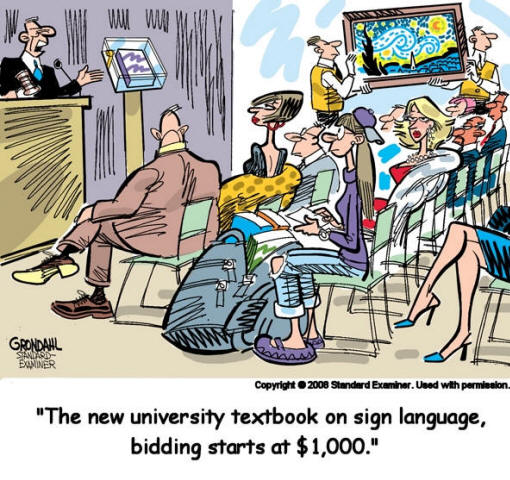 A mother (christy124) writes: